Other Typical & Frequently Seen Health Issues
-
Calcinosis
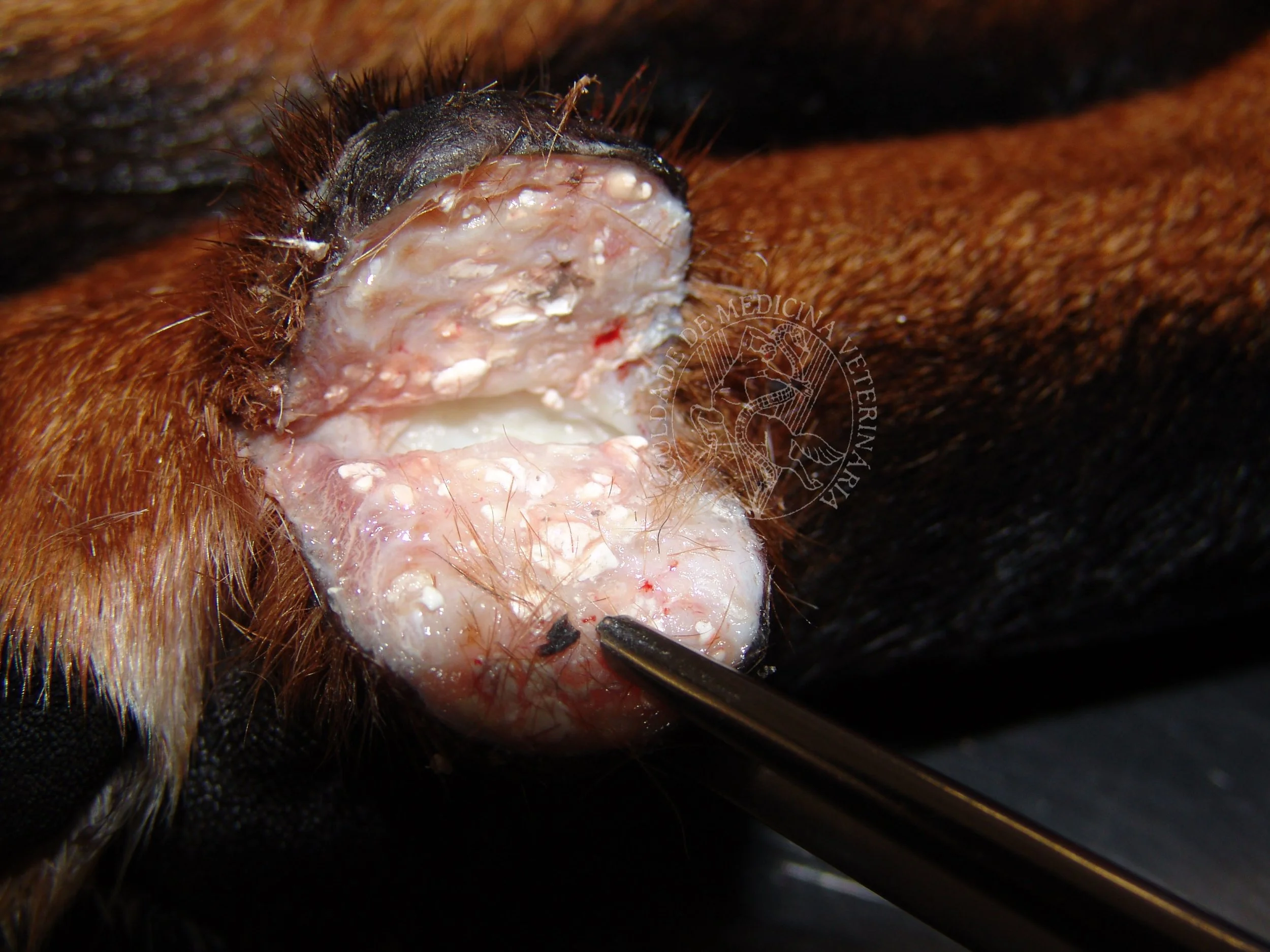
Calcinosis circumscripta is the deposition of calcium at bony prominences or in the footpads and mouth. It is usually a disease of large dog breeds and occurs before two years of age.
I found the simplest explanation is from the VCA website provided above. For even more details and information, please read my DogBlogMusings post titled "Lumps, Bumps, Masses, Tumors, Cysts," where I discuss Calcinosis or calcium deposits. Suffice to say, I have had many Ballyhara Irish Wolfhounds over the many decades present a Calcinosis (calcium deposit) on their rear feet. Even more, once, long ago, Shane (my 12-year-old male) had small calcium deposits under his tongue, but they were small enough that they did not interfere with eating.
Calcium deposits are not worrisome but inconvenient, especially on the feet, as they can grow larger, and when they do, they make contact with the ground, and they will begin to bleed. At this point, they need to be removed and can be done so quickly under anesthesia. After they are removed, the interior of the calcium deposit appears similar to thick cottage cheese. The only issue is the healing of the area due to its location. For additional information on valuable healing tips, tricks & tools, please visit my post on DogBlogMusings, "Dog Foot Pad Injuries."
-
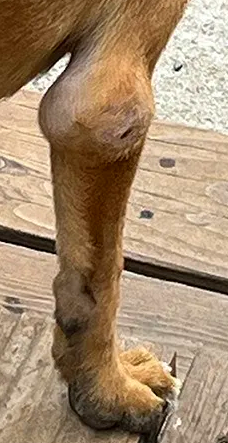
Hygroma
Hygromata, also referred to as a Bursa are common on giant breed dogs such as Irish Wolfhounds and Great Danes. These are fluid-filled sacs that can develop on any bony protuberance of the dog, but most frequently the elbows or seat bones.
They are caused by repeated trauma or impact with the ground as the dog lies down on hard surfaces such as concrete kennel runs, ceramic tiles, or any unforgiving surface. Boom, the elbow hits first, and the giant dog shifts his weight, and the Ischial Tuberosity, or seat bone, located just slightly under the tail (which we refer to as the shelf), hits the floor too. The body's defenses are to rush fluid to the injured area as an inflammatory response and to protect the joint. These hygromas begin small, similar to a golf ball, and if there is repeated trauma on the area, the sac will grow larger and larger to the size of an orange.
Normally, almost all hygromas do not require medical intervention. Only when they become inflamed (hot to the touch) and infected should they be treated and then very quickly.
I have had several Wolfhounds over the years acquire a hygroma, with one that grew to the size of an orange. However, none of these developed into a hot bursa. I do NOT recommend that veterinarians perform aggressive treatment for any non-infected hygroma by draining and inserting a Penrose drain into it for removal. A hygroma will disappear on its own over time, but it can and will take many months, sometimes 6 months or more, before it subsides as the body reabsorbs the fluid and the skin shrinks.
Prevention
Try to teach your giant breed to lie down in the same area in which a very thick dog bed is placed. All our dogs become habitual as they mature, and I have always found that they are open to learning and direction as to where their ‘quiet’ or nest area is located. Provide the hound with a comfortable, thick bedding that does not collapse or the filling shifts when he lies down on it. Over my 40-plus years, I have used a great many beds from various manufacturers and have been disappointed with quite a few.
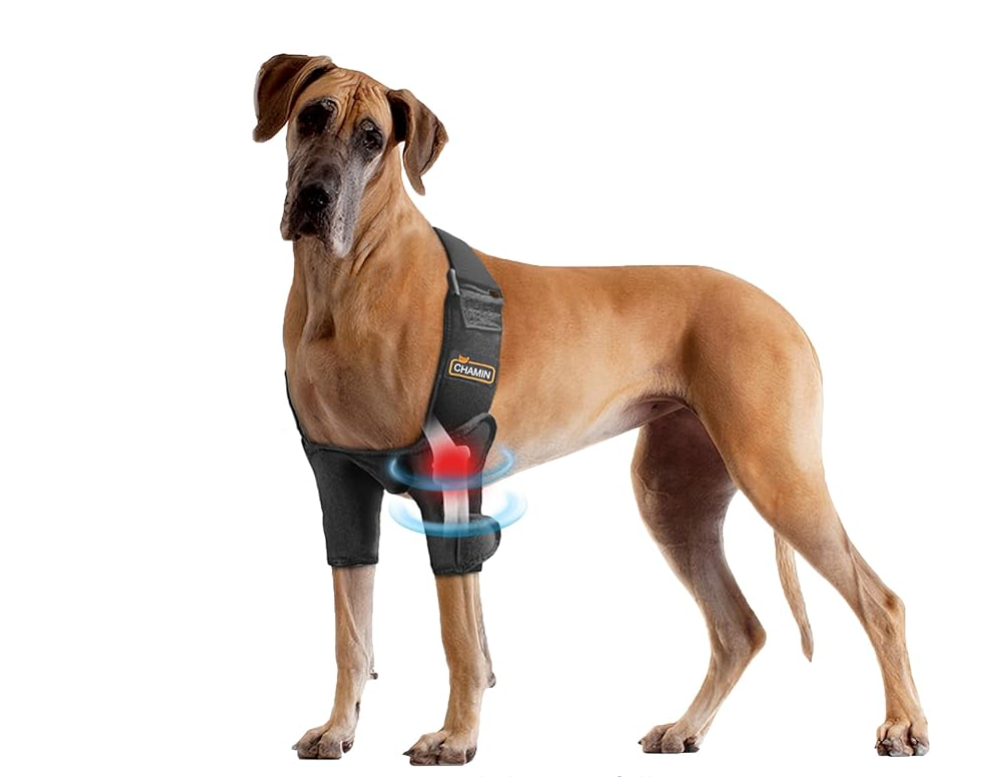
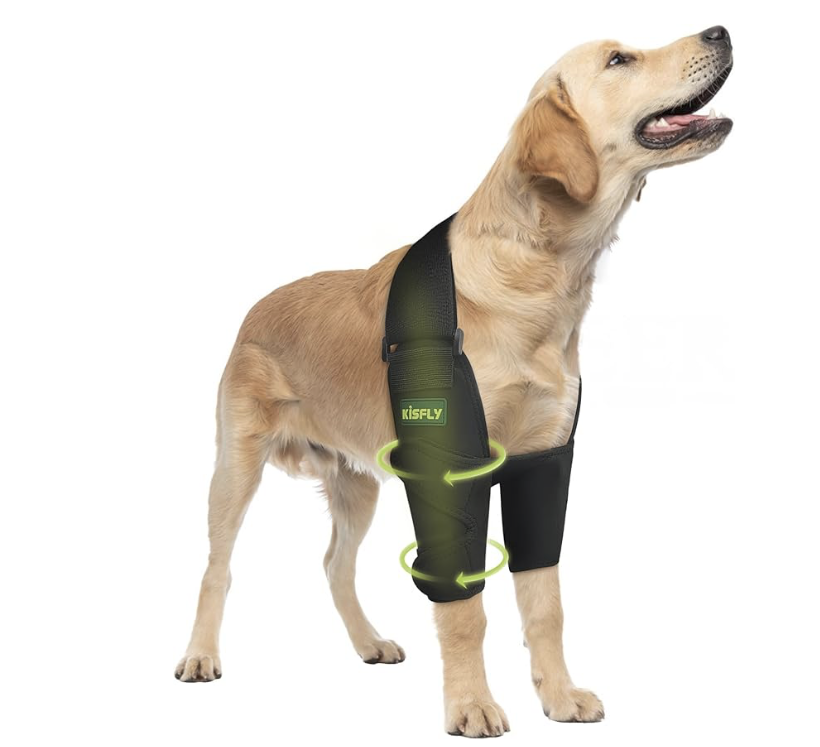
We are very fortunate that today there are numerous solutions to aid dogs afflicted with hygromas. Here are two options.
Both are especially helpful for recovery after a surgery; however, as I previously stated, I do NOT recommend any medical intervention for hygromas UNLESS they are infected.
-
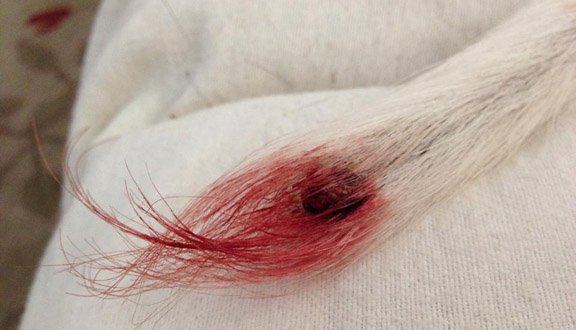
Split or Happy Tails
A common problem in the wolfhound breed is tail damage. Typically, tail damage occurs when the hound swings the appendage too hard, severely bruising and even splitting the tail open. For those experienced with wolfhound "split tails," it often can be a nightmare. It looks like a murderous crime scene as the blood is flung near and far over furniture, ceiling, walls, drapery, and the like. The excited hound gets even more excited as one or more owners are trying to grab the tail and the hound at the same time to place bandaging on it to stop the bloodletting!
New owners are shocked but stay calm, as there are some solutions, but they are going to require effort and diligence. First, a bleeding tail is a challenging area to keep bandaged and especially hard to heal thoroughly so that the affected portion does not open up again in another future incident, which, by the way, I guarantee will happen again if not completely healed the first time. Unfortunately, as is often the case, split tail injuries on a happy, excited wolfhound do not always heal without another incident taking place. If you have bred Irish Wolfhounds long enough, then you have or had, at least once, a wolfhound with a split tail.
Again, you must understand and be prepared for the fact that a lower tail injury is a hard place to heal, and, therefore, the area will remain susceptible to further insult and injury. Scar tissue must develop over the injured area before you can ever claim victory. It can take as long as two to three weeks for the damaged tail to heal ONLY if properly cared for, and only if it does NOT receive further and ongoing damage. If the location is repeatedly damaged, then the last resort is to amputate the portion of the affected tail.
What To Do:
To begin, DO NOT wait to treat the wound, as this will be your biggest mistake. Skin infections and self-mutilation will usually occur because more often than not, the dog will begin to lick and chew on it, as it can be painful or itchy. This will lead to infection.
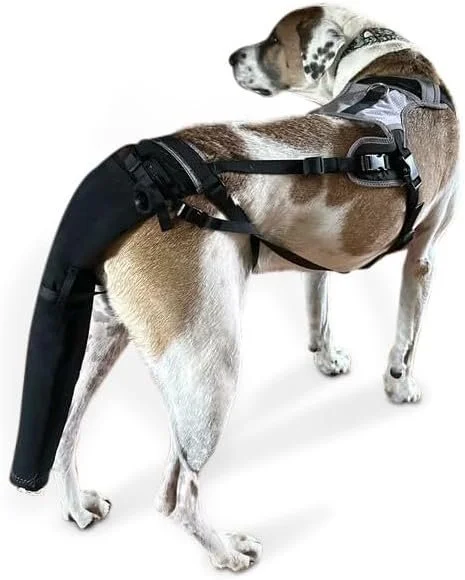
A novel approach to resolving split tails is the K9 TailSaver. Check it out; this device will be my go-to in the future.