
Irish Wolfhound Breed Character
The Irish Wolfhound is a Hunting Sighthound
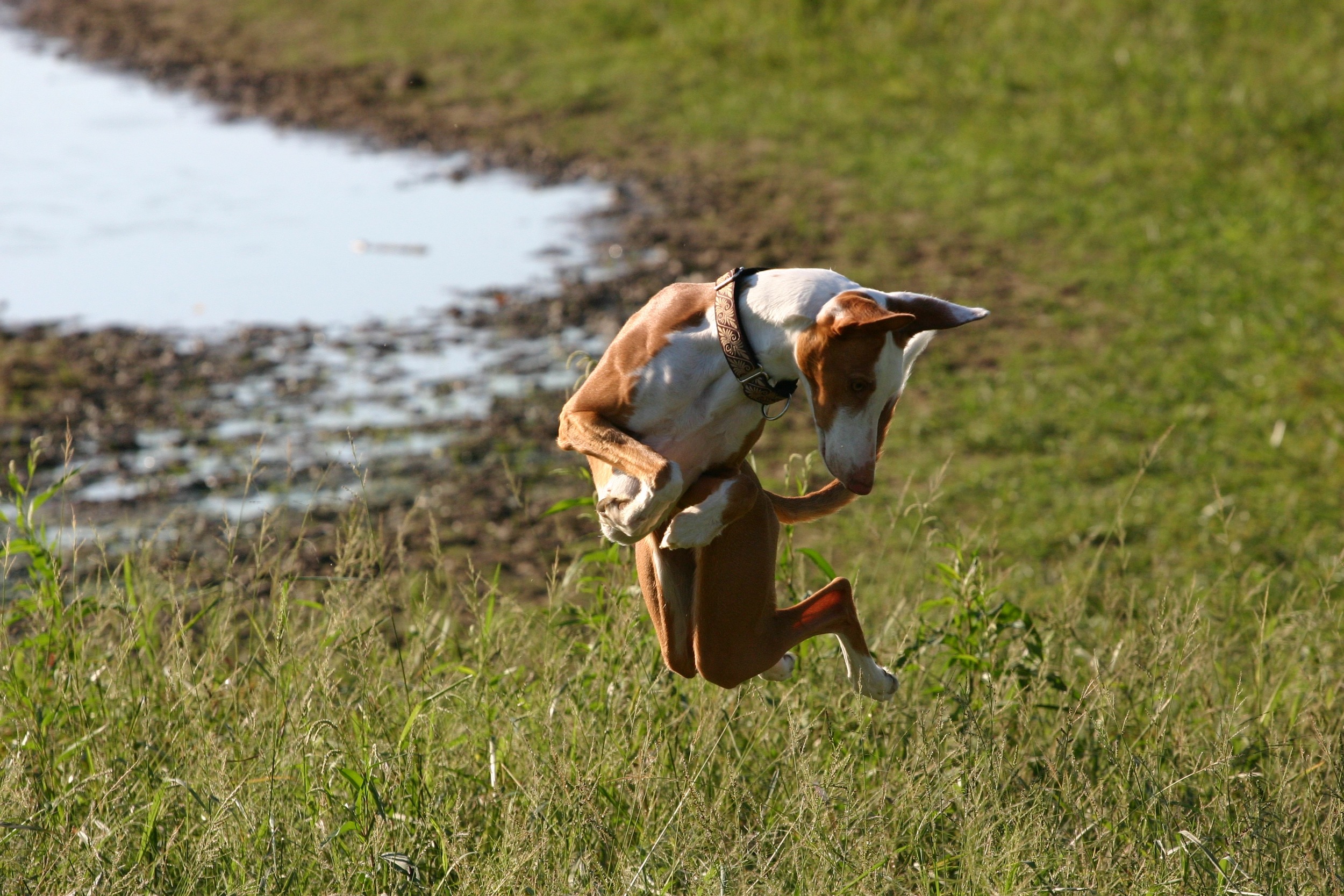
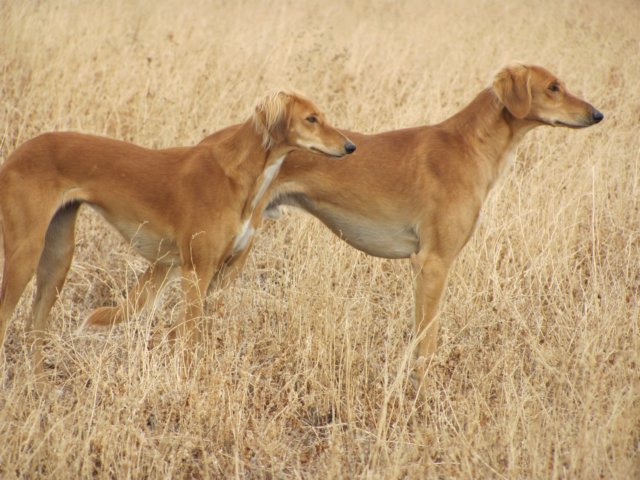
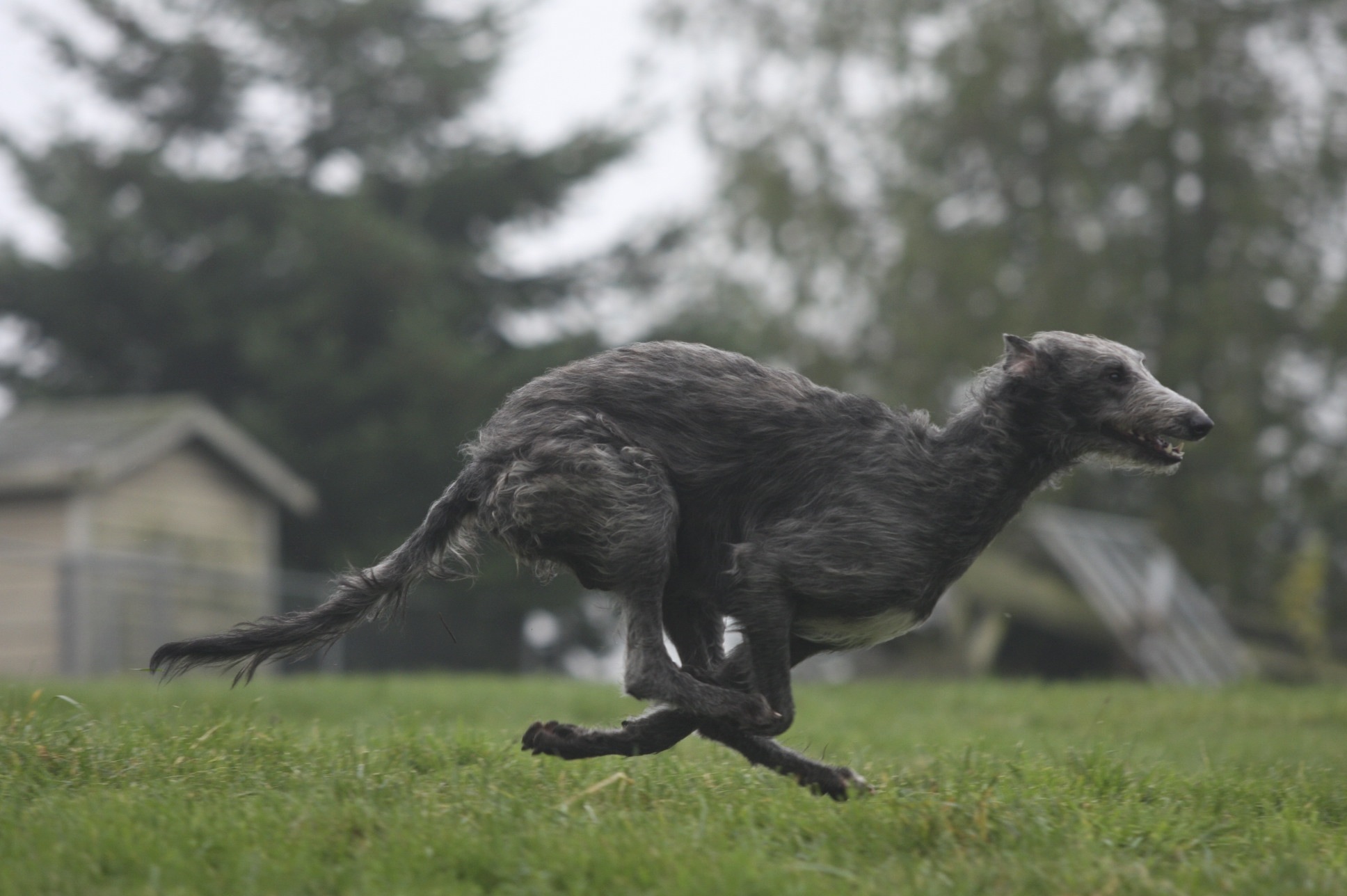
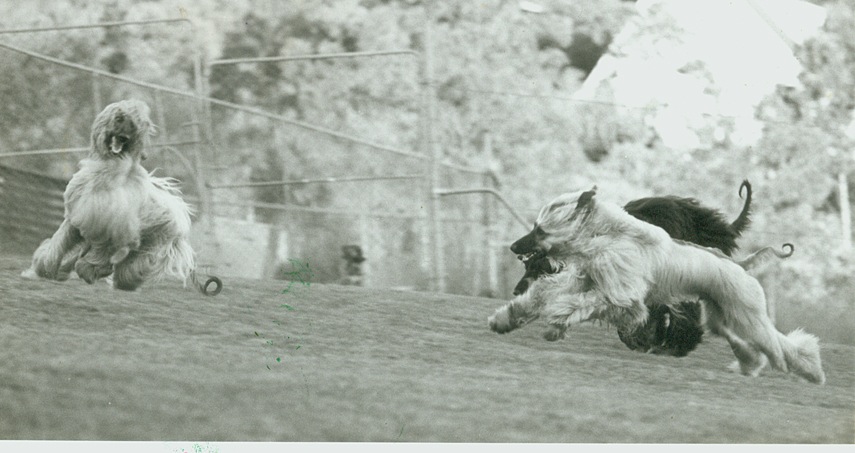
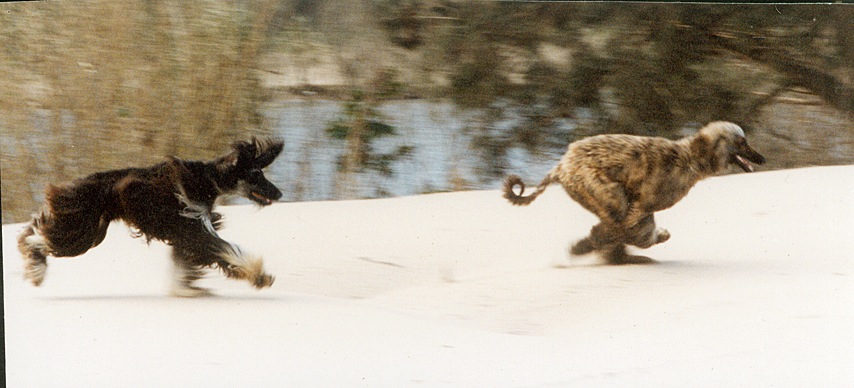
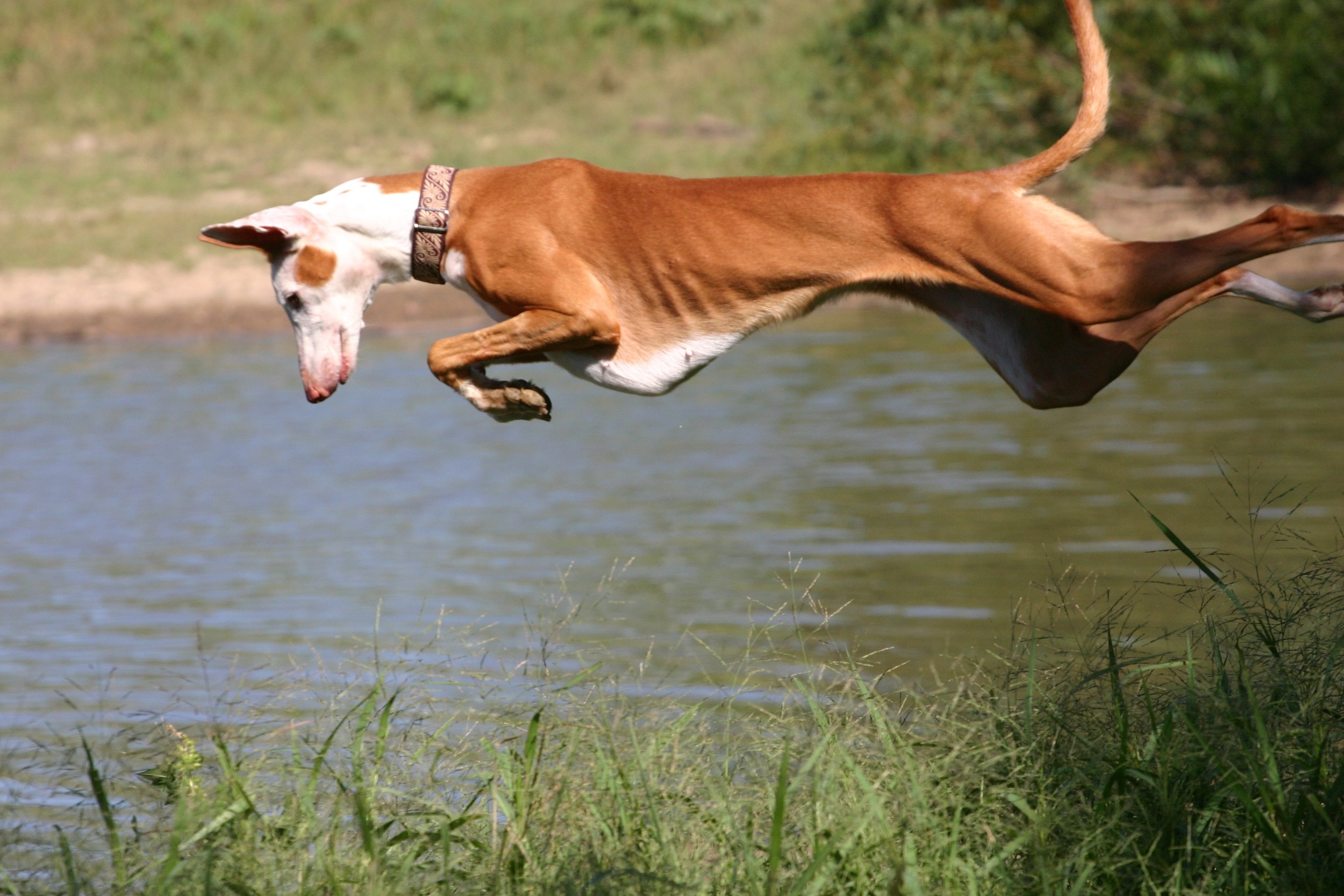
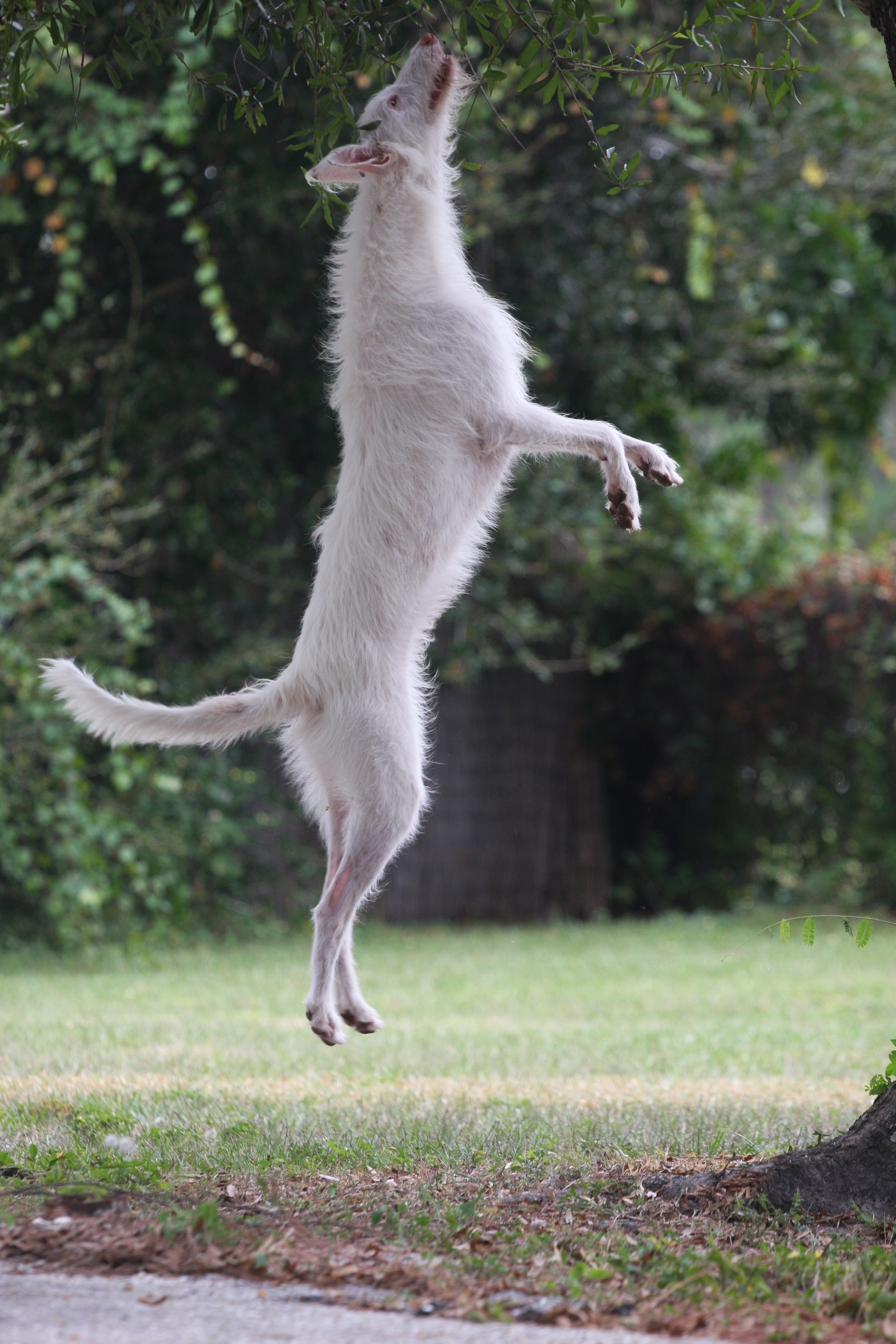
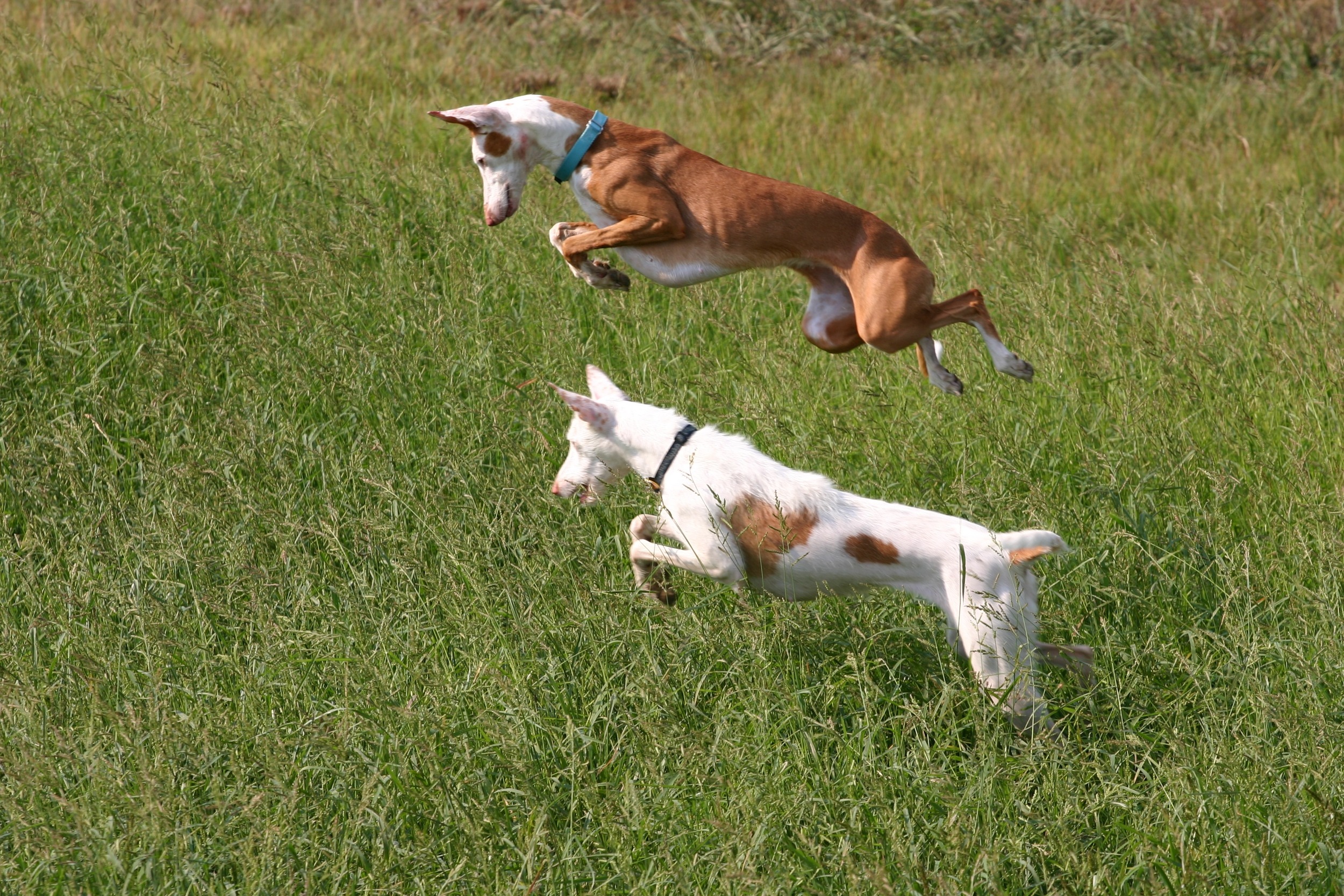
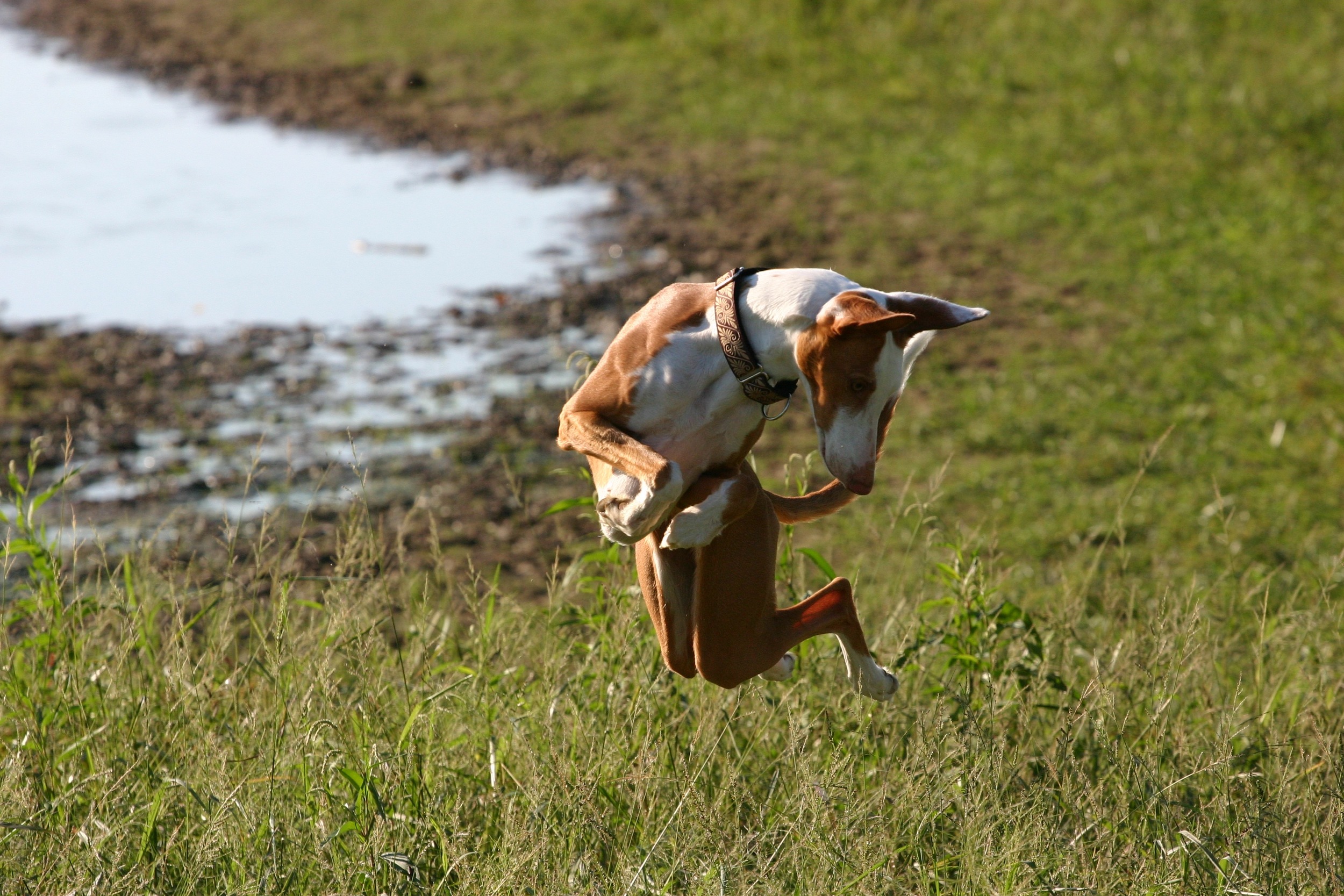
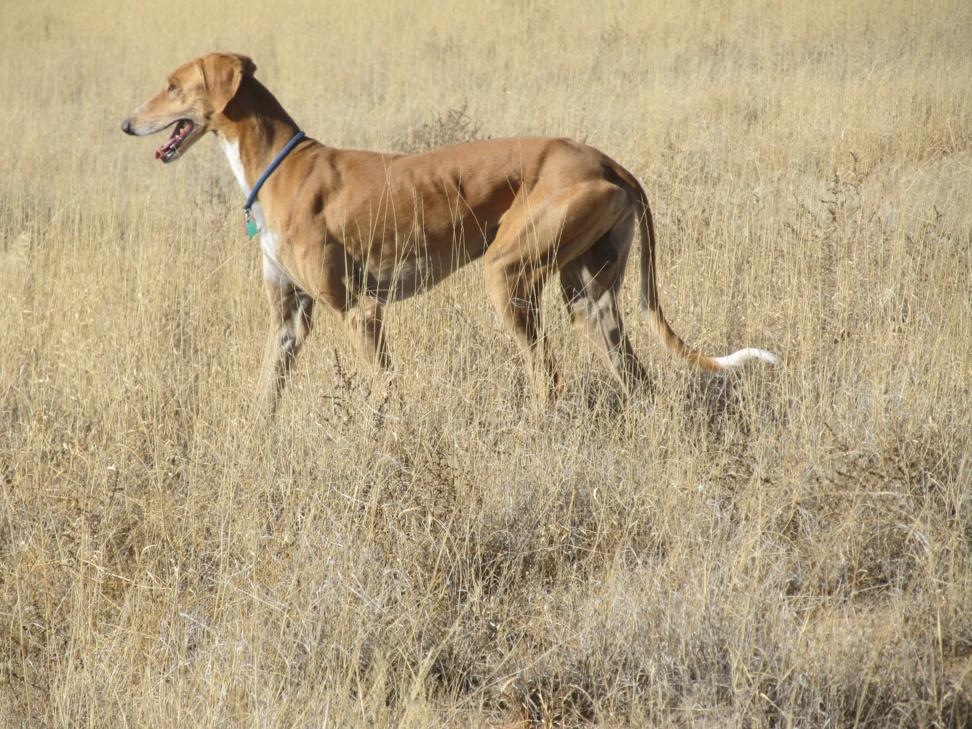
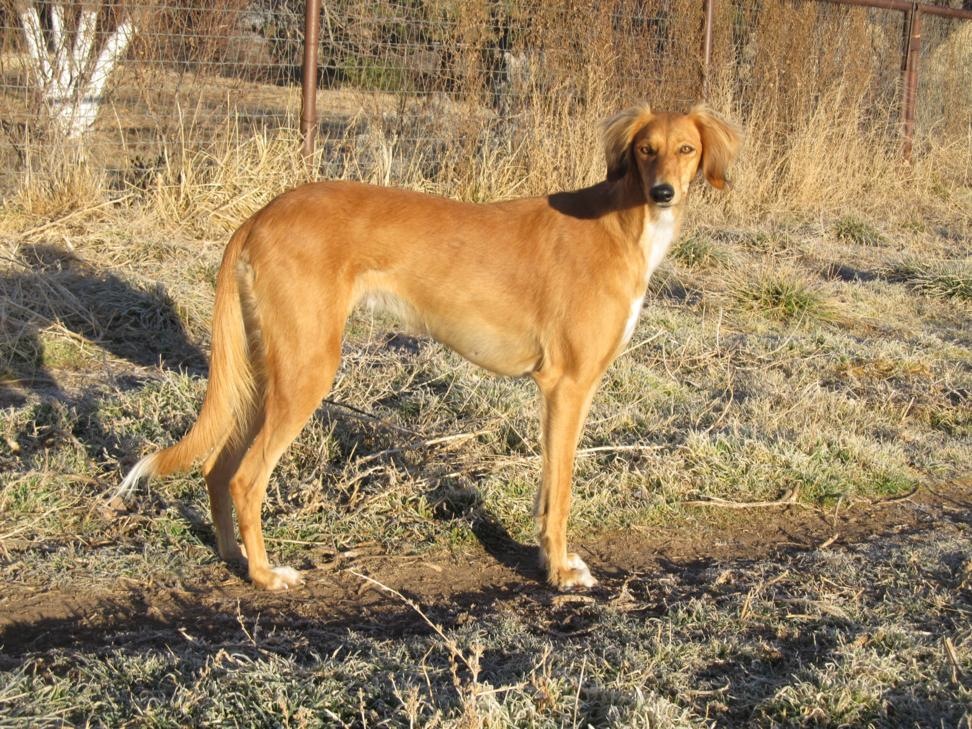
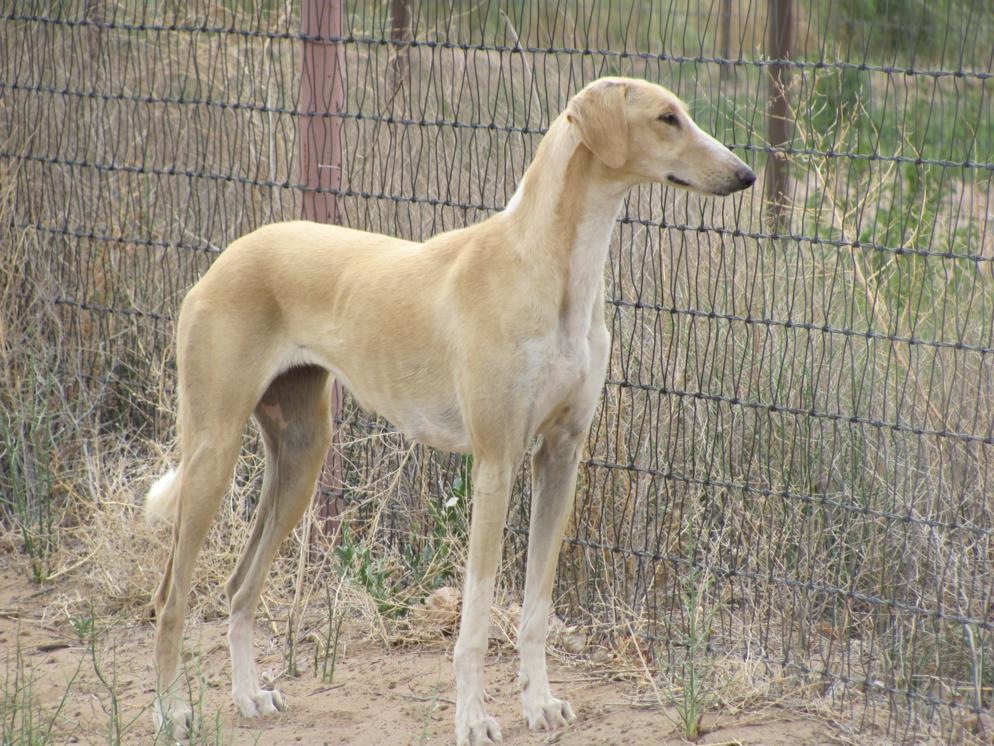
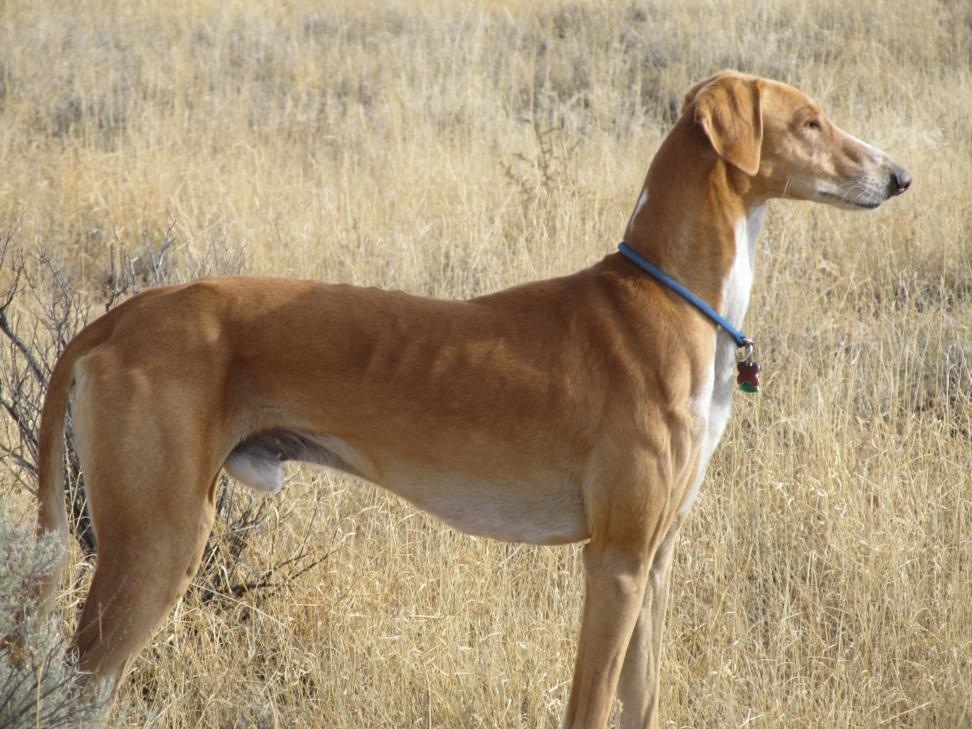
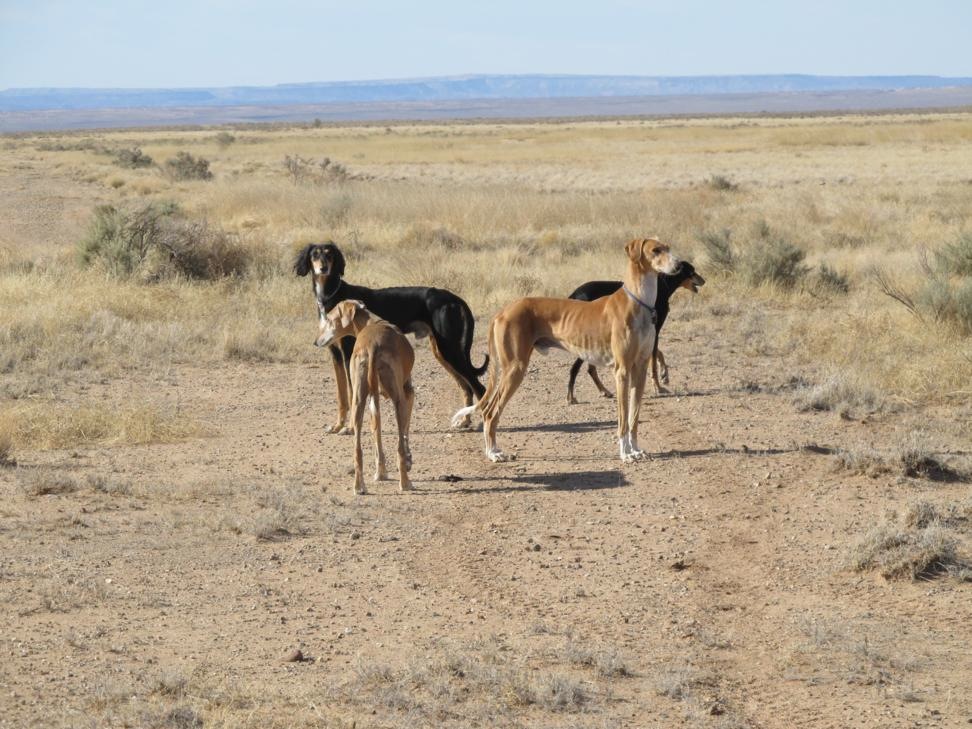
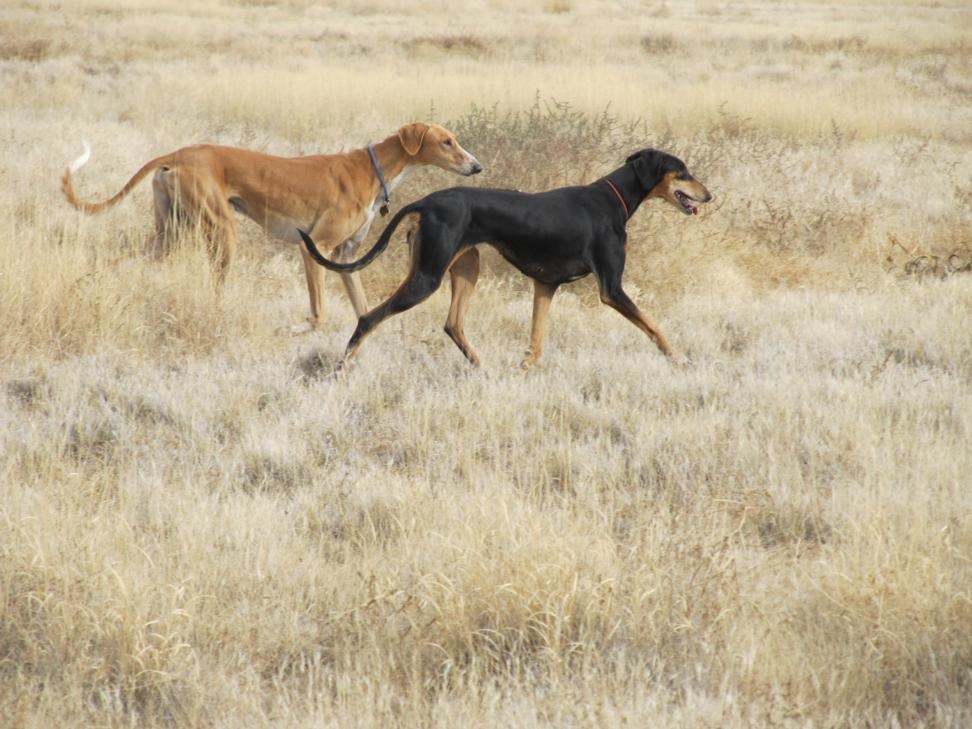
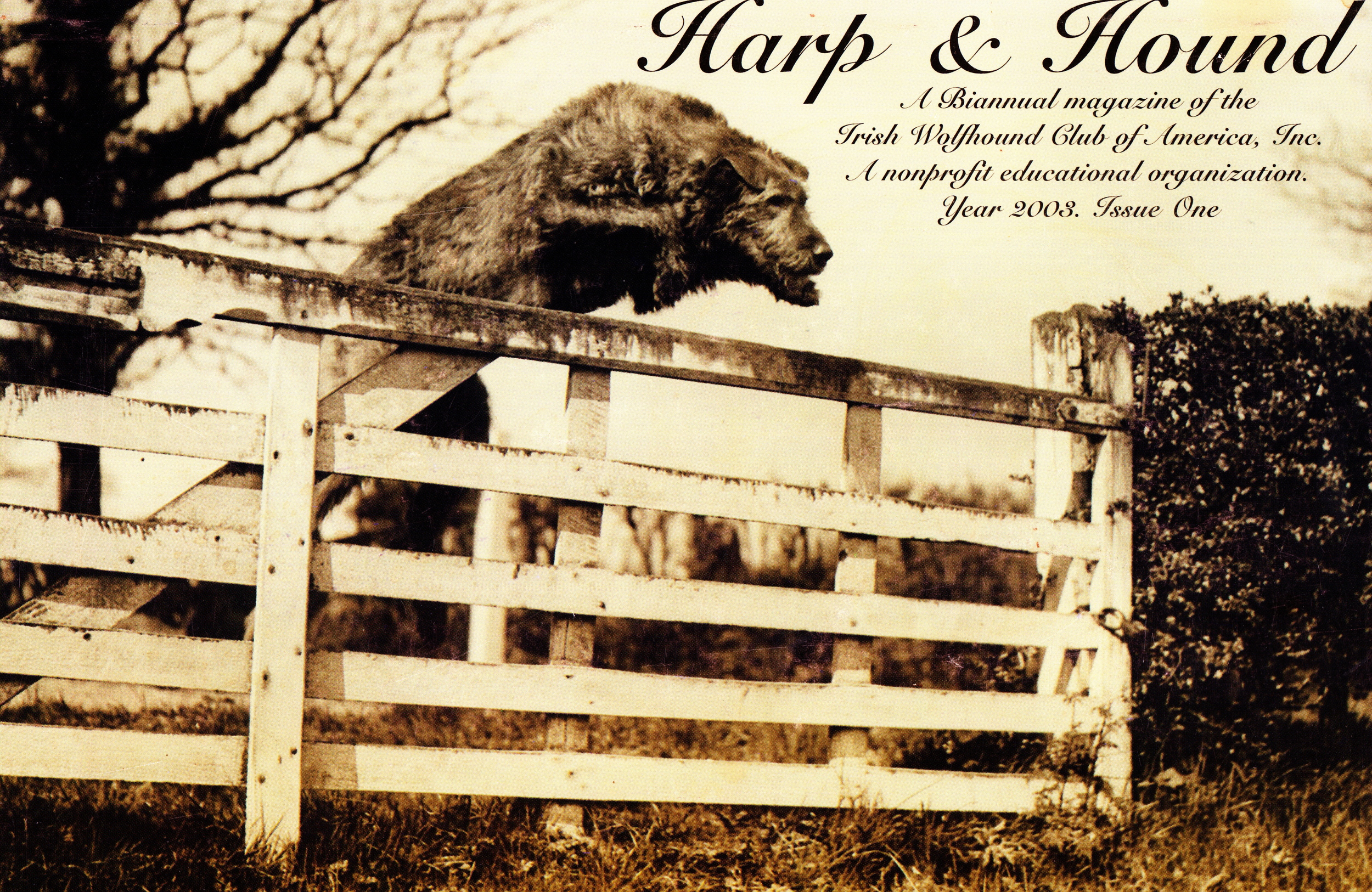
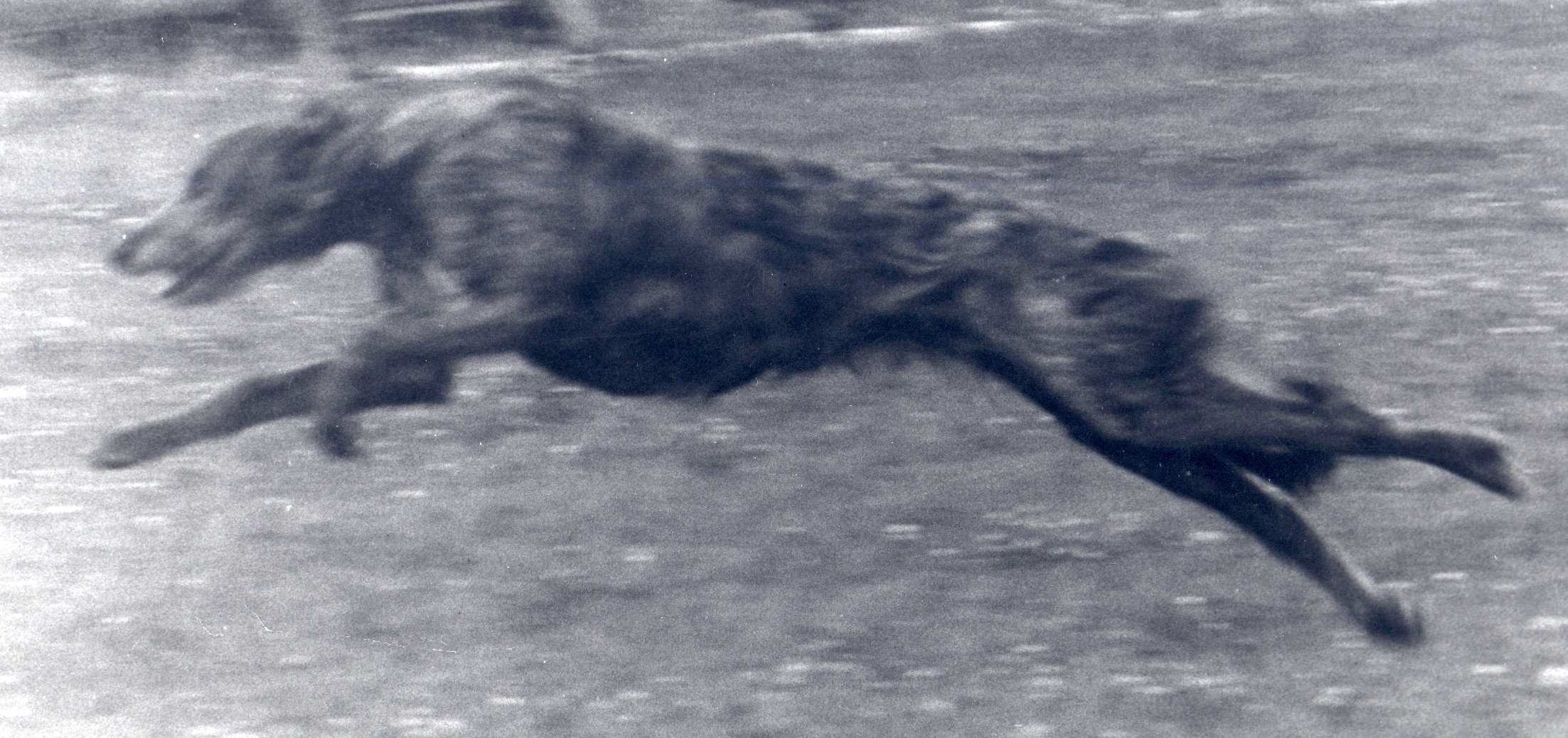
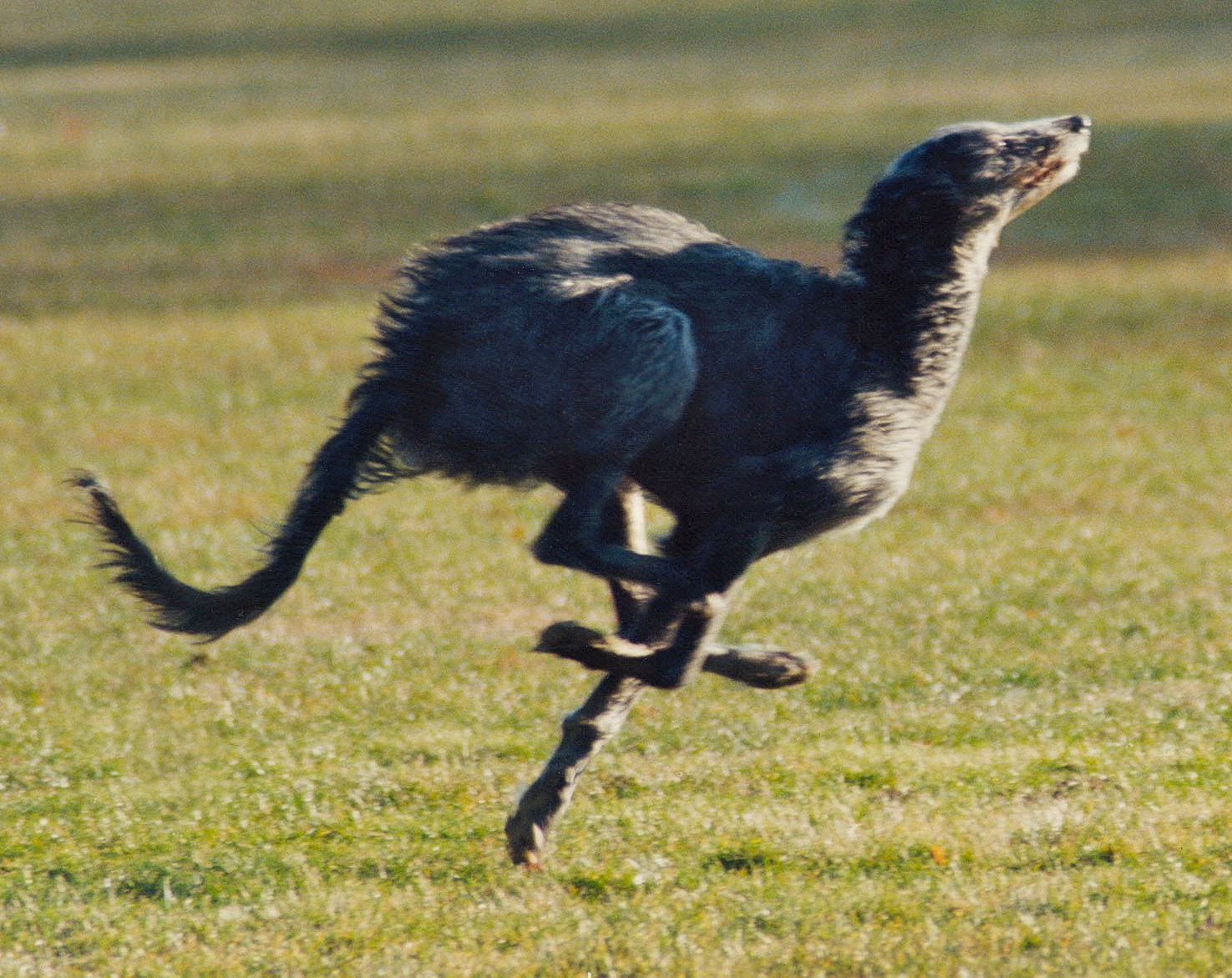
First and foremost, though frequently referred to as a ‘gentle giant,’ the wolfhound is a Gazehound, a Sighthound, a HUNTER. This is an ancient breed whose origins are truly lost in antiquity and whose function was to hunt by sight; therefore, they are called Sighthounds. More importantly, he belongs to an exclusive genre of sighthounds we refer to as ‘greyhound-like.’ This genre consists of Irish Wolfhounds, Greyhounds, Scottish Deerhounds, Borzoi, and Whippets, and all are considered galloping hunting hounds.
All Gazehounds or Sighthounds are hunters, plain and simple. Let no one dissuade you from this fact.
Simultaneously, their personalities are described as stoic, sensitive, even-tempered, soft, laid-back, dignified, forgiving, courageous, humble, and fierce.
The Cu’s Origin
The Irish Wolfhound’s Breed Character or Personality Traits
The typical Irish Wolfhound has strong prey drive, which has been ‘hard-wired’ into their disposition for millennia.
-
Fundamentally, the essence of an instinct is any performed behavior that is not based on prior learning. Hard-wired prey drive is an inborn complex behavior, and most sighthound breeds, many with origins dating back one or more millennia, once specialized in independent hunting and dispatching of Game. Indeed, this inherent ability is still strong today.
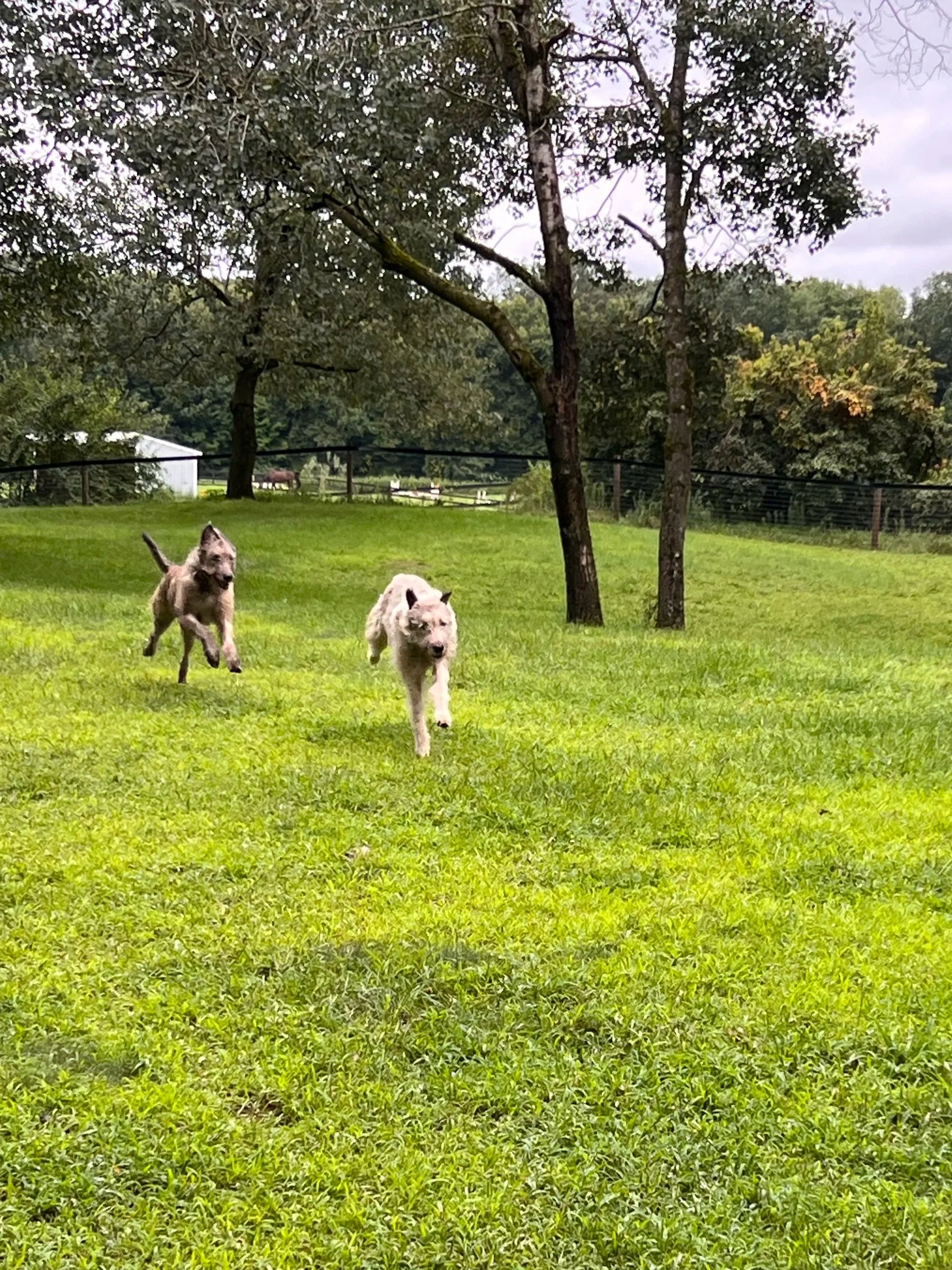
A new owner must accept this inherent trait as it is a component of the Wolfhound's noble heritage, and it must be respected at all times. As a hunter, they will give chase to deer and other game such as groundhogs, squirrels, hares, rabbits, and more. Some may be okay with cats, and others may not. Regardless of their upbringing, a wolfhound’s instincts may surprise you one day. Despite their supposed disinterest or trustworthiness over the years towards other small creatures or large game, any such surprise may have very unpleasant consequences. The responsibility lies solely with the owner, and not the hound.
Despite the tendency to anthropomorphize (the attribution of human behavior to an animal) the wolfhound is a domesticated animal whose function was to hunt game, large and small. Strong prey drive necessitates potential owners to understand that a wolfhound is not a couch potato or a meek, toothless giant.
Many refer to them as “Wolfies,” however, this is a disrespectful and derogatory term. Most Irish Wolfhounds will demonstrate at one time or another a keenness to dispatch prey or at least, to gallop and give chase. The wolfhound's instinct to give chase will depend on the individual. Some have a more developed prey drive, and others appear completely disinterested. It bears repeating that on occasions, such an appearance is deceptive, as many wolfhounds give the impression they are incurious about a situation or interaction.
If you are not a dog authority whose expertise is reading dog posture or body language, then suffice it to say, you, like many other fanciers over the years, may learn the hard way that this is not the case.
-
Please take this opportunity to read two of my Dog Blog Posts titled "Sighthound Necessities" and "Truth or Consequences," as the former discusses the legitimate needs of a giant sighthound and the latter, a valid, very real scenario that a novice or inexperienced Irish Wolfhound owner may encounter.
-
Many uneducated, unforthcoming, or ignorant breeders do not enlighten potential puppy owners about the IW hunting character. Moreover, there are even fanciers who have posted one or more photos of their wolfhound curled up with a Fawn or a Doe as evidence of their wolfhound’s gentle nature towards all living creatures. Sadly, some use these opportunities to market their wolfhound puppies to all environments and habitats, including apartment dwelling and city living.
Reputable, dedicated breeders must address these countless misconceptions that are regularly disseminated by casual fanciers about the Irish Wolfhound breed.
Such a lofty responsibility falls upon us to protect, as best as we can, the health and happiness. and fortune of the breed. We educate potential homes about the very real realities of living with such a noble, giant hound.
Very Important IW Personality Traits
This sighthound requires people to make MANY lifestyle changes, or you will spend a lifetime and a fortune in the veterinarian's office.
-
Irish Wolfhounds love to dig. They love to dig huge, massive holes in your yard, so if you have landscaping, bushes, or gardens, then this is not a breed for you. It would be as ridiculous as a showcase home with white carpeting, white furniture, and expecting to have an Irish Wolfhound living within it. I'll never forget a fellow breeder who told us a story about one of his wolfhounds, who, while in the yard, dug a hole so deep that all he saw was her tail sticking up out of the hole!
Be prepared that Irish Wolfhounds love to howl and vocalize loudly. They will bark at strangers, but most certainly are not guard dogs. However, this breed likes to howl, similar to a wolf, for many reasons. If you have taken the time to visit a kennel or attend an Irish Wolfhound Specialty Show, you must have heard a wolfhound chorus. So, if you are sensitive to the occasional clamor and do not want a breed that makes noise, then you should reconsider getting this breed.
Destructive. There are very few, if any, more destructive breeds of dogs than an Irish Wolfhound. A bored IW puppy or yearling Wolfhound can and will chew through just about anything from metal, exterior home siding (vinyl, cement, or fiber board or otherwise), sheetrock walls, hardwood flooring, rubber floors, bedding, fleece pads, furniture, curtains, bushes and small trees, even fencing, and on and on. Nothing can withstand the IW’s destructive powers. Even two and three-year-old IWs have ripped window trim off the interior walls and interior baseboard siding inside our home.
I had two females over the years who had an obsession with the other IW’s collars. These girls pull the collars off their fellow victims head, then chew them up and even swallow portions of these collars! One year, I went through 15 replacement collars for my hounds!
IWs typically adore children and are marvelous house dogs. However, any toys, small objects, underwear, socks, slippers, or shoes are fair game for them. They are like a two-year-old toddler who you have to watch every minute, as anything they find goes into their mouth.
Decor. Their powerful tails can and will sweep off picture frames, coasters, books, and decorative items from low-lying tables.
‘Counter surfers.’ Their height permits perfect access to kitchen counter tops and the feasts that lie all within easy reach. Their chins are at the perfect height for resting on the counter. Beware the surf and swipe, particularly roast beef, chickens, or even pies! Cooked bones are deadly to any dog. description
-
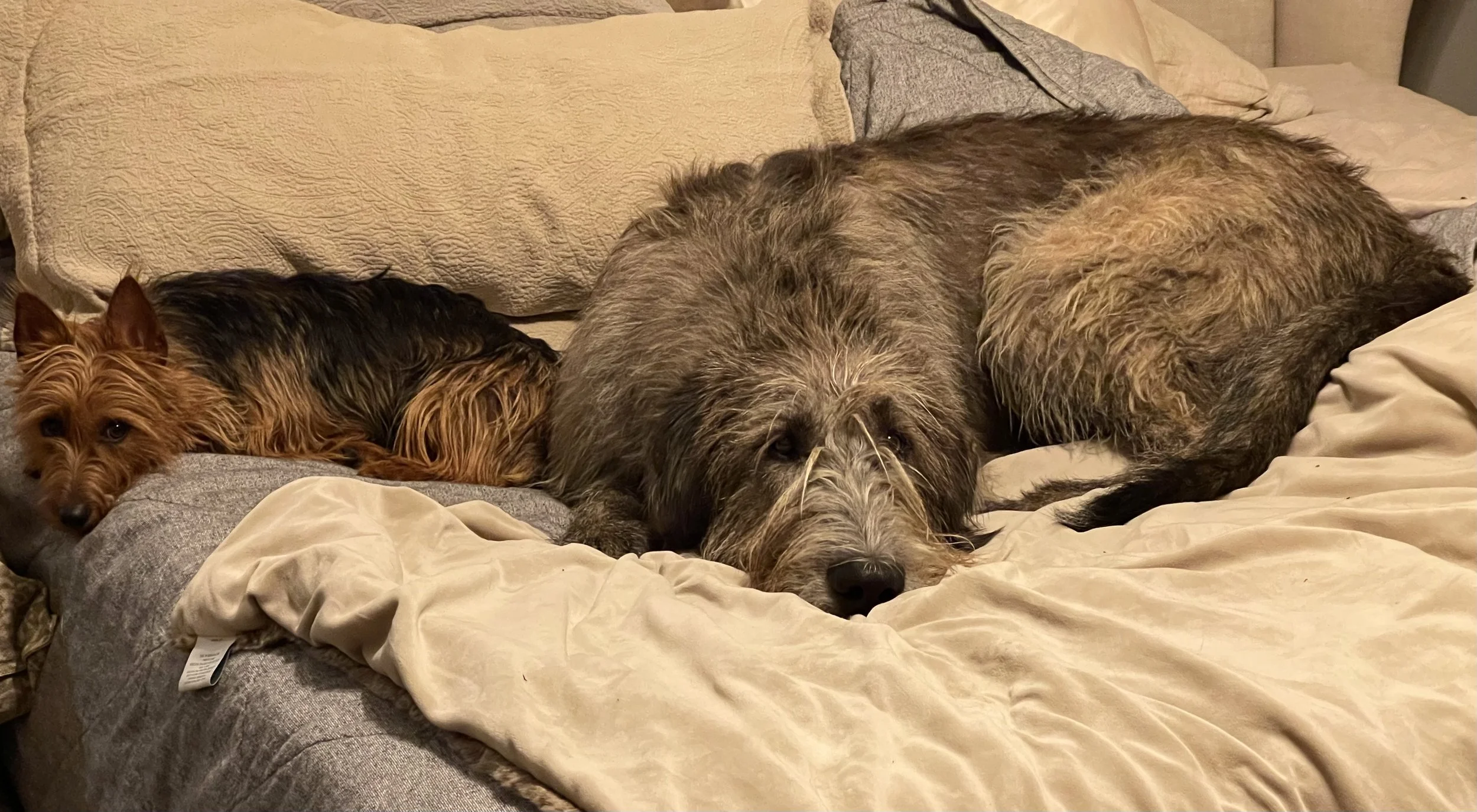
The gentle Irish Wolfhound loves people but can accidentally hurt small, unsteady, or elderly persons.
IWs wheel around and knock hard or ‘hip-check’ people, which can make someone lose balance and fall. We all walk around on a daily basis with bruises, scrapes, or sores!
Irish Wolfhounds are 'leaners' -- they love to lean on and push you with their weight while you pet or stroke them. You say that cannot happen to you? Nonsense. One of my previous dog caretakers, who was physically fit and had raised livestock, particularly heifers, was knocked to the floor by one of my wolfhounds. The hound was leaning on her while she petted him, and he quickly whirled around, accidentally knocking her legs right out from under her. So, keep this in mind if you have children who can and will go flying if your Wolfhound whirls around.
Falls happen frequently, and they can hurt. I do not know one Wolfhound breeder who, at one time or another, has not been accidentally injured by their Wolfhound. For example, one of my young females accidentally hit me in the face with her paw, nearly dislocating my jaw. From time immemorial, Wolfhound owners have been prepared for one type of injury or another.
-
Injuries can be especially concerning when involving an older person. I had a yearling wolfhound placed with a trim 67-year-old woman who was experienced with horses. She was walking the young IW male on a lead out to a paddock when he got excited and decided to run. She was unprepared for the dash, and he took her off her feet, dragging her some way.
Her injuries included a broken collarbone and three ribs that took many months of recovery, only to discover several months after that she had undetected internal bleeding requiring her to have transfusions.
Thankfully, she had a housekeeper to help her care for her two Wolfhounds while she recuperated. If you are an older person or someone who is not adept or physically capable of handling a giant hound weighing 145-180 pounds, you must ask yourself if this is a wise decision.
-
I love this revealing and amusing excerpt from an interview in Sports Illustrated magazine in the February 14, 1966 issue titled, "THE BIGGEST DOG OF ALL WAS FINN MacCOOL'S AUNT” with Tom Wanamaker, IW Breeder.
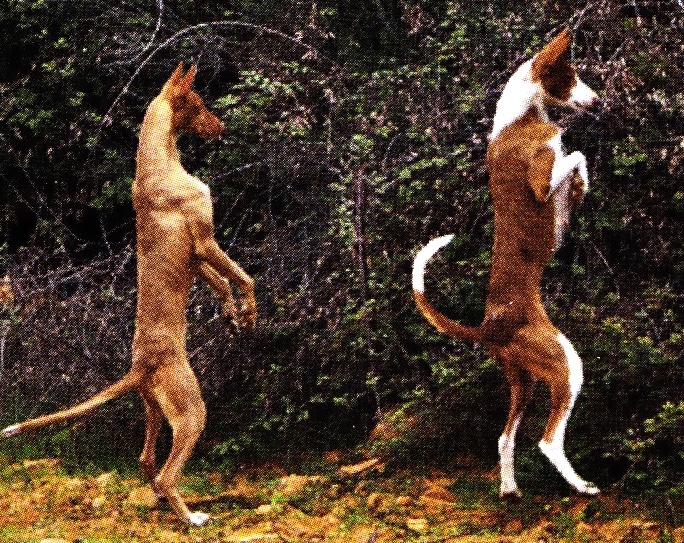
"A fully grown male stands three feet high at the shoulders on all fours, and when he rears up on his hind legs, he reaches 6 feet 6. A wolfhound puppy grows faster than a lion, and fond owners must get used to some pretty hefty roughhousing.
Wolfhounds, young or old, are frolicsome creatures, and in a gay mood, they can flatten an owner with one joyous bound. Department store heir Tom Wanamaker, who raises Wolfhounds in Ridgefield, Conn., has been pushed to the floor on any number of occasions and once even required medical treatment. "Yes," says Wanamaker, "I've been knocked down, but always with love, always with love."
Wolfhound owners are used to having their eyes blackened and their lamps, vases, and objets d'art demolished by wagging tails. In wolfhound homes, it is not uncommon to see a dog that has been lying under a table carry the table away on its back when it rises to leave the room."
Ideal Homelife
-
If you have a very busy household with kids and lots of hustle and bustle, a wolfhound is not a practical option. Though they adore children, their size, as well as their sensitive personality and necessary maintenance, preclude them as ideal candidates.
We regularly advise our new owners to minimize the amount of stress a wolfhound is exposed to and always caution against feeding a wolfhound while he is overly excited. This may prove to be too tall an order in a lively, hubbub environment (Please review nutrition and also the health issues section.)
-
Yes, we all have to work, but this is why the IW is NOT an ideal breed for every household. For those who are employed and or are out of the home for extended periods or work long hours, the Irish Wolfhound is NOT the breed for you.
The Irish Wolfhound is not a breed that can sit alone for 10 hours without interaction with their human companions. As puppies, up until approximately six months of age, they require multiple (4) meals throughout the day. Additionally, crating a wolfhound for such extended periods is tortuous easily likened to being a prisoner in jail with short breaks outside a cell, except that a wolfhound has not done any wrongdoing nor deserves such treatment. They are a breed that requires human interaction and bonding.
Indeed, the relationships between the hounds and their owners are close, very close. They keep a close eye on their Masters, such as when an owner goes to the bathroom, the hound gets up and goes with them. Mostly, when you get up, they get up, even if it is only going into the kitchen. They simply LOVE people and must be with them as often as possible.
-
Puppy daycare works for many breeds, but not for Irish Wolfhounds. Wolfhound puppies are easily injured while roughhousing with other dogs. Injuries before their growth plates close can be severe and often need expensive orthopedic surgery by a board-certified specialist. So too, over-exercising an IW puppy can be Hazardous. This is NOT a breed for road working or marathon jogging.
Many Veteran wolfhound breeders forbid group play for pups. Surgery isn’t always successful, and a badly injured pup may be permanently disabled and need long-term medication. As well, most often they, as they age, become very arthritic in the areas that were surgically repaired.
Here are several more interesting suggestions for the average person researching the ideal breed for their lifestyle. AKC provides the following:
Best Family Dogs. This page discusses some excellent breed suggestions for families. Dogs you can bring with you just about anywhere!
Best Dog Breeds for Apartment Dwellers. This page has obvious recommendations for smaller dogs, but several you may not have thought of before.
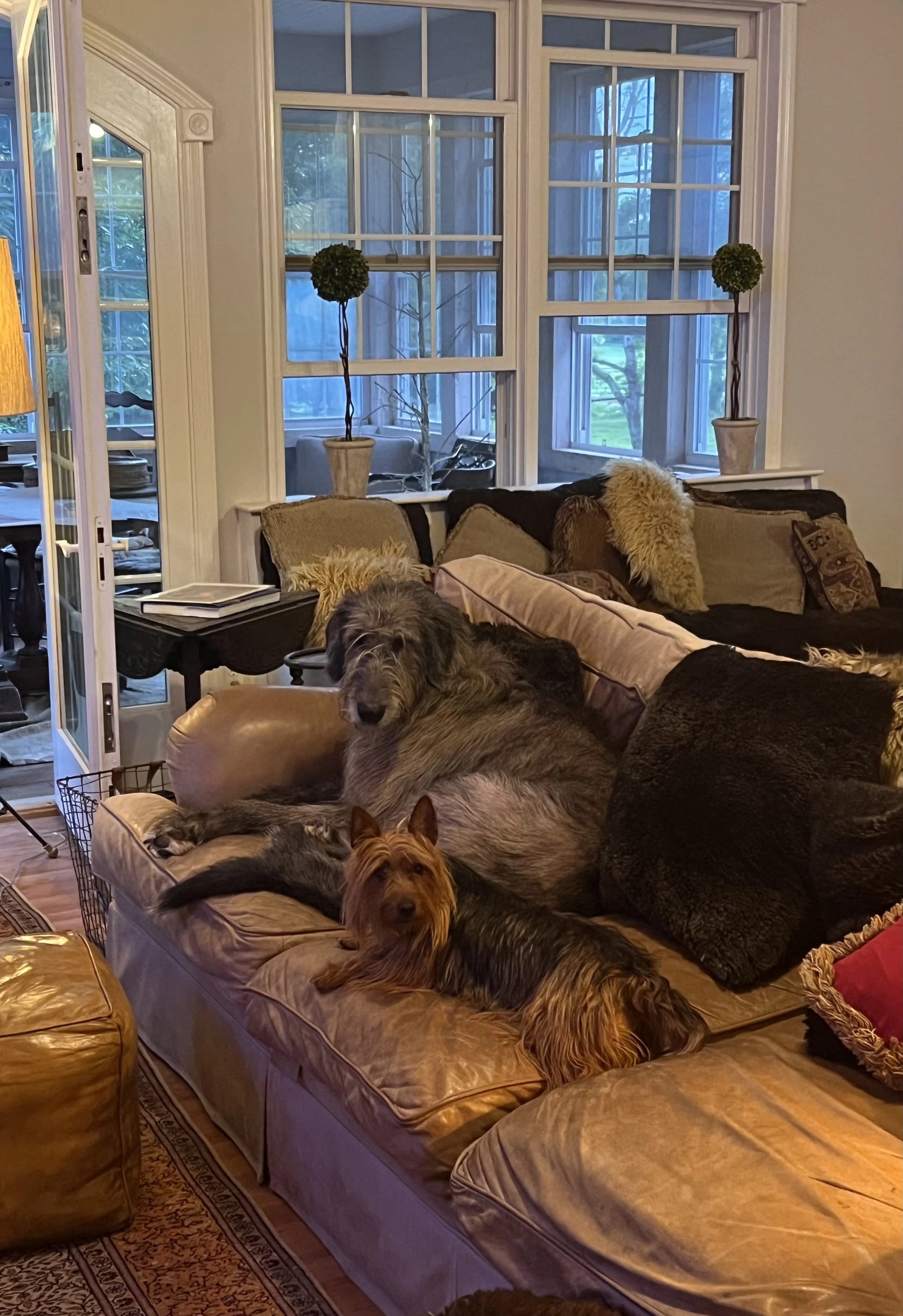
Best Dogs For Kids. Several obvious breeds appear here that are "no-brainers"; however, a few of these are extremely popular and widely bred. As such, great care should be taken when researching a breeder for quality temperament and health. Bear in mind, though almost all Irish Wolfhounds love children, their size can be off-putting for some Moms. Think of it as a colt with your baby! An Irish Wolfhound will not intentionally harm the baby or toddler, but may accidentally step on its young charge or even, when older, play more roughly than smaller breeds.
Best Guard Dogs. Irish Wolfhounds are NOT Guard Dogs. They will alert you to the presence of a stranger, but their temperaments fashioned over millennia are for hunting game, not people. They are never intended, nor would it be safe for any protection training. They are far too kind, caring, and devoted to humans.
Hypoallergenic Dogs. Well, straight up, there is NO SUCH THING as a 100% hypoallergenic dog, no matter what the designer commercial dog breeders inform you. Period: no ifs, and's, or but's. Keep in mind, many of these people make a great deal of money putting together two breeds and calling them Labradoodles, etcetera. Most will tell you anything you want to hear. Be educated -- several breeds produce less dander than others. Therefore, they produce fewer allergens that make a sensitive person sneeze.
Any questions, feel free to contact me. Simply, click on the envelope icon below in the footer of this page to send me an email. I am usually very prompt in replying.