
DOG BLOG
Musings
Wasp or Hornet Sting! OMG!
Before and after photos of one of my pups who was stung by a wasp or hornet in October. “Emissary” reacted immediately, and I called the Emergency Line at my vet's office. While some might panic, I stayed calm and treated him right away with the dosages my vet advised after seeing the live photos.
Always remember: when dosing with Benedryl, read the box ingredients carefully to avoid the dangerous and potentially fatal artificial sweetener Xylitol.
This naturally produced sweetener, also commonly called “birch sugar,” is found in many “sugar-free” products, such as ice cream, candies, pastries, gum, yogurt, juices, and much more. Xylitol may also be known as wood sugar, birch sugar, or birch bark extract. In dogs, it’s highly toxic and potentially fatal if consumed. Even in small doses, it can cause seizures, liver failure, and death.
“Emissary,” who was 6 months old, received a dosage for a child 12 years and older. After two hours, his eyes began to open more, and we felt a huge sense of relief. Because his reaction was so swift, we were anxious he might experience throat swelling, vomiting, shock, or worse.
Other artificial sweeteners you MUST try to avoid that can cause reactions in dogs are Erythritol, Stevia, Aspartame, Saccharin, Sucralose, and Monk fruit. Read more at AKC. The article, Artificial Sweeteners: Which Ones Are Safe for Dogs?” by Chief Veterinarian Dr. Jerry Klein spells it out for you.
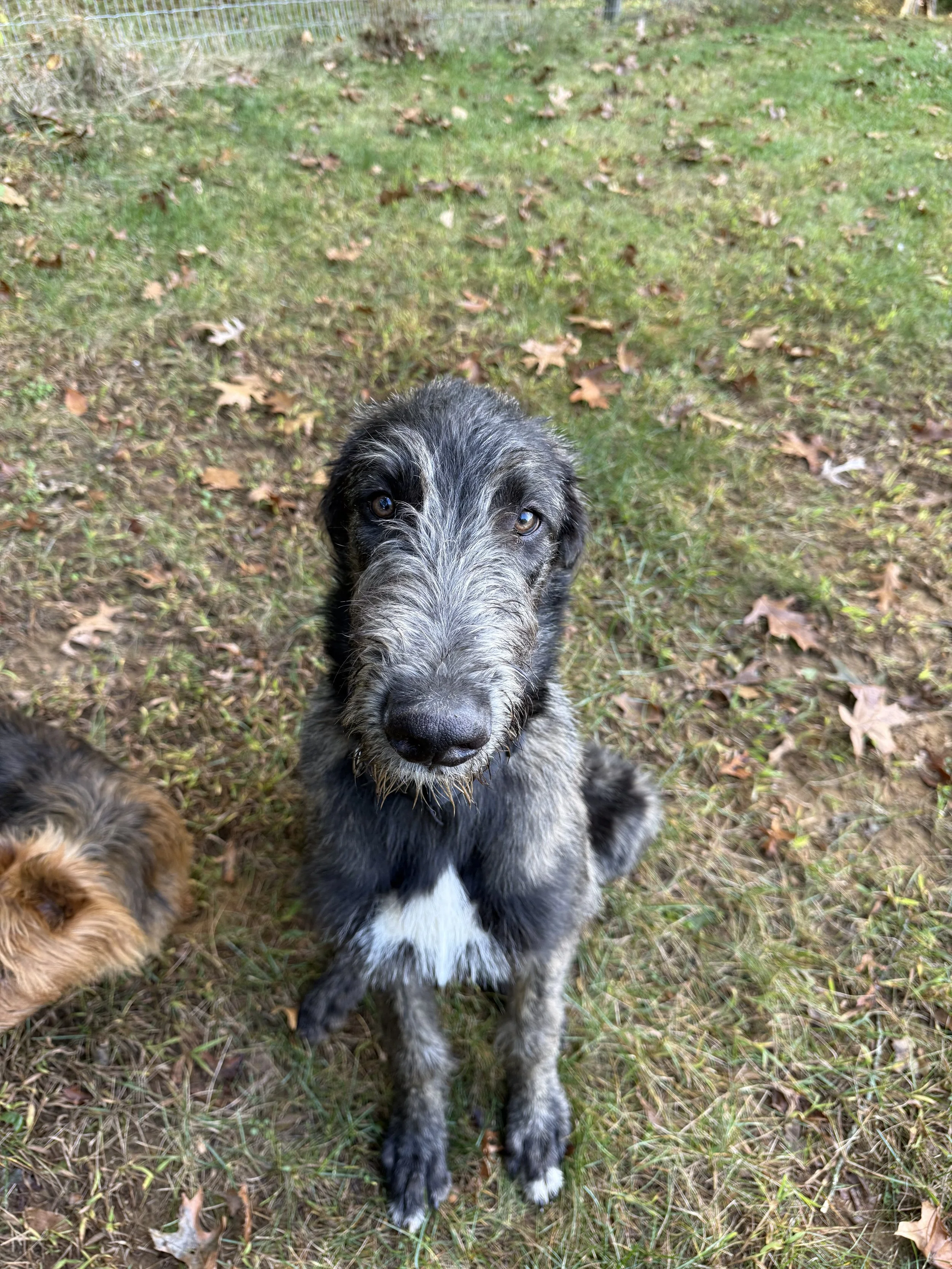
Emissary BEFORE
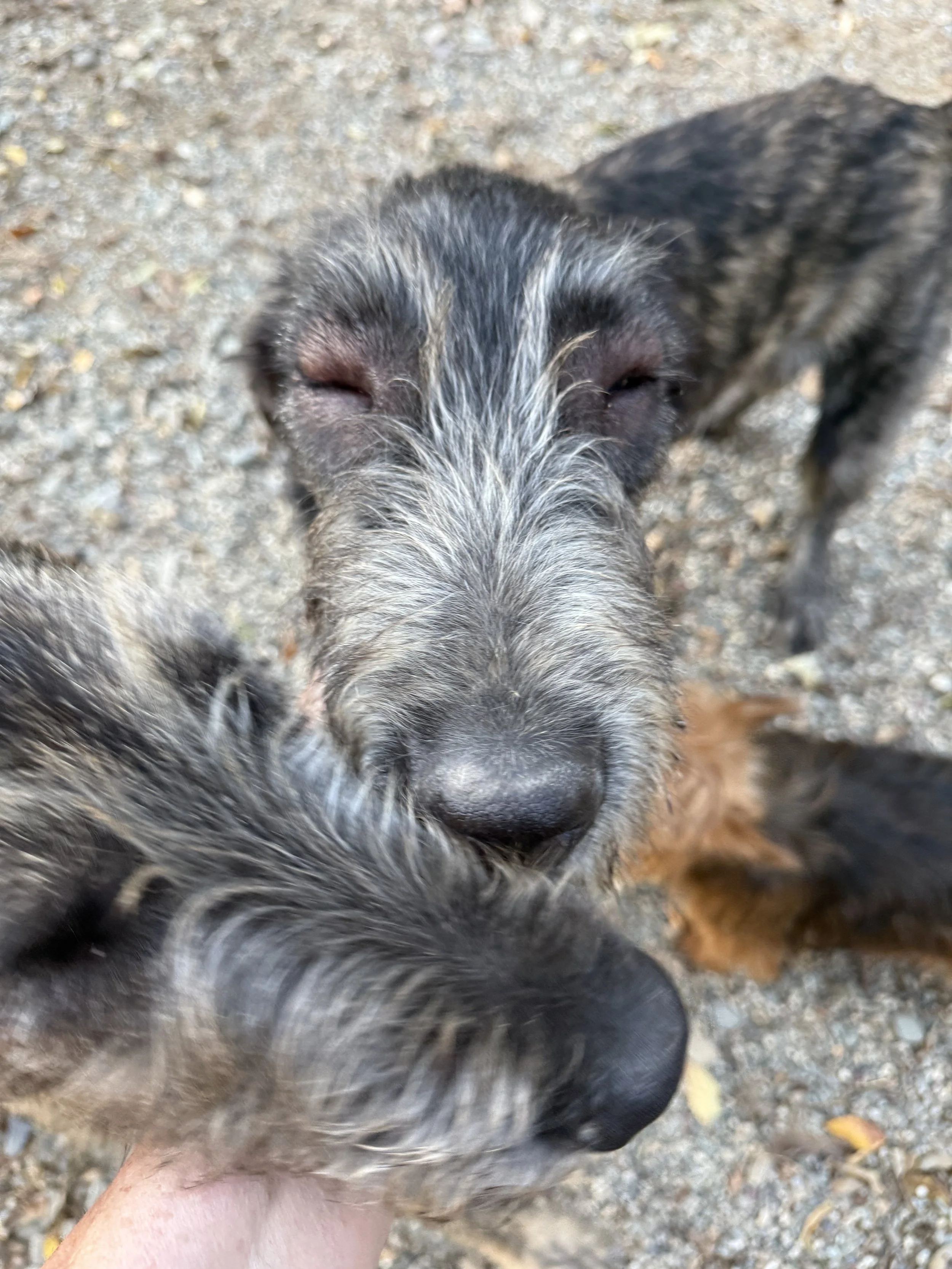
Emissary AFTER
Use of CBD to Treat Canine Seizures
I am glad to see that CBD, oftentimes hailed as a 'miracle drug,' is getting the much-deserved attention it merits. As many who know me or have read my articles are aware that I have been using CBD on my Wolfhounds for more than a decade to treat seizures in two bitches that we determined were caused by Neospora Caninum with latent, chronic infections resulting in multifocal brain lesions and or inflammation of the CNS (Central Nervous System) Granulomatous meningoencephalomyelitis (GME). Technically, without an MRI or a post-mortem to confirm, we would still be obligated to classify these as idiopathic in nature.
The AKC Canine Health Foundation published a study in March 2024 titled "Evidence for the Use of CBD to Treat Canine Idiopathic Epilepsy."
I am glad to see that CBD, oftentimes hailed as a 'miracle drug,' is getting the much-deserved attention it merits. As many who know me or have read my articles are aware that I have been using CBD on my Wolfhounds for more than a decade to treat seizures in two bitches that we determined were caused by Neospora Caninum with latent, chronic infections resulting in multifocal brain lesions and or inflammation of the CNS (Central Nervous System) Granulomatous meningoencephalomyelitis (GME). Technically, without an MRI or a post-mortem to confirm, we would still be obligated to classify these as idiopathic in nature.
I won't delve into the details of Neospora here, as I've already published several posts and articles on my website that thoroughly discuss the serious nature of this parasitic disease. You can click here to learn more about Canine Neospora and the subsequent Update on Neospora. However, it's important to note that this disease is more concerning than Lyme Disease, particularly as it cannot be eradicated from the body. This is especially true if the Indirect Fluorescent Antibody Test (IFA) shows a high titer level in the blood (for instance, 1:200 or 1:800), indicating an active infection. Typically, a titer of 1:50 or above is considered positive for prior exposure.
Antibiotics (such as Clindamycin) can effectively treat the disease. Still, I am convinced that it can go dormant and reactivate later. The same is true for Lyme disease, and I stand firm in this belief. Again, I regard Neospora to be far more serious. Having experienced its symptoms firsthand, I never want to face this disease in my hounds again, as I believe it is a terminal condition.
Let's return to the topic of CBD. My experience with CBD and seizures, though limited to two female hounds, spans well over a decade. Still, I can confidentially state that the CDB had miraculous effects in treating and minimizing their seizures. Cinneide lived to be 11 years old, and though Kellyanne lived to be 10, she ultimately succumbed to her illness as her body could no longer withstand it. It's important to note that the dosage and quality of CBD play a crucial role.
I use R&R Medicinals' Unflavored 5,000 mg Multifunctional CBD Tincture. The necessary amount of CBD corresponds to the hound's weight and severity of the seizures; for instance, Kellyanne weighed 150 pounds, and, towards the end, she was receiving 95mg—about half a dropper—twice a day. I typically administer it around 30 minutes before meals.

If you're introducing CBD to your Irish Wolfhound to help manage seizures, it's advisable to start with a lower dosage tailored to their weight and the severity of the seizures. As a starting point, consider using one-quarter of a dropper, which is approximately 48mg, taken twice daily for about five days. After that, you can increase the dosage to half a dropper, which is about 95mg.
For a larger male Wolfhound weighing around 175 lbs with seizures, I recommend starting with at least 75mg twice daily, then gradually increasing to three-quarters of a dropper, or approximately 142mg each time. If you notice that the seizures occur less frequently and with reduced intensity, you can maintain that dosage. However, if there's no improvement, feel free to raise it to a full dropper twice daily. If you don't see any positive changes after using CBD for at least a month, it would undoubtedly come as a surprise.
In the end, both Kellyanne and Cinneide experienced a remarkable transformation in their seizure patterns. They shifted from having Grand Mal seizures almost daily, often in clusters, to seeing them occur only once every two to three months. Additionally, the severity and intensity of their seizures were significantly reduced; they no longer experienced Grand Mal episodes.
From my experience, I firmly believe that CBD is a life-saving remedy for dogs with seizures. It has the potential to significantly improve the quality of life for our beloved pets, offering hope and comfort to dog owners facing this very challenging and demanding condition.
Mammary Tumors
I make it a point to regularly check the undersides of my older female wolfhounds’ abdomens and teats for any signs of mammary tumors. In my lineage, I've noticed a pattern with certain bitches appearing more prone to developing these tumors. Detected early, I have them surgically removed and biopsied, usually revealing benign or mixed cell types. I ensure these tumors are taken out, and thanks to this proactive approach, my bitches typically live to around 10 years without any cancer issues.
I make it a point to regularly check the undersides of my older female wolfhounds’ abdomens and teats for any signs of mammary tumors. In my lineage, I've noticed a pattern with certain bitches appearing more prone to developing these tumors. Detected early, I have them surgically removed and biopsied, usually revealing benign or mixed cell types. I ensure these tumors are taken out, and thanks to this proactive approach, my bitches typically live to around 10 years without any cancer issues.
Make it a routine to check your females every month to catch any nodules early! If you notice a nodule that feels hard between your fingers, even if it's smaller than a marble, it's important to schedule an appointment with the Veterinarian. They will examine it, confirm its presence, and may schedule your female hound for minor surgery if needed. However, I usually do not sit and wait to see if it gets larger. I have it removed.

Ballyhara Kellyanne
On this surgery topic, it's crucial to first check out my insights on anesthesia for Wolfhounds. Many veterinarians who aren't familiar with Sighthounds mistakenly believe there’s no difference in how to sedate or anesthetize them compared to typical breeds. However, that couldn't be further from the truth. With Sighthounds, the saying, “I have a feeling we’re not in Kansas anymore,” is so applicable. It means that the veterinarian must step out of their usual comfort zone and into a different realm of diagnostics and care altogether.
As a devoted owner, you must stand up for your Wolfhound, as they are unable to advocate for themselves. Being informed is essential. You must familiarize yourself with specific medications and understand their sensitivities to sedation and anesthesia. This knowledge is crucial. Read more about all of this on my anesthesia webpage here on Ballyharairishwolfhounds.com.
For example, in any major surgery on a Wolfhound, unless you have tested for and have knowledge that your Wolfhound does not carry the Delayed Post-Operative (DEPOH) gene then the Veterinarian should administer either Aminocaproic Acid (Amicar®) or Tranexamic Acid, (Lysteda®) one hour before surgery via IV and then the Owner administers it orally every 8 hours afterward for five days. Many veterinarians are unaware of this issue and mistakenly believe that a pre-surgical coagulation panel, consisting of a combination of PT, PTT, and possibly von Willebrand factor testing, is sufficient. Again, they would be very wrong — instead, this could be a life-threatening mistake.
Many veterinarians typically administer Torbugesic as a pre-anesthetic to ease the anesthesia process. However, I do not permit this for my Wolfhounds due to their adverse reactions to opioid medications. They often experience respiratory depression, and one of my females even had a severe anaphylactic reaction that raised concerns about her tongue swelling and potentially choking her. As a result, all my Wolfhound records at the veterinary clinic are clearly marked with a "DO NOT ADMINISTER OPIODS" directive.
We administer propofol to induce sedation directly, and the hound is monitored constantly with EKG, PaO2, SpO2, and blood pressure. Even though propofol is a fast-acting agent with rapid recovery for most breeds -- it can be prolonged in Sighthounds. Mine can take a minimum of 30 minutes, even after minimal propofol induction, for a simple surgery such as removing a nodule. I also decline the typical pain relievers during the surgery and for the hound afterward.
Instead, depending on the surgical procedure (not to include a C-section), I have used Tramadol and Gabapentin in the past with good success, as well as Deramaxx as a pain reliever. An interesting side note about Tramadol is that if your hound has Kennel Cough, also known as Adenovirus type 2 (CAV-2), then Tramadol is prescribed to relieve the coughing.
Years ago, I had one or more hounds who tolerated Meloxicam, a nonsteroidal anti-inflammatory drug, without any issues. However, everything changed with Ballyhara Kellyanne, who produced two litters for me. She had a shocking and severe reaction to Meloxicam. Since then, I’ve stopped using it in my bloodlines entirely, as her response panicked us, and her offspring could have inherited the same sensitivity. Similarly, I avoid using Rimadyl or Carprofen; I am aware that, in certain breeds, their side effects can include seizures, vomiting, black tarry stools, and jaundice.
If you notice a nodule on your hound, don’t hesitate to address it right away. It’s common for female dogs to develop several nodules on their mammary glands, so don’t be too alarmed if you find more than one. For the latest information on mammary tumors, be sure to check out the resources available from the AKC Canine Health Foundation, New Treatment Strategies for Canine Mammary Tumors.
Emergency Mobility For Giant Breeds
Preparation is critical, and we all have our moments of oversight. Even I, being detail-orientated and organized, have been caught off guard. Doing so is particularly crucial while owning giant breeds, as their sheer mass and size can pose significant challenges in times of crisis.
Preparation is critical, and we all have our moments of oversight. Even I, being detail-orientated and organized, have been caught off guard. Doing so is particularly crucial while owning giant breeds, as their sheer mass and size can pose significant challenges in times of crisis.
The loss of a giant breed dog is a profoundly emotional experience, as we recently lost our beloved Wolfhound, Kellyanne, several weeks ago at 10 years of age. Then, unexpectedly, we lost her brother, our dearest stallion wolfhound, SBIS Ballyhara Ki, two weeks later. A towering male, standing approximately 36 inches at the shoulder and during the prime of his life, was 175 lbs.
How do you solve the dilemma of moving an injured, sick, or dying giant breed dog when you are alone? There are various animal stretchers and options on the Internet and Amazon. But most are well-suited for average-sized dogs and not giants. I researched as many options as possible and settled on a particular stretcher I could use by myself.
Some giant breeder owners use the black two-wheel animal stretcher from Amazon, which is 45 inches long and great for medium to large breeds. I decided against this option as a long-backed giant breed is much more elongated than 45 inches, and you must lift the stretcher up only on one end to haul the dog. I was concerned about stuffing an injured or sick IW into this small space and then having them slide down, despite the webbed restraints, and bumping or dragging along the ground when hauling this stretcher. In my experience, the mesh barrier could not possibly hold the weight of a wolfhound whose body is sliding from gravity as the stretcher is tipped up to move.

I chose a medical stretcher, which is an excellent alternative. Pricer than the typical animal stretcher, this is a human-size stretcher. The criteria were simple. I needed a long stretcher that my Wolfhounds could lie on (this one is 72 inches long) that was low to the ground so that I alone would be able to drag a massive wolfhound onto it one section at a time, such as the hindquarters then the front-end and head and so forth. The other criteria were that it had 4 wheels for motion and a handle and would be narrow enough to fit through a typical doorway. The dimensions of this medical stretcher are 72.8 inches long, 19.6 inches wide, and 7.8 inches high. It has thickened Oxford cloth that can carry up to 350 pounds, has two web belt restraints, and is foldable.
As seen here, the Amazon animal stretcher is 45" long by 22 inches wide and 6 inches high. It has only 2 wheels, and the animal must be tipped up to move it. A model made with 4 wheels was previously available. Still, it has been out of stock, and there have not been any updates on when it will be available again.

Unfortunately, and heartbreakingly, we had to use our new stretcher shortly after receiving it. As I mentioned, we lost our beautiful hound and had to transport Ki from the backyard to the vehicle. Though my husband was here to assist, after using the medical stretcher, I was comfortable knowing that I would have the ability to at least move my injured, sick, or dying hound by myself to get them to the Emergency Clinic. Getting them to the vehicle safely without causing further harm to them is paramount.
Getting them into our van is another issue. We have always used a telescoping dog ramp with side rails for the hounds' access to our vehicles. Our new stretcher can fit on our wide dog ramp, but it is a tight fit, as the dog ramp is 20 inches wide with side rails. Our ramp telescopes up to 82 inches and can hold 300 pounds. Still, I would move the van so its rear access doors are adjacent to higher ground to minimize the slope to a comfortable 25 to 30-degree incline and then haul the stretcher up the dog ramp. Even better, in the future, after we get done with our construction here, as we are going to be building a new house and dog lounge, I will construct a permanent, gradually sloped earthen ramp for such emergencies where I find myself alone having to move an injured or very ill wolfhound.
If you need to purchase a dog ramp, the one below is an acceptable choice. I'm glad to share my experience with everyone.


How Accurate Are Those Pet DNA Tests?
How accurate are those pet DNA tests really? Boston's CBS WBZ Investigative Team decided to put dog breed tests to the test, and they got pretty surprising results.
How accurate are those pet DNA tests really? Boston's CBS WBZ Investigative Team decided to put dog breed tests to the test, and they got pretty surprising results.
According to Elinor Karlsson, a geneticist with the Broad Institute and UMass Chan Medical School, and who runs a lab called Darwin's Ark, where she digs into pet DNA science states, "I personally do have concerns about the fact that, from a consumer standpoint, you don't always know what you're getting when you work with those companies. There's not a lot of rules in this space."
So last year, the WBZ I-Team checked up on commercial DNA testing companies by sending a sample from a New Hampshire pet owner's human cheek to a company called DNA My Dog. The results showed she was part bulldog!
When the company was contacted, the DNA My Dog service director responded that those results would not be possible on a human sample. So, the WBZ I-Team decided to check it out again. Reporter Christina Hager swabbed her cheek and sent her samples to three companies.
One company, Orivet, reported that the sample "...failed to provide the data necessary to perform the breed ID analysis." Another Wisdom Panel sent a message saying the sample "... didn't provide...enough DNA to produce a reliable result."
However, the previously used DNA My Dog company linked the reporter's DNA sample to dog breeds for the second time! The company reported that Christina Hager was 40% Alaskan Malamute, 35% Shar-Pei, and 25% Labrador. When the Boston WBZ I-Team contacted the Toronto-based company again, DNA My Dog did not respond despite repeated attempts.
At the risk of sounding incredibly sarcastic, what a surprise! It is outlandish that these DNA companies cannot decipher human DNA from canine DNA. Yet, are we supposed to "trust" their results after paying them $80 for a DNA canine test?
All of the above makes me even more skeptical of this DNA market based on one or more results I know about. For example, a rescue dog that appeared to be a miniature Wolfhound had DNA returned as 50% Standard Poodle, 46% Dutch Shepherd, and 4% American bulldog. From the results, it had no Irish wolfhound DNA.
Why am I distrustful of these particular results? It may have had no Wolfhound in it, but I find it hard to believe the results because of the 46% Dutch Shepherd DNA, which is highly unlikely. The Dutch Shepherd is a rare breed in the Foundation Stock Service (FSS) stages of recognition within the AKC and is in the Miscellaneous Group. It is so rare that there are approximately 11,000 in the world. Of course, it is possible that this commercial "Doodle" puppy mill obtained one Dutch Shepherd specimen and combined it into its substandard crossbreeding operation, but I find that improbable. How do I know it was a commercial puppy ill operation? Because the dog had paint on its back, the color of which identified who it was bred to.
The point is that you would require more than one Dutch Shepherd breed specimen to consistently reproduce subsequent generations. Yes, it is far-fetched but still possible to obtain numerous Dutch Shepherds, mainly if they were imported from Europe, which segues into an even more critical discussion about European Breeders indiscriminately shipping puppies to the United States, willy-nilly. I deviate here but will tell my European counterparts that dogs are not livestock. Even more, we no longer are in the golden ages of yesteryear when conscientious, ethical, private American breeders throughout the U.S. were interested only in whatever breed's welfare, adhering to the custodial principle. Sigh, an article that will have to wait for another day.
In closing, I am dubious to the point of simply not believing in these Canine DNA testing company results. One pet owner received results that included as many as 14 breeds, including Chihuahua, in her medium-to-large-breed rescue. Dr. Lisa Moses, a veterinarian and bioethicist at Harvard Medical School, believes the science needs to be more precise because there are no official definitions for breeds. She says there are no exact genetic codes to match them. "There isn't necessarily a gold standard answer for what your dog is... A breed is something that we've decided, which is based upon essentially the way a dog looks," said Dr. Moses. "But that doesn't necessarily mean that we're going to know what their genes look like."
I find it all to be nonsense. I believe in the DNA Health research into genetics to identify canine cancer and other health risks. The above bogus science can only do harm in the public's mind.
Read the entire short DNA article here on CBSNews.com.

The Effect of Body Size and Inbreeding on Cancer Mortality in Breeds of the Domestic Dog
Cancer is a leading cause of death in domestic dogs. Deaths dueto cancer vary widely among breeds, providing an opportunityfor testing the multi-stage model of carcinogenesis. This modelunderpins evolutionary and basic studies of cancersuppression and predicts a linear increase in cancer withbreed size, an expectation complicated by bigger breedshaving a shorter lifespan (decreasing risk)………
The effect of body size and inbreeding on cancer mortality in breeds of the domestic dog: a test of the multi-stage model of carcinogenesis
Published:31 January 2024 https://doi.org/10.1098/rsos.231356
Abstract
Cancer is a leading cause of death in domestic dogs. Deaths due to cancer vary widely among breeds, providing an opportunity for testing the multi-stage model of carcinogenesis. This model underpins evolutionary and basic studies of cancer suppression and predicts a linear increase in cancer with breed size, an expectation complicated by bigger breeds having a shorter lifespan (decreasing risk). Using three independent datasets, the weight and lifespan of breeds provided a good fit of lifetime cancer mortality to the multi-stage model, the fit suggesting many canine cancers are initiated by four driver mutations. Of 85 breeds in more than one dataset, only flat-coated retriever showed significantly elevated cancer mortality, with Scottish terrier, Bernese mountain dog and bullmastiff also showing notable risk (greater than 50% over expected). Analysis of breed clades suggested terriers experience elevated cancer mortality. There was no evidence that the lower mass-specific metabolic rate of larger breeds reduced cancer risk. Residuals indicated increased breed inbreeding shortened expected lifespan, but had no overall effect on cancer mortality. The results provide a baseline for identifying increased breed risk for specific cancers and demonstrate that, unless selection promotes increased cancer suppression, the evolution of larger longer-lived animals leads to a predictable increased cancer risk.
You can read the full length article that The Royal Society Open Science recently published in Volume 11, Issue 1, January 2024.
Here is an AI generated abbreviation of the discussion aspect of the article which is interesting.
Canine Cancer and the Multi-Stage Model of Carcinogenesis A recent study aimed to determine if the multi-stage model of carcinogenesis is responsible for the patterns of cancer mortality seen across dog breeds. The results showed that the fit to the multi-stage model was very good, with a linear increase in cancer mortality with weight in small dogs that plateaus in medium-sized dogs and declines in the largest dogs. The best-fit model was consistent across three independent datasets, defining a single value of M (the number of driver mutations). M = 4 suggests that a majority of cancers causing mortality in dogs are initiated by four driver mutations. The study also found that the value of M = 4 falls within a narrow range of values predicted a priori. The evolutionary multi-stage model of carcinogenesis (EMMC) predicts that the level of cancer suppression is expected to reduce the fitness loss due to a specific cancer in a given species to approximately 1/(2Ne), where Ne is the effective population size of the species. Given the lower weight and shorter reproductive life of wolves relative to humans, the EMMC predicts a slightly lower average level of cancer suppression in wolves and their descendant dogs than in humans. The study shows that artificial selection for increased or decreased body size has had, on average, the predicted effect on cancer risk. A similar predictable size effect (based on height) is also seen in humans. Together these patterns unambiguously support the EMMC: increasing body size leads to a greater risk of cancer unless this effect is reduced by a concomitant adaptive increase in cancer suppression. In conclusion, the results from the study strongly contradict an alternative non-adaptive hypothesis based on Kleiber's law. Kleiber's law is a well-established relationship linking increased body size to a reduced mass-specific metabolic rate, and, while the precise relationship is debated, the negative relationship is consistent. However, the dog data provide a clearer picture, showing no indication of an unexplained reduction in the predicted cancer risk with increased body size that could be assigned to the effect of a reduced metabolic rate. Therefore, there is no support for the metabolic rate hypothesis in relation to canine cancer.
Canine Heart Health and Genetic Testing
Canine genetic tests are important and must be interpreted together. Phenotype refers to a dog’s observable traits, whereas genotype refers to a dog’s genetic constitution. Phenotypic tests are typically performed by a veterinarian or board-certified cardiologist. DNA tests can be used to determine a dog’s genotype for specific genetic variants, but phenotype tests are required to obtain a diagnosis of heart disease.
The following article published by the AKC is the newest article on Heart Health and is essential for many purposes. Many companion owners need to be aware of the warnings and advice of a breed's Parent Club; in this case, it would be the Irish Wolfhound Club of America (IWCA.)
Unfortunately, the IWCA is noticeably absent from this article in providing valuable and critical guidance to Wolfhound owners, as cardiac disease is one of the leading causes of death in Wolfhounds. In my opinion, based on the number of emails and requests I receive, it is the leading cause of death as, sadly, countless breeders do not educate their IW owners about Atrial Fibrillation and Dilated Cardiomyopathy (DCM), as well, Ventricular Premature Complexes (VPC). Many wolfhounds die needless early deaths because they were not properly and annually tested.
My policy has always been to inform Wolfhound owners that heart testing is imperative and mandatory beginning at age two and annually after that. Any advanced cardiac testing MUST include Auscultation, EKG and Echocardiograms.
The IWCA website states: It is important to remember that testing is important for all Irish Wolfhounds, not just those who are used for breeding. Early detection of changes in health often leads to a better quality of life for your dog. All Irish Wolfhounds may benefit when your dog participates in a health study that increases our knowledge…Cardiac screening in IWs should always be performed by a Board-certified veterinary cardiologist.
Canine Heart Health and Genetic Testing
By Claire Wiley, VMD, DACVIM
Published: Feb 22, 2024
Canine genetic tests are important and must be interpreted together. Phenotype refers to a dog’s observable traits, whereas genotype refers to a dog’s genetic constitution. Phenotypic tests are typically performed by a veterinarian or board-certified cardiologist. DNA tests can be used to determine a dog’s genotype for specific genetic variants, but phenotype tests are required to obtain a diagnosis of heart disease.
The heart is a complex organ that can manifest disease in multiple ways. Some heart diseases are present at birth (congenital), whereas others develop as the dog ages. These conditions can lead to symptoms such as coughing, lethargy, exercise intolerance, fainting, and even sudden death if left untreated. Some common heart diseases seen in dogs include:
1. Degenerative Mitral Valve Disease (DMVD)
This middle to old age disease is the most common of all canine heart diseases. One of the heart valves, the mitral valve, becomes thickened and damaged as the dog ages. The valve can leak blood and cause heart enlargement that can progress to congestive heart failure (CHF). Although small breed dogs are more prone to developing this disease, any dog can be affected. At the time of writing this article, no genetic tests are available to help predict the occurrence of this disease.
2. Dilated Cardiomyopathy (DCM)
With DCM, the second most common form of heart disease in dogs, the heart chambers become enlarged (dilated) and the walls become thin. DCM can have multiple causes, including inherited and nutritional. Multiple genetic variants have been identified that are associated with DCM that are typically breed-specific tests. Although some of these variants are inherited in a simple Mendelian fashion, others are complex and represent risk factors. Age of onset can vary from breed to breed. For example, Portuguese Water Dogs can develop an inherited, juvenile form that typically manifests before 6 months of age, called Juvenile Dilated Cardiomyopathy.
Phenotypic tests are crucial for evaluating the current function of the heart. Some common tests include:
1. Auscultation: Auscultation involves listening to the heart sounds using a stethoscope. Abnormalities such as murmurs, irregular rhythms, or gallops can indicate underlying cardiac issues.
2. Echocardiography: Echocardiography, or cardiac ultrasound, provides detailed images of the heart’s structure and function. It helps assess chamber sizes, valve function, and overall cardiac performance.
3. Electrocardiography (ECG or EKG): ECG records the electrical activity of the heart, helping identify arrhythmias and conduction abnormalities.
4. Chest radiographs: Radiographs offer valuable insights into the size and shape of the heart, as well as detecting signs of congestive heart failure, such as pulmonary edema or pleural effusion.
5. Holter Monitoring: Holter monitoring involves continuous ECG recording over 24-48 hours, allowing for the detection of intermittent arrhythmias.
The American Boxer Club, Inc., for example, recommends routine Holter monitoring annually for breeding to help decrease the incidence of Boxer Cardiomyopathy.
Genetic testing related to canine cardiac health is most important for informing breeding practices when selecting breeding pairs. The AKC DNA Program is about to launch genetic testing in the coming months, and several genetic variants for heart health are included in this panel.
Parent Club Recommended DNA Cardiac Health Tests:
Dilated Cardiomyopathy (Schnauzer Type) This specific genetic variant investigates a deletion in the RBM20 gene.
Juvenile Dilated Cardiomyopathy in Portuguese Water Dogs (Available only through PennGen) This genetic variant investigates a locus on canine chromosome 8.
Other AKC DNA + Health Heart Tests:
Cardiomyopathy and Juvenile Mortality. This genetic variant is associated with severe heart disease that can cause death from heart failure by 8 weeks of age.
Dilated Cardiomyopathy (Doberman Pinscher Type Risk Factor, Variant 1)
This specific genetic variant investigates a deletion in the PDK4 gene and is associated with disease in Doberman Pinschers, and its association with DCM in other breeds is not clear. This genetic variant is inherited in an autosomal dominant manner with incomplete penetrance. In other words, not every dog with this genetic variant goes on to develop the disease DCM.
Dilated Cardiomyopathy (Doberman Pinscher Type Risk Factor, Variant 2)
This specific genetic variant investigates a single nucleotide polymorphism (SNP) in the TTN gene and is associated with disease in Doberman Pinschers.
Canine genetic testing for heart disease represents a valuable tool in the arsenal against decreasing the risk of producing cardiac conditions in dogs. By leveraging the power of genetics, veterinarians and dog owners can work together to identify at-risk individuals, implement preventive measures, and provide personalized care to improve the overall cardiac health and well-being of our beloved canine companions. Each known genetic variant for DCM will be discussed in more detail in the coming months. As research continues to advance, genetic testing holds the promise of further enhancing our understanding and management of canine heart disease.
Citations:
1. Werner P, Raducha MG, Prociuk U, Sleeper MM, Van Winkle TJ, Henthorn PS. A novel
locus for dilated cardiomyopathy maps to canine chromosome 8. Genomics. 2008
Jun;91(6):517-21.
1. Harmon MW, Leach SB, Lamb KE. Dilated Cardiomyopathy in Standard Schnauzers:
Retrospective Study of 15 Cases. J Am Anim Hosp Assoc. 2017 Jan/Feb;53(1):38-44.
3. Gurtner C, Hug P, Kleiter M, Köhler K, Dietschi E, Jagannathan V, Leeb
T. YARS2 Missense Variant in Belgian Shepherd Dogs with Cardiomyopathy and
Juvenile Mortality. Genes (Basel). 2020 Mar 14;11(3):313. PubMed: 32183361
4. Meurs KM, Lahmers S, Keene BW, White SN, Oyama MA, Mauceli E, Lindblad-Toh K. A
splice site mutation in a gene encoding for PDK4, a mitochondrial protein, is associated
with the development of dilated cardiomyopathy in the Doberman pinscher. Hum
Genet. 2012 Aug; 131(8):1319-25.
5. Owczarek-Lipska M, Mausberg TB, Stephenson H, Dukes-McEwan J, Wess G, Leeb T. A
16-bp deletion in the canine PDK4 gene is not associated with dilated cardiomyopathy
in a European cohort of Doberman Pinschers. Anim Genet. 2013 Apr;44(2):239.
6. Meurs KM, Friedenberg SG, Kolb J, Saripalli C, Tonino P, Woodruff K, Olby NJ, Keene
BW, Adin DB, Yost OL, DeFrancesco TC, Lahmers S, Tou S, Shelton GD, Granzier HG. A
missense variant in the titin gene in Doberman pinscher dogs with familial dilated
cardiomyopathy and sudden cardiac death. Hum Genet. 2019 May;138(5):515-524.
Warning to All Dog Show Travelers Staying in Hotels
It may not have happened to you yet, but it does not mean it will not happen down the road. Heed these warnings and advice.
If you read my previous Facebook post from August 18, 2023, about the hotel phony charges scheme, you will know that these plots occur when someone travels for business or pleasure. Now, complicate the matter more by having show dogs in the room, and the door has now been opened for every fraudster hotel operator looking for money to line their coffers…..
It may not have happened to you yet, but it does not mean it will not happen down the road. Heed these warnings and advice.
If you read my previous Facebook post from August 18, 2023, about the hotel phony charges scheme, you will know that these plots occur when someone travels for business or pleasure. Now, complicate the matter more by having show dogs in the room, and the door has now been opened for every fraudster hotel operator looking for money to line their coffers.
Today, there are more complaints about unscrupulous hotel operators charging guests for post-stay falsified damage or smoke odors in a hotel room than ever before. That some hotel employees are surfing through hotel manifests looking for an unsuspecting guest or, better yet, "victim" is not far-fetched. Many of these surprise hotel charges are applied to the credit card days after the guest has left the property — typically with no warning.
I learned the hard way as I became one of these targets while traveling solo, without dogs, volunteering my time for a Specialty Dog Club. What the crooked hotel staff did not count on when they chose me as their victim was that I am a real estate broker accustomed to documenting almost everything. Including a non-operational LED TV display. From this point onward, I will proceed with additional precautions when I stay in a hotel or Airbnb, as advised by ConsumerRescue.org.
But traveling with dogs escalates the likelihood of falling prey to an unscrupulous hotel operator looking to steal your money with false damages claims. You should take the same strict precautions as if you were renting a car. Do the following before bringing your dogs into a hotel room or Airbnb.
Inspect your hotel room first! Just like you do when renting a car.
Using the Smartphone, gather what I dub entry and exit snapshots in time by photographing and video recording your hotel room(s) and bath. Always make sure that your Smartphone has location, time, and date enabled on all your pictures and videos. You will need these if a hotel alleges damages.
While doing so, it is essential to take inventory of the room's contents. How many clocks, floor lamps, coffee makers, glassware, extra pillows or blankets, etc.? Look around to ensure no prior damage exists, including carpet stains or frays. If you notice deterioration on the furniture, drapery, or damaged bath & lighting fixtures, zoom in and document these areas. Some hotel properties will falsely charge guests for worn-out items when it's time for a replacement. If an electronic, such as a TV, does not work correctly, do not ignore the issue. Alert the front desk immediately about any discrepancies or if the room has any odor, especially smoke, and remember to request the desk clerk's name; you will need to keep that for future reference.
For those dog show people who rearrange the furniture in hotel rooms to accommodate several dogs, be extra vigilant. Carefully assess that coffee table or chair you just moved to ensure there are no scratches, broken legs, or nicks in the wood or material. Otherwise, you may be buying it at a highly inflated price.
When you are ready to leave and after you have documented your room's condition with exit photos and video, have the front desk clerk or manager come down to the room. Have them verify that the room has no damage or cigarette smoke. You may have to pre-arrange this at check-in so that they have an employee available. Doing so does not guarantee the hotel will not pursue a damage claim once housekeeping is complete. Still, it is another protection layer you could have when you dispute any post-stay charges after leaving with a pet(s). Of course, nearly every hotel has a "pet fee" charge for supposed comprehensive cleaning, anywhere from $25 to $100 per day, which guests agree to when they check-in, but damage claims are entirely different.
Save all these records because ConsumerRescue.org reported post-stay charges appearing on credit cards three to even 14 days after check-out. It can be a week or even longer when the consumer catches these charges.
Yes, these precautions sound extreme. However, ConsumerRescue.org reports that after plowing through hundreds of complaints involving phony hotel charges, they always recommend you err on the side of caution. In various cases, hotel employees have planted false evidence, such as cigarette butts and ashes or light bulb glass scattered around the carpet. They then photographed such manufactured evidence and claimed damages to the room. Yes, you read that correctly. The hotel planted false evidence after the guest checked out. Believe it yourself by reading some of ConsumerRescue.org's outrageous cases.
Remember, falsified damages can range from minor to significant. Alleged damages accusing your perfectly coiffed and exquisitely behaved show dog could be substantial. This consumer advocacy group has documented post-stay charges against guests for as much as $1,400.00. Corrupt hotel operators and Airbnb hosts are trying to get away with highway robbery!


Kennel Emergency & Disaster Planning – Keeping Your Dogs & Facility Safe
Here is a good article from AKC “Kennel Emergency & Disaster Planning - Keeping Your Dogs & Facility Safe” on the basics behind prepping for emergencies and disasters. Perhaps you already have a plan in place but read on in case you may have missed something!
Here is a good article from AKC “Kennel Emergency & Disaster Planning - Keeping Your Dogs & Facility Safe” on the basics behind prepping for emergencies and disasters. Perhaps you already have a plan in place but read on in case you may have missed something!
By Stacy Mason
Once again, April showers have brought May and June flowers along with severe weather across the United States. All over the weather channels and news stations, I am seeing very vivid reminders of severe weather and natural disasters that have unfortunately damaged millions of dollars’ worth of property and taken far too many lives.
What defines an “emergency” or a “disaster?” Oxford dictionary says an “emergency” is a serious, unexpected, and often dangerous situation requiring immediate action. It continues by saying “Your quick response in an emergency could be a lifesaver.” Oxford also says a “disaster” is a sudden event, such as an accident or a natural catastrophe, that causes great damage or loss of life.
Both are particularly good definitions of an “emergency” and of a “disaster,” however, neither definition says it is exclusive to people. Have you ever thought about all the things that could be an “emergency” or a “disaster” around your home and/or kennel? These events don’t have to involve wind, rain, sleet, snow, or tornados.
In this article, lets focus on what could be an “emergency” or a “disaster” for you and/or your dog(s) or other animals. Most of my emergencies happen after business hours, in the evenings, on the weekends or over the holidays. This leads to my next questions, which hopefully will help you plan for when an emergency or disaster happens.
Question: Who is helping you or taking care of your dogs and animals if:
You go on vacation?
You become incapacitated and end up in the hospital?
You are unexpectedly detained, arrested, or unable to return to your home/kennel?
There is a train derailment or a traffic accident and you are evacuated or prohibitedfrom coming back to your home/kennel or neighborhood?
There is an explosion or gas leak which causes a hazardous or toxic waste spill or fumes near your home/kennel?
Your home/kennel has a fire?
You are killed in a traffic or other transportation incident?
You suddenly die of natural causes?
You have an animal disease outbreak?
An unknown person turns your dogs loose from the yard/kennel/primary enclosure/crates?
The 10 things listed above are much more likely to happen to you and your animals, than your home/kennel being struck by a natural disaster, like a hurricane, tornado, wildfire, or earthquake.
Create Plan of Action & Detailed Contact List: Do you have a written plan of action for your dog sitter should one of your dogs get hurt while you are away on vacation? What if a dog has a challenging time whelping in the middle of the night on a long holiday weekend? Do you have your first, second and third choice veterinarian telephone numbers posted in an obvious place?
What happens should the power or the air conditioning go out on a sizzling hot summer day? Do you have the telephone number posted for your electrician, plumber and heat and air repair persons? If you have a well, do not forget to list a contact number for that repair if needed!
Do you have a list of fellow dog friends and their telephone numbers posted to help you in an emergency or a disaster? Could your friends help you round up dogs if a “animal extremist” turned all your animals loose?
The greatest emergency or disaster risk any dog/kennel owner will face is the threat of a disease outbreak. This will be devastating to your animals, and you will have a loss of life, if not acted upon quickly, efficiently and with a plan of action before it happens. With the number of cases of Canine Influenza on the rise across the United States, you CANNOT wait to make a disaster preparedness plan for this scenario.
Think about the 10 items above. Chances are you will be able to think of more scenarios that may be a potential risk for an “emergency or a disaster” in your home. A disaster preparedness plan should be unique to you and your animals. There are no right or wrong answers. Just remember the most important rule is “Health and human safety first!” Call 9-1-1 if necessary, and then set your written plan into action. If you do not have a written plan that you have outlined and practiced, you will lose valuable time, time that can save lives. Make a difference in your dogs lives and the people’s lives they touch. Make your plan today!
For more information on developing an emergency/disaster plan go to: Developing an Emergency or Disaster Preparedness Plan
Stacy Mason is an AKC Senior Breeder Relations Field Representative.
Discoveries: Advances in Canine Bone Cancer Research
New treatments are needed for canine bone cancer. Current treatment options include surgical removal of the tumor and chemotherapy to treat metastatic disease (cancer spread to distant parts of the body). Unfortunately, surgery can have complications, not all dogs are good candidates for surgery due to other health problems, and many affected dogs develop metastatic disease and only survive for one year or less after diagnosis.
AKC Canine Health Foundation Discoveries
By Sharon Albright, DVM, CCRT
Manager of Communications & Veterinary Outreach, AKC Canine Health Foundation
New treatments are needed for canine bone cancer. Current treatment options include surgical removal of the tumor and chemotherapy to treat metastatic disease (cancer spread to distant parts of the body). Unfortunately, surgery can have complications, not all dogs are good candidates for surgery due to other health problems, and many affected dogs develop metastatic disease and only survive for one year or less after diagnosis.
Since 1995, the AKC Canine Health Foundation (CHF) and its donors have invested more than $3 million in 42 studies to improve outcomes for dogs with bone cancer. Since canine bone cancer is similar to human adolescent bone cancer, what we learn about dogs could also help children affected by this devastating disease. There is exciting progress toward that goal.
A recent study conducted by 2016 CHF Clinician-Scientist Fellow Dr. Shirley Chu found that genetic mutations in canine bone cancer cells were similar even in different locations within a patient. However, the mutations were unique to each individual dog studied. Additional research could explore if these mutation differences indicate subtypes of bone cancer that should be studied to offer more targeted and effective treatments and a more accurate prognosis for affected dogs.

Cudama Santa at Ballyhara
Another study showed that a unique form of bone cancer that strikes Irish Wolfhounds at a young age (less than 5 years old) is highly heritable with 65% of disease development attributed to genetic factors. Future studies will explore the specific genetic mutations that contribute to this form of cancer.
Investigators at Tufts University described the DNA of canine bone cancer cell cultures, confirming that these cultured cells adequately represent natural disease. This means that scientists can study these cell cultures to see which chemical pathways are disrupted by cancerous mutations and could be targeted by new treatments.
Finally, an exciting line of study at the Virginia-Maryland College of Veterinary Medicine is concentrating on a treatment protocol for canine bone cancer using the technology known as histotripsy. This focused ultrasound treatment mechanically disintegrates tumor tissue without affecting surrounding muscle or nerve cells. The treatment was first tested on bone cancer tissue samples removed from donor dogs. After this successful study, histotripsy was used to treat five client-owned dogs with suspected bone cancer. These clinical trial participants received standard limb amputation surgery 1-2 days after the histotripsy treatment. They showed no significant adverse effects from the treatment and microscopic examination showed that histotripsy effectively disintegrated the tumor tissue while sparing surrounding normal tissues.
Exploration of histotripsy as a new treatment for bone cancer continues, as CHF funding is helping scientists determine the best way to monitor response to treatment and how it impacts the immune system. Other newly awarded grants
will examine interactions between bone cancer and immune system cells – exploring how immune cells gain access to important regions within bone tumors and if and how they are manipulated to help the tumor grow. Study also continues on the genetic mutations found in bone cancer cells and how we can use them to develop better tests and treatments. And the exciting prospect of a blood test for early detection of canine bone cancer is under development at the University of Minnesota.
Canine bone cancer is a devastating diagnosis for dogs and their families. But thanks to the dedication of CHF’s donors and funded investigators, there is hope. Hope for better diagnostic tests. Hope for more successful and less invasive treatment options. And hope for longer, healthier lives for the dogs we love. Learn more about CHF-funded bone cancer research, including how you can help, at akcchf.org/osteosarcomaRPA.
Best to Grind Your Dogs Heartworm Pill!
Grind your dog’s and cat’s heartworm preventatives! If your pet does not chew the pill then it loses its effectiveness!
Just because we're entering into the Autumn season does not mean that dog owners can slack off about giving heartworm preventative. On my website, under Recommended Vaccinations & Wormers, I have advice from Dr. Jean Dodds, Hemopet.
She advises using heartworm preventatives for healthy dogs if the ambient temperature is above 57 degrees Fahrenheit (14 degrees Centigrade) for approximately two weeks and mosquitoes are prevalent. A basic rule of thumb is Mid-April through November for the majority of the country and basically year-round for the southern states.
However, we are experiencing climate change worldwide. Therefore, it would be wise for those living in the four-seasons regions to keep dosing with heartworm preventative through December just to be safe. This past late Autumn into early winter, I recall mowing my pastures despite the calendar being the end of December! At the same time, be prepared to begin dosing earlier than April if there is a much warmer than usual forecast. Still, first, you must have a heartworm blood test performed. I prefer Snap 4DX tests, which also screen for Anaplasma, Ehrlichia, and Lyme tick diseases.
The most important tip for everyone to know when dispensing heartworm preventatives is that the dog MUST chew the tablet. Since many heartworm preventatives are in chewables forms, people get complacent and think that when they give it to their dog, they'll munch on it. But, if your dogs are like mine, they simply swallow it without chewing. So my policy is to GRIND the pills into tiny pieces or even a powder in a small bowl and add it to a small handful of ground meat. Then I administer it to each of the hounds. This method guarantees that the pill has been crushed without chewing!
Why the big deal? Because pharmaceutical companies require dogs to chew and NOT to swallow their preventative whole for the effectiveness of the pill. Many, many dog owners are completely unaware of this issue. Over the years, I have heard stories about dogs diagnosed with the disease despite taking monthly preventatives. The owners contacted the company and were informed that, most likely, their dog never chewed the pill! That is not what you want to hear after the fact.
Lastly, I urge you to use heartworm preventative medicines. But choose carefully, as there are several options on the market with varying degrees of side effects for specific breeds. For example, some Herding Breed dogs have a genetic mutation that makes them dangerously oversensitive to ivermectin, as well as white colored-dogs, and dogs prone to seizures. Additionally, Sighthounds are very sensitive and are best suited with plain milbemycin oxime. I discuss heartworm preventatives and wormers in detail on my website, so please take a moment and visit Recommended Vaccinations & Wormers.

Post-Estrus Depression Update
More updates on my "Canine Post-Estrus Depression" DogBlogMusings article, as my website analytics inform me that this topic is the second most popular page on my entire website! This is unusual as my website welcomes a fair number of visitors regularly. I also receive email pleas for assistance on the topic. Still, the elevation in popularity on my popular website concerns me. It seems that this behavioral change in dogs is increasing considerably. Buy why?
Another update to my "Canine Post-Estrus Depression" DogBlogMusings article, as my website analytics inform me that this topic is the second most popular page on my entire website! This is unusual as my website welcomes a fair number of visitors regularly. I also receive email pleas for assistance on the topic. Still, the elevation in popularity on my popular website concerns me. It seems that this behavioral change in dogs is increasing considerably. Buy why?
I originally penned my first article (see below) with what I believed was a possible solution in the hopes that others may find it helpful. Unluckily, it was based on my experience with my fairly exclusive bloodlines meaning that this behavior was typical for my female lineages. I had not heard that other bloodlines were experiencing the same. So, of course, I offered my solution with the full knowledge that it may not work for all dogs, but even if it helped a few, it was worthwhile.
Back to why this issue is happening with such frequency now; the answer is, I don't know. Any surmising based on commonality cannot provide an explanation. Could it be commercial dog food with its common preservatives or additives? Not possible as my hounds are "Naturally Reared" and have been so for about 29 of my 39 years. Please visit my Nutrition page for those unfamiliar with this term, but the short answer is I do not feed commercial dog food.
All I can do is provide other possible solutions that I have also used to counteract the depression and lack of appetite. But first, I want to caution everyone who is searching for an answer to have your dog tested for Tick diseases. No excuses are valid such as “I haven’t seen any ticks on my dogs” or, “My dog wears a tick collar”, or “We do not have ticks in our region” or “It is winter.” Tick diseases can lie in the body and dependent on what stage they are cause symptoms or not: Acute, Subclinical, or Chronic.
Please have your Veterinarian run a SNAP 4DX PLUS test run on your dog. This test will screen for seven vector borne diseases, to include not just Heartworm but very importantly Lyme, Ehrlichia, and Anaplasma diseases. Anaplasmosis symptoms include loss of appetite and in todays environment a dog can have Anaplasmosis at any time of the year. Ehrlichia symptoms also include weight loss and inappetence. Recently, I had several bitches who were eating poorly 3-4 weeks after completion of their heat cycles. My Veterinarian and I tested with SNAP4DX and all came back positive with varying levels of Anaplasmosis and Lyme disease. As a result, they all began a drug protocol regiment of doxycycline for 30 days. Several began eating normally again shortly after.
In addition to the original suggestion of Wobenzym N Systemic Enzymes from The Garden of Life,
I also suggest R&R Medicinals as an excellent manufacturer of CBD tinctures. They do make a Full Spectrum version for pets that you can use. Follow the directions on their website, and once your dog is acclimated to it, I would increase the dosage to twice daily. As they say, consistency is essential for the best results; that is when you will see changes. If you have a giant breed, I would consider dosing up to 50 mg daily after the dog has adjusted to the initial doses over a couple of weeks.
My females come into season about every 4 - 6 months. As such, one of our girls is consistently on CBD, and she is 8 years of age. It has shortened her "downtime" of not-eating. She still experiences depression, but it is curtailed to about a week or so, whereas before CBD, she would go off her food for 3 weeks at a time. Nonetheless, while she is in her "woe is me" self-inflicted fasting, I resort to other means to get nutrition into her. These recommendations suit any dog that has gone off its food, barring severe diseases.
I take raw, pure honey that I purchase directly from the local Bee Apiarists, and I refrigerate about a cupful at a time. The refrigeration nearly solidifies the raw honey so that you can scoop out one tablespoon at a time and place it in the dog's mouth with a spoon. Let the dog swallow as they lick repeatedly and then repeat again in a few minutes. For a 140-pound dog, I give about three tablespoons of honey in this manner twice daily. My big male will go off his food when the females are in season, so I do the same for him, but his dose is much larger. He weighs about 175-pounds, so he gets about 4 Tablespoons of the refrigerated honey twice daily. If you haven't figured it out yet, administering the honey in this manner resolves the issue of significant messes. Honey is very thick and sticky and will drip everywhere if you try to use it in its liquid state right out of the jar.
Another nutritious trick I use on these dogs who are not eating is fresh eggs. First, I crack a raw egg into a small 1/4 measuring cup (adjust to a smaller size for small dogs). Then, with one hand, I open the dog's mouth and slide the egg out onto the back of their tongue while quickly closing the mouth and keeping their muzzle elevated as they swallow. I have seen improvements in their attitude and behavior after having raw honey twice daily when refusing all other foodstuffs. And don't forget the egg once per day.
Original Article on Post-Depression Follows
Possible Remedy for Canine Post-Estrus Depression
It is possible that I might have found a remedy for post-estrus depression in our female Irish Wolfhounds. For a number of veteran breeders, this is a familiar syndrome that affects wolfhound bitches typically two to three weeks after concluding their heat cycles.
First, the female canine has four cycles including before and after her reproductive period. These are Anestrus, Proestrus, Estrus, and Diestrus with the latter being the stage after mating. Anestrus is the term for quiescence or dormancy between her semi-annual or annual heat cycles. As I explained on my website page "Irish Wolfhound Spay-Neuter Considerations and Concerns," my tail-female (maternal bloodlines) endure difficult episodes two to three weeks after concluding estrus (heat cycles). They stop eating, lose weight, and are depressed which has been very worrisome. I even had a bitch once regularly lose up to 15 pounds during these depressions. I am not describing pseudopregnancy or false pregnancy in which the female's exhibit mothering behavior and bodily changes such as mammary gland enlargement, lactating, nesting, depression, even abdominal swelling.

No, what I coined post-estrus depression is more worrisome because my girls have the "woe is me" and "life is not worth living anymore" attitudes. We do everything we can to entice them to eat, yet, most of the time they turned their noses up at fresh meat, homemade chicken stock, you name it. However, recently I began trying systemic enzymes on my intact young female wolfhounds.
I have been feeding systemic enzymes for some time now in which I use Garden of Life's 'Wobenzyme' for our veteran Irish Wolfhounds. I also take them myself. Enzyme therapy is considered therapeutic "promoting health in every part of the body by reducing pain and inflammation, speeding healing, supporting a healthy immune system." You can read more about Enzymes here in this article written by Mary Straus, published in the Whole Dog Journal, July 2012 and reproduced at DogAware.com, "Proteolytic Enzymes, Enzymes for Healing Body Tissues, Not “Just” for Digestion."
I began my trial with the Wobenzyme on the two intact bitches as soon as they came into season continuing throughout and past their reproductive cycles and even today, they still receive the enzymes regularly. As usual, two weeks after the conclusion of their heat cycle the first signs of depression began and an indication of disinterest in food. However, this time I noted that both females' depression were much milder than previous post-estrus depression events. If I were to use a percentage, I would estimate that the undesirable behaviors were reduced as much as 80%. Yes, the bitches would miss a meal perhaps three times a week, but that frequency pales in comparison to previous depression events when they would go for several days without eating a thing. I have observed a marked difference in their daily behaviors and this trial has been a success. A protocol that I will continue to administer as so far it has afforded me a huge sigh of relief!
How does it work? Well, I can only hypothesize referring to the data provided in the article which states,
"Studies in the U.S. are limited, but systemic enzyme therapy has been studied and used in Germany for decades. For example, a 2008 German review of “rigorous clinical studies” published in the journal Integrative Cancer Therapies found that “systemic enzyme therapy significantly decreased tumor-induced and therapy-induced side effects and complaints such as nausea, gastrointestinal complaints, fatigue, weight loss, and restlessness and obviously stabilized the quality of life."
It is only logical that my seeing a marked improvement in their eating behavior is a possible result of what this study concluded -- systemic enzyme therapy significantly decreased nausea, gastrointestinal complaints, fatigue, and weight loss. It appears to have done so in my Irish Wolfhound bitches.
If your bloodlines, regardless of dog breed, have undergone this same depression-like event, I would encourage you to try the same.
Please know that the author cautions that Proteolytic enzymes can thin the blood and increase the risk of bleeding, especially at higher doses. Do not give to dogs with clotting disorders, gastric ulcers, or those receiving blood-thinning medications. If anemia or signs of bleeding develop, discontinue right away. High doses may cause diarrhea.
Balancing Calcium & Phosphorus For Dogs, Repost By Dr. Jean Dodds
Dr. Dodds and Hemopet advocate for the advantages of properly-balanced and prepared homemade meals for companion pets. Indeed, these include the fact that companion pet parents can control and choose ingredients, customize for age and health, and modify according to any food sensitivities and intolerances.
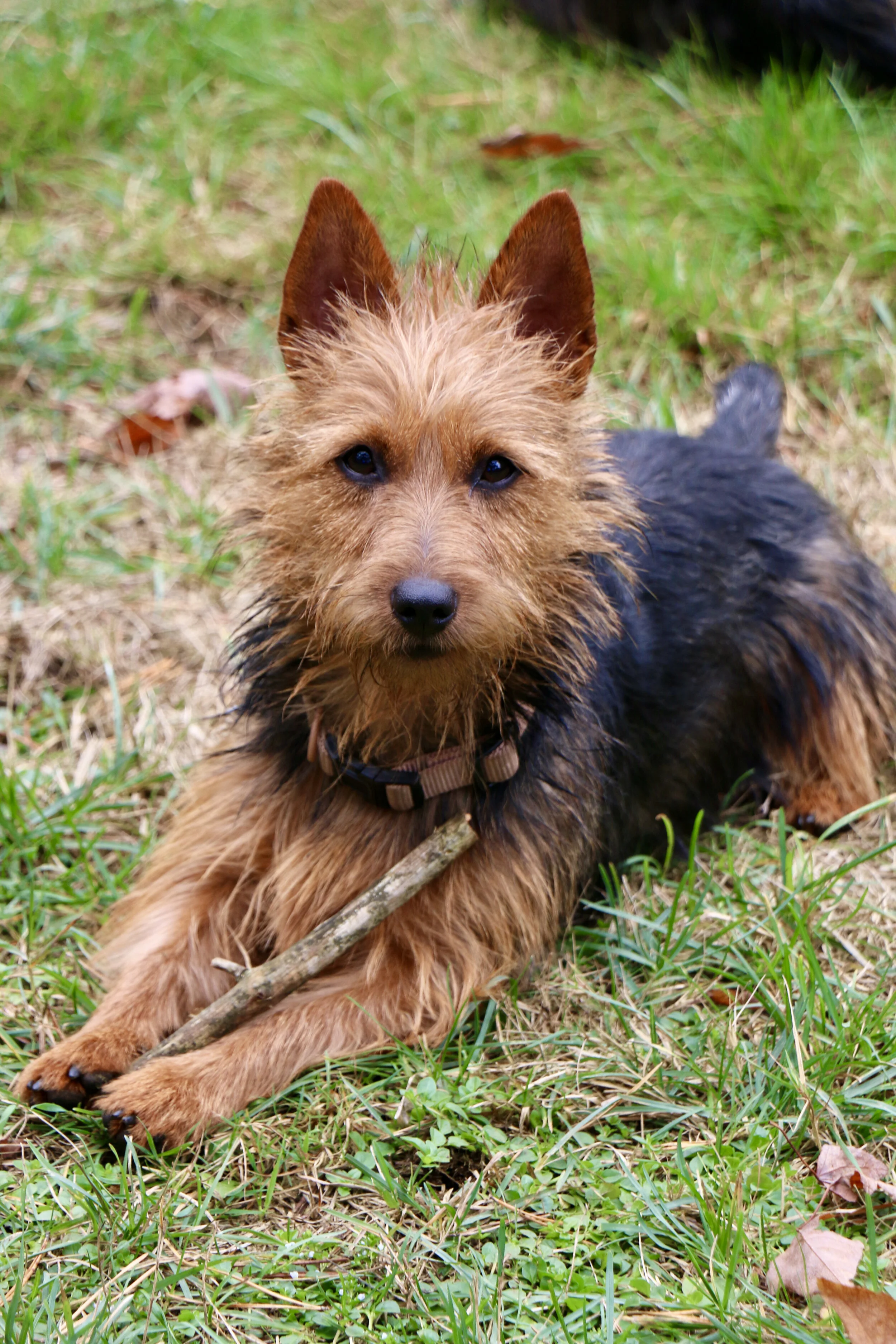
The following is a repost of Hemopet’s discussion on Calcium and Phosphorus ratios. The article is for the advanced student who is well informed with Natural Rearing. I would not recommend a novice simply winging it when feeding their dog a “homemade diet.” Another source that is quite good is Dr. Pitcairn’s, “Complete Guide for Natural Health for Dogs & Cats.” The link to the book is on my Diet & Nutrition page.
Balancing Calcium and Phosphorus for Dogs
February 19, 2021 / Nutrition / By Hemopet
Dr. Dodds and Hemopet advocate for the advantages of properly-balanced and prepared homemade meals for companion pets. Indeed, these include the fact that companion pet parents can control and choose ingredients, customize for age and health, and modify according to any food sensitivities and intolerances.
Yet, we understand why some veterinary professionals are concerned about homemade diets for their pet companion. And, yes, we agree with their concerns. That is why we encourage companion pet parents to work with reputable and experienced veterinary/animal nutritionists.
With that being said…what is their concern? For many, it can be the very complex mineral assessment that veterinary nutritionists need to consider for our pets, namely: The Calcium:Phosphorus Ratio.
The essential minerals of calcium and phosphorus need to be delicately and accurately balanced relative to each other. Both calcium and phosphorus are provided through foods, but an excess or a deficiency of one or the other can lead to deleterious effects on the body and health.
Vitamins D2 and its active form, D3, compound this issue of mineral balance. Their role is to enable proper absorption and uptake of calcium and phosphorus, as well as assist with other calcium and phosphorus functions in the body.
Compounding the issue even further is how the two vitamin Ds are given. Vitamin D3 (calcitriol) is not nutritionally accessible and must be added as a supplement. It is available only through sunlight, which is often insufficient these days with depletion of the ozone layer and pollution, and by supplementation. Vitamin D2 (calcidiol) needs can be achieved through dietary means.
Further, the function of vitamin D is complicated by the nature of its absorptive aid properties. Vitamin D aids the intestinal absorption of calcium, and helps ionized phosphorus (i.e. phosphate) be reabsorbed back into the bloodstream from the small intestine and kidneys.
The parathyroid gland and fibroblast growth factor 23 (FGF-23) also play important roles.
Indeed, the interactions of calcium, phosphorus and vitamin D can result in a variety of metabolic, biochemical and physiological outcomes.
Yes; it surely is confusing and complicated.
The optimal dietary calcium to phosphorus ratio in dogs should be 1.2:1 to 1.3:1. The ratio appears small, but it is significant. So, we thought we would give you two easily digestible conditions (pun intended) that illustrate the effects an imbalance of calcium and phosphorus can cause.
Calcium Excess
An easy example of excessive calcium intake is rickets-like signs in puppies or young dogs. Puppies will experience:
Bone deformation or bowed limbs
Bone pain and swelling
Fractures
Stiff gait or limp
Typically, we see rickets-like conditions with dogs fed only all-meat diets.
The remedy? Rickets-like symptoms in dogs can be reversible if caught early enough. Basically, a companion pet parent needs to balance the calcium to the phosphorus intake and add a vitamin D supplement.
Excess Phosphorus
Nutritional secondary hyperparathyroidism is an excess of phosphorus compared to calcium in the diet. When phosphate levels are maintained at untenable levels in the blood or are unmatched by sufficient calcium intake, calcium in the blood drops causing hypocalcemia. Low serum calcium, in turn, signals the parathyroid to call upon the calcium in bones to replenish what is missing in the blood. The demineralization of bones cause weakness, possible fractures and neurological dysfunction.
Again, the cause can be attributable to dogs fed only all-meat diets.
The Takeaway
Bear in mind that the two examples provided here are simple. There could be more complex and underlying conditions causing excessive or insufficient levels of calcium or phosphorus. These examples demonstrate the importance of dietary balances (particularly of minerals like calcium and phosphorus), and how easily dietary imbalances can result in health conditions.
References
Barber, Penney. “Nutritional Secondary Hyperparathyroidism.” Vetlexicon, Vetstream, www.vetstream.com/treat/canis/diseases/nutritional-secondary-hyperparathyroidism.
Brooks, Wendy. “Calcium Phosphorus Balance in Dogs and Cats .” Veterinary Partner, VIN, 5 June 2019, https://veterinarypartner.vin.com/default.aspx?pid=19239&id=4952674.
Grünberg, Walter. Disorders Associated with Calcium, Phosphorus, and Vitamin D in Dogs. Merck Veterinary Manual, Mar. 2018, https://www.merckvetmanual.com/dog-owners/bone,-joint,-and-muscle-disorders-of-dogs/disorders-associated-with-calcium,-phosphorus,-and-vitamin-d-in-dogs.
Moe, Sharon M. “Disorders involving calcium, phosphorus, and magnesium.” Primary Care vol. 35,2 (2008): 215-37, v-vi. doi:10.1016/j.pop.2008.01.007, https://www.ncbi.nlm.nih.gov/pmc/articles/PMC2486454/.
Schaefer, Carmenn, and Richard E Goldstein. “Canine primary hyperparathyroidism.” Compendium (Yardley, PA) vol. 31,8 (2009): 382-89, https://pubmed.ncbi.nlm.nih.gov/19866445/.
Shaker JL, Deftos L. Calcium and Phosphate Homeostasis. [Updated 2018 Jan 19]. In: Feingold KR, Anawalt B, Boyce A, et al., editors. Endotext [Internet]. South Dartmouth (MA): MDText.com, Inc.; 2000-. Available from: https://www.ncbi.nlm.nih.gov/books/NBK279023/.
Stillion, Jenefer R, and Michelle G Ritt. “Renal secondary hyperparathyroidism in dogs.” Compendium (Yardley, PA) vol. 31,6 (2009): E8, https://pubmed.ncbi.nlm.nih.gov/19746344/.
The Pandemic Dog Numbers Are Through The Roof!
Impulsive adoptions from nonprofit rescues and shelters, along with purebred dog puppy buyers, are flooding the US market…
The Marketplace is the AKC's shopping center for AKC registered puppies, which has recently reported that during the pandemic, visits were up 82%! For July 2020 alone, there were more than 2 million visits to the AKC Marketplace. Wow, that is a lot of people searching for a puppy.
These numbers are astonishing but do they bode well for dogs? The AKC September 2020 Delegate Meeting Minutes have disseminated the following stats:
For the eight months ending August 31, 2020, in comparison to the same period in 2019, year-to-date litter registrations are almost 186,000. Moreover, the month of August 2020 was 14% better than August 2019 and is AKC's best month since 2009.
According to the AKC Board Meeting Minutes for August 2019, there were approximately 131,500 total litters processed to date. So, it appears that we currently have an increase of 54,500 purebred dogs compared to the same time in August of last year.
My concern is what goes up must come down, and I am worried about the fallout. What happens when a portion of the increased dog population results in increased animal shelter populations?
We can only hope that reputable AKC breeders educate the public about their breed and are carefully vetting homes because undeniably, there are countless dog brokers, profiteers, and unscrupulous individuals who are not doing so. But soon, we all will have to deal with the consequences of this explosion. It could be disastrous with record numbers of dogs being abandoned at shelters or pounds, providing added fuel for the Animal Rights Activists and more legislation.
For decades, I have maintained that the general public should be held accountable for most animal shelter populations and not Breeders. We live in a throw-away society, a disposable society that initially demands instant gratification, and time and again, the general public obtains a dog on impulse. When was the last time you read that a Breeder abandoned a litter of puppies at the shelter? Instead, you may have read that a careless dog owner had an accidental mating and dumped the whole lot at the pound. I maintain that our culture is to blame.
Look what is happening now. Impulsive adoptions from nonprofit rescues and shelters, along with purebred puppy buyers, are flooding the US market. I know this all too well as I have fielded at least 130-150 puppy inquiries from March 1, 2020, to October 1, 2020. Great? No. Of these inquiries, 95 percent could not provide the ideal home for my giant, athletic, galloping Sighthound breed. Yet, these prospective puppy buyers exclaimed that they had done the research and knew all they needed to know about the breed. After answering several questions, it quickly became apparent that they had done no such thing, nor could they provide necessary fenced acreage. Then there is always the small but concerning segment of people who blatantly lie.
But, back to shelters and an ominous future. Once these "pandemic dogs" obtained on a fanciful notion are regarded as a hassle, maybe requiring special care, training, or have grown too big, they will then be abandoned at a shelter. When we slowly return to a normal lifestyle again, how long do you think the stressed-out soccer, tennis, baseball, taxi Mom with three kids under the age of 10 will tolerate the families large, mixed-breed dog they obtained during the pandemic surfing the kitchen counters and romping through the dining, living room? Even more dramatic, how long will she endure if the dog becomes ill and has nasty bouts of diarrhea, for example? How patient will she be if it is on the kid's toys, at the foot of her bed, all the while trying to get the kids out the door to school and herself to work?
It is widely reported by nonprofit rescues, shelters that they have not been able to satisfy the enormous surge in adoptions. And the numbers speak for themselves about the purebred marketplace. Be afraid, be very afraid of what may be coming soon.
Saving Sighthounds from Anesthetic Drug Death
Saving Sighthounds from Anesthetic Drug Death! Due to Sighthound’s peculiar quirks, they have a potentially life-threatening, slow recovery reaction to and from anesthetic drugs.
There have been a proportional number of sighthounds who have died on the operating table, especially Greyhounds, Scottish Deerhounds, and Irish Wolfhounds, and or who have had significant difficulty awakening from anesthetics….
This article is important for Sighthound owners and most certainly applies to Wolfhounds. The original article can be found here.

The locomotion of the long, lean muscles of running Greyhounds is simultaneously elegant and breathtaking. Like other ancient sighthound breeds hardwired to pursue prey by speed and sight, the Greyhound has idiosyncrasies that include having a potentially life-threatening, slow recovery from anesthetic drugs.
Identifying gene mutations responsible for breaking down, or metabolizing, commonly used drugs in Greyhounds and other sighthound breeds is the focus of research underway at Washington State University. Lead investigator Michael Court, BVSc, PhD, professor and the William R. Jones Endowed Chair, says the goal is to develop a drug sensitivity test from saliva, urine or blood that will identify dogs with a slow drug metabolism of certain drugs.
“This would allow a veterinarian to make dose adjustments or select an alternative drug for optimal drug treatment,” he says. “A personalized or individual approach to drug selection would be the ideal outcome for affected dogs.”
A veterinary anesthesiologist who has worked in research since 1983, Dr. Court is revolutionizing a cocktail drug phenotyping approach to use in dogs that will enable several drugs to be tested at the same time to determine their metabolism ratio in the body. The test would produce results classifying a dog as a slow, normal or fast metabolizer for a specific group of drugs.
“The original problem drug in sighthounds was a barbiturate, thiopental, which is used to induce anesthesia,” Dr. Court says. “Greyhound owners in Australia and the U.S. reported that it took their dogs 48 hours to stand unassisted after having thiopental anesthesia. Although thiopental is no longer used in the U.S., its use continues in most of the world. The replacement drug in the U.S. is propofol, though even with this drug, recovery in Greyhounds can be double what is normal, taking 40 minutes instead of 20 minutes.”
Since all of the problem anesthetic drugs are highly fat-soluble, the sensitivity of Greyhounds and other lean-bodied sighthounds to these drugs was originally thought to result from a reduced ability of their tissues to “soak up” the drug, keeping it away from the brain. However, more recent work has implicated a reduced ability of the dog’s liver to break down and remove the drug from the body. Specifically, there appears to be deficiency of an important drug metabolism enzyme, called cytochrome P450 (CYP).
“Using a candidate gene approach to identify gene mutations in Greyhounds that decrease anesthetic drug metabolism, we found two mutations that may explain the slow metabolism,” says Dr. Court. “One is a mutation in one of the CYP (CYP2B11) genes, and the other is in a gene for an enzyme needed for CYP to work efficiently, called P450 oxidoreductase (POR). Together, these drug-metabolizing enzymes make the drugs more water soluble, so they can be easily flushed out through the kidneys.
“Both mutations are found primarily in Greyhounds and some sighthound breeds. Rarely in non-sighthound breeds.”
Developing A Novel Drug Sensitivity Test
The sighthound adverse drug reaction research, now in phase two, focuses on developing a cocktail drug phenotyping test. Funding of $172,765 for the two-year study that began in June 2018 is provided by the AKC (American Kennel Club) Canine Health Foundation. Phase one of the research, which ran from 2016 to 2018, received funding of $150,000 from the AKC Canine Health Foundation. This work involved functional studies of the mutations in the laboratory.
“The AKC Canine Health Foundation is committed to advancing a future for personalized medicine for canine patients,” says Dr. Diane Brown, CEO of the AKC Canine Health Foundation. “We consider Dr. Court’s work in this area as an important series of first steps toward that future, and have dedicated funding to these efforts since 2016.”
Although the adverse drug reactions in sighthounds is similar to the MDR1 gene mutation in herding breeds that causes a neurotoxic reaction to ivermectin and other drugs (see below), there are differences. While the mutations in sighthounds dramatically reduce the function of the enzymes, they do not wipe them out, as occurs with dysfunction of the P-gp transporter protein in herding breeds.
“These are two different processes with the same goal, essentially trying to limit the amount of a drug that gets into the body,” Dr. Court explains. “P-gp keeps drugs out of the body, and especially the brain, by pumping the drug out. Drug-metabolizing enzymes like CYP2B11 make drugs in the body water soluble, so they can be easily flushed out, usually through the kidneys. The slow metabolism also changes the drugs chemically so they often lose their effect.”
Stephanie Martinez, PhD, a postdoctoral research associate in the Veterinary Clinical Pharmacogenetics Laboratory at Washington State University, is working with Dr. Court on the sighthound research. “In the first two-year study, we saw a significant loss of enzyme function from the mutations when we tested them in the lab,” she says.
In May 2018, Dr. Martinez adopted two retired Greyhound racers, “Seamus” and “Otis.” As a new Greyhound owner, she relates to concerns about having her dogs anesthetized for even a dental cleaning procedure. “To be honest, I am a little nervous to put them under anesthesia,” she says. “I had them genotyped right away. Both are heterozygous for one of the anesthesia adverse reaction mutations, which means they have one copy of the mutated allele, though I do not know how significantly they are affected.
“In addition to the delayed anesthesia recovery issues, some sighthound breeds like Scottish Deerhounds and Greyhounds experience bleeding issues that occur 24 to 72 hours after surgical procedures. We think it is caused by a genetic mutation that causes the blood clot to break down prematurely. Otis is homozygous for a candidate gene we’re currently investigating, which means he may experience postoperative bleeding problems.”
A separate study of delayed postoperative bleeding, funded in part by the Scottish Deerhound Club of America, is underway in conjunction with the anesthesia research. The team is seeking DNA samples from sighthounds that experienced delayed bleeding 24 to 72 hours after surgery, as well as DNA from littermates of dogs that died from this condition.
The cocktail drug phenotyping research involves testing 12 dogs with three drugs to evaluate their rate of metabolism. “The drug cocktail includes an antidepressant, which we believe will be metabolized slowly in dogs with the mutation, because it is only metabolized by CYP2B11,” Dr. Court explains. “The other drugs are an over-the-counter acid reducer and a cough suppressor. These latter two should be metabolized normally in dogs with the mutation because they are metabolized via other CYP enzymes.”
Currently, the research team is working to ensure that the three drugs can be safely given at low doses together without interfering with one another. They also want to be sure the saliva concentrations of the drugs and metabolites match the blood and urine concentrations so that saliva can be used for the test.
“The power of this approach is that we can readily test hundreds of dogs,” says Dr. Court. “Once we have this cocktail phenotyping test worked out, then we plan to use it in dogs with and without the mutations to show that the metabolism of the CYP2B11 enzyme is slow, but metabolism of the other CYP probes is normal.
“Ultimately, owners could perform a saliva test at home that would determine the ability of individual dogs to handle drugs that could be affected by rare mutations, even those not yet discovered,” he says. “The impact of non-genetic factors, such as age, disease, diet, and environment, on drug metabolism would also be detectable by this novel drug sensitivity test.”
“I hope that owners of sighthounds will not have to worry when their dogs need to undergo necessary medical procedures,” Dr. Martinez says. “The potential of being able to proactively customize drugs used for anesthesia for individual dogs to reduce the risk of slow recovery or identify a dog that is prone to a fatal bleeding problem and ensure they get lifesaving drugs is exciting.” n
Sighthound Owners Can Contribute to Research
Researchers at the Program in Individualized Medicine (PrIMe) at Washington State University are seeking DNA samples from sighthounds for two separate ongoing studies. One study is examining adverse drug reactions to anesthesia, and the other is investigating delayed postoperative bleeding. For information, go to https://prime.vetmed.wsu.edu or send an email to courtlab@vetmed.wsu.edu.
To read the abstract of the adverse drug reaction grant that is funded by the AKC Canine Health Foundation, go to: https://bit.ly/2FG1vjh. You also may donate to this research via the link.
MDR1 GENE MUTATION IN HERDING BREEDS TIED TO ADVERSE DRUG REACTIONS
The discovery in 2001 of a mutation in the MDR1 (multidrug resistance) gene in Collies and other herding breeds that causes a neurotoxic reaction to ivermectin, a parasitic preventive, provided insights into treating affected dogs. It also initiated the use of pharmacogenetics to determine how an individual dog’s genetic makeup impacts its response to drugs.
Katrina Mealey, DVM, PhD, DACVIM, DACVCP, professor and the Richard L. Ott Endowed Chair in Small Animal Medicine and Research at Washington State University, identified a 4-base pair deletion mutation in the MDR1 gene that causes a stop codon prematurely terminating P-glycoprotein (P-gp) synthesis.
“The MDR1 gene encodes the P-gp transmembrane protein that functions in a protective capacity by transporting a variety of drugs from the blood-brain barrier into the body,” explains Dr. Mealey. “Dogs with the MDR1 mutation do not have this protective barrier. Thus, drugs like ivermectin can cause toxic reactions that result in debilitating illness and even death.”
In the affected dogs, high concentrations of ivermectin accumulated in their brain tissue after a single dose of the drug. Since ivermectin is processed from the brain through P-gp into the body, Dr. Mealey hypothesized that ivermectin-sensitive collies had altered MDR1 gene expression.
Her research led to the MDR1 gene mutation discovery and development of a genetic test that is available through the Veterinary Clinical Pharmacology Laboratory at Washington State University (www.vcpl.vetmed.wsu.edu). A DNA cheek swab test that identifies a dog’s phenotype for the mutation can be ordered and processed for $60.
The autosomal dominant gene mutation impacts homozygous and heterozygous affected dogs. Dogs that are homozygous inherit two copies of the mutant allele and pass one copy of the defective gene to their offspring. Homozygous dogs are more likely to have severe, life-threatening drug reactions.
Affected dogs that are heterozygous have one copy of the mutant allele and one copy of the normal allele, meaning they have a 50 percent chance of passing the defective gene to their offspring. These dogs have less severe adverse drug reactions compared with those that are homozygous.
The MDR1 mutation primarily occurs in herding breeds. Affected dogs are thought to be descendants of a single dog that lived in Great Britain in the early 1800s before breeds were selectively bred. The mutation also occurs in two sighthound breeds, the Longhaired Whippet and Silken Windhound, believed to share a collie ancestry. Mixed breeds — any dog with a herding breed in its ancestry — may be at risk for drug toxicity.
“As a pharmacologist, the most fascinating aspect of the MDR1 gene mutation is the sheer number of drugs that are affected by a single gene mutation,” Dr. Mealey says. “Not all drugs must be avoided in dogs with altered P-glycoprotein function. Many drugs can be used safely with no need to alter the dose.”
However, adverse drug reactions involve over a dozen different drugs. The most serious adverse drug reactions involve antiparasitic preventives, such as ivermectin and milbemycin, the antidiarrheal medication loperamide (Imodium®), and several anticancer drugs, including vincristine and doxorubicin.
Since the genetic test was first offered in 2004, there has been a reduction of the mutation in some breeds via selective breeding. Importantly, identifying dogs with the P-gp dysfunction allows veterinarians to decrease the drug dose or consider alternate drugs to avoid a potentially fatal drug reaction.
Breed Frequency of MDR1 Gene Mutations1
Breed Approximate Frequency
Collie (Rough- & Smooth-Coated) 70 Percent
Longhaired Whippet 65 Percent
Australian Shepherd 50 Percent
Miniature Australian Shepherd 50 Percent
McNab Shepherd 30 Percent
Silken Windhound 30 Percent
English Shepherd 15 Percent
Shetland Sheepdog 15 Percent
German Shepherd Dog 10 Percent
Herding Breed Cross 10 Percent
Mixed Breed 5 Percent
Old English Sheepdog 5 Percent
Border Collie <5%
1Veterinary Clinical Pharmacology Laboratory at Washington State University (www.vcpl.vetmed.wsu.edu)
Drugs Affected by the MDR1 Gene Mutation1
Drug Category Drug
Analgesic/Sedative Acepromazine
Butorphanol
Antibacterial Erythromycin
Antiparasitic* Doramectin
Ivermectin
Milbemycin
Moxidectin
Selamectin
Chemotherapeutic Doxorubicin
Vinblastine
Vincristine
Vinorelbine
Paclitaxel
Antidiarrheal Loperamide (Imodium®)
*Note that giving dogs FDA-approved heartworm preventive products according to the recommended doses is safe, even in dogs with the MDR1 mutation.
1Veterinary Clinical Pharmacology Laboratory at Washington State University (www.vcpl.vetmed.wsu.edu)
Truth and Consequences
The truth is that most companion owners who are not well versed in sighthounds do not understand, appreciate nor have deference for their sighthound’s instinctual prey drive. However, there can be consequences for their ignorance.
Scene One:
The proud, new owners of an Irish Wolfhound puppy visit their local dog park to socialize and exercise their newest family member. Over time, the pup is trained to the basic commands of sit, stay, down and recall. Ideally, these novice owners were also properly educated on and appreciate what we veterans recognize as the typical "I'll think about it" hound response to training. That is to say the momentary, delayed reaction to almost all commands as the hound deliberates before fulfilling any instructions given to them. Incidentally, I believe that our hounds eventually do as we ask not to please but because they merely tolerate our requests.
Scene Two:
Fast forward in time and the much-loved wolfhound, no longer a puppy, is very familiar with the dog park, having enjoyed the recreation and fraternizing for quite a while. Ultimately, some time ago, the owners believed they could trust their wolfhound, especially since the hound had not demonstrated worrisome disobedience nor an intense interest in chasing other dogs. As a result of his continuing good behavior, the gentle giant engages in off-lead play time, happily galloping and casting around for new scents.
Scene Three:
Today, a new dog comes to the park. Although there is a segregated area for small dogs, this leashed newcomer accompanied by his elderly owner, cheerfully trots into the big dog park through the double gated chain-link entrance. In the distance, our wolfhound previously occupied with a Golden Retriever buddy has now become keenly aware of the new presence. The wolfhound's owners who are yards away may notice, but are unknowing of sighthound body language. Veterans know the warning signs and understand what I gently coined ‘intense interest’ as actually ‘the look of death.’ A marked attentiveness usually, but not always, accompanied by rigidity of carriage, and lowering of the neck and head while the limbs crouch ever so slightly before launching into action.
Scene Four:
The wolfhound's owners react too late and are yelling their recalls that quickly turn into panic as they watch their hound, disregarding their commands, bear down on the small dog. Realistically, though just about any person’s reaction, unless one is nearby and can dive through the air and onto the Hound, will be too late for a swift gazehound. Meanwhile, the elderly woman is frozen with fear as the strange, giant hound gallops full speed towards her little dog. She does not turn and flee back through the gate in time.
Final Scene:
Amid all the tremendous sobbing and shouting, the elderly woman looks on as her dog lay lifeless. She too possibly has fallen after being hip checked by a 150-pound flying wolfhound body. The police are called, and animal control arrives to seize the giant sighthound whose only crime was having an innate response to stimuli. That being a strange little dog that appeared to the wolfhound as being a lot like prey. What fate lies in store for this poor sighthound depends on municipality ordinances, regional social attitudes, and the sympathy, if any, of the court. Certainly this hound is not to blame because his instinctual drive overrode any supposed clicker training, and sadly, he could pay the ultimate price— with his life.
Truth: The above scenario is certainly not preposterous nor unimaginable. I know first-hand that such a plot can happen, but my ending was significantly more fortunate. Though the setting was different, a long time ago I had a wolfhound run down two small dogs, harming one before I was able to intervene. My self-prescribed penance was the $700.00 in surgical costs as I was profoundly grateful that no lives were lost, as a result of the incident. Fundamentally, the essence of an instinct is any performed behavior that is not based on prior learning. Hard-wired prey drive is an inborn complex behavior and most sighthound breeds, many with origins dating one or more Millennium, once specialized in independent hunting and dispatching of Game. Indeed, this inherent ability is still well and strong today. In fact, this faculty has proven to be very surprising, though it should not have been, to breed fanciers and novice enthusiasts involved with the rehoming of wolfhounds. I am aware of a few rehomed Irish Wolfhounds who, allegedly, had not previously demonstrated any prey drive. Nonetheless, after the original owners placed their hounds for common excuses, such as finances, relocating, or divorce; these hounds' natural prey drive emerged, especially as they were highly stressed and they went on to dispatch neighboring dogs.
Consequences: There are possible aftermaths stemming from the above hypothetical dog park scenario. Court cases do exist involving dogs sentenced for euthanasia by the legal justice system for killing another domestic animal. One recent case involved two medium-sized dogs, who after having killed their neighbor’s cat, were both condemned by a Court Judge to be destroyed. Only after circulating a petition garnering over one hundred thousand signatures and the family retaining an attorney were the dogs granted a repeal, but the conditions required relocating them to another area.
The truth is that most companion owners who are not well versed in sighthounds do not understand, appreciate nor have deference for their sighthound’s instinctual prey drive. Many novices confuse this drive with the passive aggressive scent hunting attributes displayed by our other hound brethren, and mistakenly believe that prey drive can be trained away. Such as the prospective young admirer who recently contacted me for a wolfhound. Though an initiate in both breeds, she is an advocate of compliance training to resolve potentially high prey drive. Because she has insufficient acreage, she proposes exercising a wolfhound on another property. She writes, “I understand your concerns with the Wolfhound’s prey drive. Our Bloodhound has a very strong drive to run (because of that darn nose), but he was properly trained and knows better. However, with the right training and guidance, I feel we will have no problems. If I can unleash a bloodhound on a 60-acre farm and know that he will not go out of my sight because of our training — then I feel confident that we can do the same for a Wolfhound.”
Any seasoned sighthound fancier is aware that gazehounds have specialized attributes. Galloping hounds live to run and when they are in flight mode, both their speed and focus are simply amazing to observe; so long as their pursuit is performed in a safe location. Rarely can you instantly call off sighthounds while they are chasing live game or prey. I explain to newcomers that the hound enters a different zone or realm. While he is fixated on the quest, neither recall commands, whistles, clickers or shouts will break him off from a hunt. That is until his concentration wanes or is broken, especially if chasing white-tailed deer. Often though and quite tragically, their focus is interrupted by other means such as an automobile and, by then, it is too late.
Prey drive must be respected at all times, and even the most experienced fanciers can make mistakes. I recall one such time when I sat down ringside next to a woman with a reclined, relatively relaxed greyhound. Accompanying me was my 17-pound Australian Terrier who jumped on my lap and within seconds, the greyhound shot up and snapped connecting with my terrier's muzzle. Given that this occurred while we were seated and not while on the ground where the greyhound could have broken the terrier's neck was extremely fortunate. The terrier being a terrier shook it off and, of course, the only one to blame was me for disrespecting the Greyhound's prey drive and momentarily letting my guard down.
Before I go on, I acknowledge that the degree of prey drive can vary in singular sighthounds of the same breed, just as individual people have varying measures of aggressiveness. In my experience, I have had littermates with fluctuating levels of prey interest. Several demonstrating a keen interest in cats and small dogs, and a few that could mingle safely with them. Interestingly, at one time or another, I even have had one or two wolfhounds that would not leave my side, no matter the inducement. However, in my experience, this is very, very rare. That is not to say that a giant or large sighthound cannot successfully co-exist with small dogs or cats. For the past nine years, an Australian Terrier matriarch has governed our home. She imprinted on and raised each wolfhound out of the whelping box. Nonetheless, we have management protocols in place to protect her and exercise strict precautions, largely during feeding or when the hounds are roughhousing. Despite the presence of this queen who commands respect, some of our hounds demonstrate an interest in other, off-site smaller dogs. As a result, we tread carefully, and our hounds are not off-lead in public areas.
We, breeders, receive numerous queries and more often than not these potential owners have ambitious plans to exercise their sighthounds on public lands, dog parks or trails. At the outset, this may sound well and good, but new owners become complacent not believing or knowing that sighthound behavior can change instantly. Misplaced trust in a sighthound can result in sad endings. I'll soon not forget an AKC Gazette breed column written years past by veteran Scottish Deerhound fancier, Joan Shagan. A story that always stuck with me, she recounted an incident involving her 8-year old Deerhound, who accompanied her on a trip. During their travels, they stopped off to overnight at a friend's home. Upon arriving, the Deerhound vacated his bladder and returned to her as usual. Later that dreary rainy evening, Joan lets her cherished Deerhound outside. As she waited and watched, he began trotting away down a path and soon was gone. Without even a backward glance, the old Deerhound disappeared from his beloved owner into the gloom and kept on going. In the wee hours of the morning, and only after a long, sleepless night for all, the Deerhound -- wet, cold and frightened -- was discovered several miles away by a stranger and was thankfully identified by his microchip.
It goes without saying that this story's ending could have been much different as even the author expected to find her Deerhound collapsed, trapped, dead or dying. Mysterious behavior is not unheard of as those who are long versed in sighthounds know that these breeds can behave eerily. I once had a wolfhound slip out a gate and started trotting away down the road. She paused at my recalls, looking over her shoulder at me with an odd expression -- as if she did not know me -- and then continued away. We were able to secure her safely, but it was a look I had seen before throughout the decades in other Wolfhounds who have gotten loose at specialty shows. Unhappily, at one point in time or another old hand breeders, such as myself, have participated in search parties at specialty or all-breed shows to look for a spooked sighthound that has run off. We know full-well the resulting sorrow it can bring. I have endeavored to describe this meaningful glance to newcomers, but the majority of people do not get it.
I recall a particularly memorable and tragic tale that continues to haunt me in spirit, involving a hound that I knew very well. After having returned from a dog show, a wolfhound bitch ran away from a Handler and through a driveway gate that was not secured. Despite searches, even the use of a psychic, she was not recovered. The bitch's owners also retained the services of a bloodhound trained in trailing lost dogs who allegedly followed the wolfhound back to her home's open driveway gates. She had found her way back home, seemingly close enough to view and hear all her kennel mates who also may have seen or smelled her and who would have most likely been calling to her. However eerily, she turned and ran off, disappearing forever and reportedly, without any further sightings. Why this Wolfhound found her way back home but mysteriously left, we will never understand.
Suffice to say, if events such as these can befall hardened hound enthusiasts, it certainly can happen to novice owners. I believe it is important to educate new owners to sighthound flight tendencies and their typical reaction when spooked. Sighthound personalities can change if they are experiencing an immediate and continuous state of fright. For example, a frightened Irish Wolfhound runs away from and not towards humans as this is a natural reflex because the hound remains highly stressed and panicked. In contrast, a lost Labrador Retriever having a different temperament will approach strangers — friends or foe.
When introducing the subject to prospective sighthound owners, it is important to emphasize that if a sighthound is loose, frightened or lost it may be difficult to entice, lure or capture them again. In some cases, it has taken several weeks despite search parties, countless flyers, social media alerts, and radio announcements. In short, they can transform into flight hounds. One often overlooked consideration is the sighthounds impressive size and the subsequent reaction to such. Although those familiar with these breeds understand they are gentle towards people, the majority of the public may be shocked, frightened or just plain nasty and unkind. Some may even call the police who might shoot the strange, huge dog. When encountering a large loose sighthound, people might respond by shouting, gesturing angrily at them, or possibly throw objects which further terrorizes the hound. I recall a sad incident several years ago while attending the Rhodesian Ridgeback National Specialty. After a Rhodesian Ridgeback puppy had become startled, he escaped from his owner and ran off. At one point, he reportedly was seen at the back of the hotel, near the rear kitchen and garbage areas but was waved and scared off by an employee. Though there was a collective search, he was not found alive after apparently being struck by a vehicle.
I am quite accustomed to the commotion a giant breed creates as I have lived in a year-round resort for over 33 years where we regularly socialize our leashed Irish Wolfhounds around the village tourist areas. The reception they experience ranges from people exclaiming their beauty and wanting to touch them, to a few screaming in fear. The latter has surely happened on occasions and from time to time children recoil or run at the sight of them.
As I write this article, I received a phone inquiry for a wolfhound from a family whose one and half-year-old wolfhound is dead. After recently moving to a new home that was not yet fenced, the wolfhound, while unleashed outside with the grandchildren ran out and was hit by a car. Several weeks later and still deeply upset, these strangers contacted me to inquire about a puppy, even then though they had no definitive plans in place for installation of proper fencing. It goes without saying that I would not place any hound with such irresponsible and reckless people. Yet, how very sad and wasteful that such a special breed is bordering on expendable and plainly seen as replaceable. As breeders, we cannot control every aspect of our hounds future life with a loving family. However, it is my policy to counsel owners on the 'what if' scenarios, such as moving to a new home, and every necessary precaution that must be made beforehand and during these stressful times. All to ensure the safety and well-being of the hound, leaving nothing to chance.
Though the above casualty did not involve my breeding, I too once had a novice owner with one of my hounds relocate with terrible consequences. The people transferred to another state and purchased a sizable farm. They did not safeguard their hound by erecting fencing before moving into their new home, and shortly afterward, their beloved wolfhound was killed. However, his demise differed from the above incident — it came at the end of a rifle. The wolfhound was shot and killed while wandering on his new farm. You see, the new neighbors did not care if the hound was friendly or not. Though his death was both violent and indefensible, in some states there are statutes allowing farmers to shoot a dog while he is roaming unattended if there is a claim the dog was attacking livestock. In some states, ordinances permit a farmer to pursue a dog away from the livestock and then shoot him. Short of having an eyewitness to defend the dog, there is no way of disproving a neighbor or farmer's allegations, except if the dog were slain in a secure, appropriately fenced area.
Subsequently, there may be no legal implications for the assailant such as animal cruelty charges. Even if there is a conviction, it is a small measure of comfort, and it will not bring your devoted friend back. What a pathetic and appalling way to perish for such a beautiful animal.
Sighthound Necessities
The Importance of Free Exercise for Large Sighthounds
Sighthounds love to gallop, to chase and stretch out. They experience unmistakable, sheer glee as they are bending, folding and leaping. You can see it in their expression. So, why is it that so many of these admirable Sighthounds are found living in unsuitable homes, having little or no fenced, secured acreage?
The Importance of Free Exercise for Large Sighthounds
Sighthounds love to gallop, to chase and stretch out. They experience unmistakable, sheer glee as they are bending, folding and leaping. You can see it in their expression. So, why is it that so many of these admirable Sighthounds are found living in unsuitable homes, having little or no fenced, secured acreage? As responsible fanciers and hobbyists, fulfilling their needs should be a primary concern when we place our hounds in their new, permanent homes. Our stewardship of these unique breeds obliges us to proceed with utmost care and concern while considering a new home.
I am not an elitist who snubs a potential puppy owner, turning up my nose at those whose accommodations are not ideal for our Sighthounds. On the contrary, I encourage them to contact me so that I may educate them about the exceptional needs and characteristics of our breeds. More importantly, though, I am aware that urban population growth has changed significantly over the past 60 years in our nation. We all live in an evolving landscape. "Metropolitan areas are now fueling virtually all of America's population growth," as reported in the Washington Post by Emily Badger. In an interesting article, unwittingly she corroborates what many conscientious breeders have realized, that ideal Sighthound companion homes are harder and harder to find. Small population centers with less than 50,000 people have had infinitesimal growth changes. Rural populations have dwindled. Today, one in three Americans lives within the metro areas of 10 cities — or just a few spots on the nation's map. The relevancy of the census data must not be under-appreciated, as this means that, slowly but surely, there are fewer opportunities for us to find homes for our galloping hounds.
The reality I face is that significantly more inquiries than in the past hail from people with no land. From the 36 puppy requests I have received in the past six months alone, 32 (90%) were from persons who did not have what I consider sufficient area to accommodate a Sighthound. Furthermore, this percentage includes some individuals who either currently have or previously owned a Sighthound — from another breeder — in their home.
I readily anticipate the question "How much land does she require?" Ideally, a home for a large breed Sighthound should have at least one acre of property secured with breed-appropriate fencing, but from my experience of three-plus decades in dogs, this often seems like an unrealistic requirement. A bare minimum of half an acre of open land, again properly fenced, not including the house, is my condition. I have received some requests from potential puppy buyers who own half an acre of land that included the home as well as an accessory building; one memorable inquiry offered half an acre of land that included the house, an in-ground swimming pool with a cabana and what appeared to be a Bocce ball court. All that was left was a postage-sized space for the hound to defecate in, without any area to run and play.
I politely refuse to place my large Sighthound puppies in these environments, notwithstanding the usual promises of the on-lead daily exercise that the hound would receive. You must be familiar with this type of dialog. A potential owner asserts that, although there is no acreage for free running, they regularly walk so-and-so many miles and they also live near a park where the hound can be off-lead. Almost all of us understand that Sighthounds are not candidates for off-lead running on public grounds. Simply, this is a hazardous situation due to their prey drive — a good subject for another article I plan on writing.
As for good intentions and best-laid plans, how many times has life thrown us curve balls? Life has a habit of bringing unexpected, unwanted changes or accidents. If a hound’s principal caregiver is injured or becomes ill, ultimately the hound is handicapped as well. The Sighthound will no longer have lengthy walking excursions to release energy and obtain needed exercise. Likewise, if an owner’s work responsibilities increase, this almost invariably impacts the time spent with the hound on a leash. Regrettably, because the properly fenced acreage was initially sacrificed, the hound does not have an area for self-exercise and running. So, ultimately, he suffers.
Self-exercise for a Sighthound is not only the freedom to stretch out his legs, to leap, twist and turn, all of which releases energy. It also is key to a Sighthound's development, both physical and mental. Strong, hard muscles are vital to proper maturation and longevity, as well as to protecting the body from unwarranted injuries. Secured exercise provides valuable mental stimulation: simply, it is good for a Sighthound's psyche or soul, mind, and spirit. His personality and character can develop to their full potential, which is especially crucial in the powerful, giant Sighthound breeds where it is especially important that they must be even-tempered and well adjusted.
Some may feel that placing companion-quality Sighthounds in a loving home where they receive individualized attention is far better than allowing these hounds to languish in a kennel environment. To a great extent, I agree, but the compromises that some breeders make are worrisome. The trade-offs are unfair and incompatible for galloping hunters bred for running, especially when we hear that Wolfhound puppies are placed in townhomes, not as temporary but as permanent quarters. Where is the line drawn for responsible breeders to reject a potential home?
Others may belittle this discussion by stating that one cannot keep every puppy, and who am I to decide what is enough space for a Sighthound to live on comfortably? Some may claim that leashed exercise is sufficient for our hounds and that many of the hounds exercised only on leash are in better physical condition than a hound with acreage. Now and again, this statement could prove true. Having been a longtime Wolfhound fancier, I know from first-hand experience that, on occasion, some Wolfhounds will not use the available space for running but just sit at the gate. Despite having one hundred fenced acres, there they were, lying on the opposite side of the fence gate waiting for me. On the other hand, Sighthounds living on considerably less acreage may happily explore and bound about their areas.
Today's average homeowner does not have acres of property, in fact, much, much less. For those fortunate to have some but still acceptable amount of property, it can be transformed to accommodate a galloping hound, as long as the homeowner is willing to do so. Indeed, the initial fencing investment is costly, but our sighthound breeds can be expensive. Expenses are a certainty all prospective puppy owners must be prepared for, though, in the end; these hounds are well worth the investment.
Returning to the subject of alternative leashed exercise, I frequently pose this logical question. Which athlete would have the better overall cardiovascular condition? A person who runs or walks daily? Granted, walking is far superior to no workout and also offers benefits. I always recommend puppy owners frequently walk with and socialize their hounds, regardless if they have one or ten acres of fenced land. However, what about the muscle-toning obtained while the Sighthound enjoys fenced but free exercise that is not achieved by just leash-walking? While placing a Sighthound, maybe future fitness is not a priority for some breeders, despite the health benefits. If care, love, and clean accommodations are all that a breeder requires from their puppy owners, they are, in my opinion, doing a disservice to our Sighthounds.
If we cannot respect these breed's noble heritage, why then do we bother having them? There is a myriad of other Group breeds who require only small areas and some exercise who are entirely satisfied residing on the couch. In fact, AKC generates several suggested dog breed lists that correspond to homeowners lifestyles. You can see the links to these from my website page, Irish Wolfhound Breed Character. Several times in these past years, after I called attention to inadequate property conditions and discussed such concerns with a few rational, prospective owners who had fallen in love with the Irish Wolfhound breed, they did, in fact, resist the urge of instant gratification. These people understood my objections; they respected my advice and my decision, recognizing that it would be simply unfair for them to have a giant, galloping hound. As a long-standing breed custodian, a rational resignation like this is one of the best things that I could wish for my wonderful sighthound breed, the Irish Wolfhound.
Meloxicam, Proceed with Caution
The human drug Meloxicam has been routinely prescribed as an off-label nonsteroidal anti-inflammatory drug for canines. It is not without unusual but serious side-effects….
The veterinarian drug, Deramaxx, is a prescription nonsteroidal anti-inflammatory for canines to control pain and to relieve inflammation. However, the drug has experienced fluctuations in both availability and pricing. For example, at the time of this writing, 100mg tablets of Deramaxx is quite expensive. When dosing giant breeds, the usual dose of Deramaxx is 1.4-1.8mg/lb of body weight. An average weight of 150-pounds requiring relief from postoperative pain or inflammation would require almost three tablets daily. Currently, 30 tablets for a 10-day supply is $100-$150.00. If a dog requires long-term usage, 90 tablets, for a 30-day supply can cost $300-$355.00. Either amount is not spare change.
As a substitute, the human drug Meloxicam has been routinely prescribed as an off-label drug for the same purposes. Still, it is not without serious side-effects. Further, two of my Veterinarians over the years were extremely cautious utilizing the drug, and I'd go so far as to say they were reluctant to use it. I have experience using Meloxicam for at least 13 years now on our Irish Wolfhounds; however, recently, one of my Wolfhounds endured the real and severe side effects of Meloxicam. The potential side effects that both of my Veterinarians feared, and admittedly, they were very frightening.
As a preface, I do not allow the use of Opiates, such as Buprenorphine, during surgery as several years before I had a Wolfhound who suffered a severe reaction with life-threatening complications from the opiate. It may be that my Wolfhounds and, therefore, my bloodlines are susceptive to opiates. As a precautionary measure, my veterinarians do not use Buprenorphine on any of my hounds. For more information on my Wolfhound’s specific adverse reaction, please visit my Irish Wolfhound Health Concerns webpage, and scroll down to Drug Interactions. Alternatively, before surgery, we administer Gabapentin, which is a human drug that is used off-label for dogs with chronic pain relief or cancer pain. Postoperative care, we use Deramaxx and Gabapentin for pain relief and inflammation.
Again, it bears repeating that I have been using Meloxicam for 12 or more years without any incident. However, there is always a first time for everything. Kellyanne, our 5-year-old Wolfhound, had undergone surgery recently, and we agreed that she would take Meloxicam for only 4 days post-surgery to relieve inflammation. All went well while she was taking the drug, or so it seemed. Approximately one hour after eating her dinner on the 7th day, Kellyanne was resting when she began to vomit an enormous amount of bright red blood with small debris that appeared to fine in appearance, almost like coffee grinds. Her gums were pale pink, her abdomen was swelling and retaining fluid, and she was somewhat sluggish but no temperature. She then immediately developed black tarry, liquid stools, along with a lack of appetite and general weakness. The black tar stools were the fluid from her abdomen and blood from the ulcerations. Since she had ceased vomiting, the blood was absorbed and eliminated through the intestines.
As for the bloody vomit, well, I have been around a long time, and I must say that I had never seen anything quite like it. It was a frightening scene to see such excessive amounts of fresh blood pouring out of my hound's throat! SEE BELOW PHOTOS
Kellyanne was administered 2 grams twice daily of Sucralfate, which is an oral anti-ulcer drug used to coat ulcers in the gastrointestinal tract to protect them from stomach acid and allow them to heal, which were caused by the Meloxicam. Though she did not continue to vomit, it took Kellyanne five long days for her stomach to improve, her tarry black stools to disappear, and nearly seven days for the abdomen's swelling to dissipate completely. 16 days after surgery, she still is eating somewhat sparingly compared to her once normal, healthy appetite despite my medley of wonderful concoctions and treats.
I cannot stress enough to my Readers to proceed with great caution and understand the risks of using Meloxicam. Despite my long experience with the anti-inflammatory and having no previous issues, I repeat there is always a first time for everything. Kellyanne (150lbs) prescribed dose was one and a half tablets (30mg) once daily for the first two days and then one 20mg tablet once daily for the last two days, all of which wreaked havoc on her.


Eggs As a Staple In Your Dogs Diet
Eggs are a staple In your dog’s Natural Diet, but if you are not feeding a pasture-raised hen’s egg then any egg MUST be cleaned first!……

As many of you know, eggs are a major component in my hound’s "Natural Rearing" Diet. Indeed, my hounds are fed whole, raw eggs five days per week -- one egg per dog per day, as an ingredient in their VitaMix breakfast puree.
Eggs are an essential aspect of their diet, not just because of the obvious being that they are nature’s purest form of calcium. They are complete in protein and an excellent source of vitamin A, not to mention Vitamin B complexes, lethicin, and sulfur amino acids, and so forth. All of which your dog needs in their diet. Some people have worried about feeding eggs and biotin deficiencies. They point to a study with lab rats whose diet’s main staple was voluminous quantities of egg whites in which the rats developed a biotin deficiency. Perhaps this vulnerability may occur if an unknowledgeable, stupid person only fed their dog egg whites and not much of anything else. But in real life, eggs are a staple and essential aspect of any natural, raw diet. In fact, whenever they can find them, wild carnivores eat eggs as a special treat.
Not all eggs are the same!
There is a tremendous difference between commercial, factory-farmed eggs, and pasture-raised, organic eggs. There is not enough time for me to write about the significant contrasts in nutrition as Readers can perform their own research. However, pasture-raised chicken eggs are nutritionally superior to commercially farmed eggs. An interested reader may wish to review Mother Earth News study findings that the pasture-raised hen eggs contained 4 to 6 times as much vitamin D as typical supermarket eggs. Other benefits were:
1⁄3 less cholesterol
1⁄4 less saturated fat
2⁄3 more vitamin A
2 times more omega-3 fatty acids
3 times more vitamin E
7 times more beta carotene
Importantly though, the differences do not stop at nutrition and sources of origins. The other weighty, influential distinction is the bacteria commonly found on caged, factory-farmed eggs. If you are feeding commercial eggs, you MUST wash and or lightly boil them for approximately 3-4 minutes. Still, I am NOT suggesting that you feed hard-boiled or scrambled eggs to your dog! Thoroughly cleaning or gently boiling the eggs will kill the bacteria on the shells. If you do not correctly prepare them, the shell bacteria can cause canine gastric distress in the form of severe and recurrent diarrhea.
Unfortunately, several years ago, I learned this lesson the hard way, and it cost me a great deal of time and money investigating why the dogs had such constant illness. As a solution, I was fortunate to find a local farmer for fresh, pasture-raised eggs and have not had any issues since.
I advise the Reader to find a source for organic, pasture-raised eggs. If for any reason you cannot find a reputable supplier, prepare them as I said. This process includes even the "organic" eggs sold at the conventional grocery store. If you do not, the likelihood of your dog having a reoccurring illness is quite high; I can almost guarantee it.
As for color: Brown eggs versus white eggs.
Eggshell color is unique to a Hen’s breed and genetics. Diverse Hen breeds produce various colors, but supposedly, eggshell color does not change egg nutrients, only how they are raised. As the Hen forms the shell, pigments called porphyrins are secreted from the cells within the Hen’s uterus and adds color right before the egg is laid.
Why are nearly all eggs white? There are commercial breeds of chickens who have been explicitly developed for conventional egg production, one of which is the White Leghorn. This breed of Hen is used in factory-farm production complexes and lay's white-shelled eggs. Hens that lay white eggs do not produce any pigments during shell formation. Keep in mind that there are now also poultry breeding companies who have developed commercial Hen layers for industrial brown-shelled egg production, and even some being explicitly bred for pastured, poultry production. Hence, why ANY egg purchased at the supermarket MUST be cleaned or lightly boiled.
Often people ask if there is a susceptibility for white eggs to absorb more bacteria versus a brown egg. I have performed some research into this topic, and to date, I have not found any meaningful data to prove this conjecture.
To recap, if you are feeding raw eggs, make sure that you switch your supplier to one who has pasture, free-range chickens. If you live off the grid and have no available sources, then you must wash your commercially purchased eggs thoroughly BEFORE you feed them. However, DO NOT clean the eggs in advance as moisture is a threat to its shelf life.