Irish Wolfhound Common Health Concerns
There are a few, common breed health concerns every novice owner should be aware of when obtaining an Irish Wolfhound.
Before going further, if you are spending the time reading about Health Concerns, I urge you to read Typical and Unexpected Irish Wolfhound Breed Expenses because they go hand-in-hand!
I briefly present a few Health Concerns here, but by no means are they limited to these. Please note that I touch upon these in other sections of my website, such as Expenses and Nutrition. Notably, these health issues that I am about to discuss are not limited to Irish Wolfhounds. They are prevalent in many purebred and mixed-breed dogs, though one particular condition is typically found in only giant and several large dog breeds.
The truth is that one must accept the good with the bad if one truly is in love with this breed. Caring for and loving an Irish Wolfhound is a memorable experience, but it is not for the faint of heart, as long ago they were nicknamed, "The Heartbreak Dog."
Gastric Dilatation Volvulus (GDV) or Bloat.
Post this guide and within reach at ALL times. Bernese Mountain Dog website for crediting purposes, http://www.bmd.org/bmdcr.html.
GDV is a condition where the dog's stomach dilates and twists into abnormal positions. This disease affects nearly all giants, such as Irish Wolfhounds, Great Danes, Giant Schnauzers but also large breeds, for example, Bernese Mountain Dogs, Greyhounds, Standard Poodles, and Doberman Pinchers, etc. It is a life-threatening medical emergency that can kill a dog within several hours and is excruciatingly painful. Prognosis — at least 30% will die from this horrific event if it is not caught in the early phase(s) of progression. In recent years, however, this percentage appears to be understated as I know of a number of Irish Wolfhounds who have died from the illness.
I found this Bernese Mountain Dog Bloat Chart sometime ago and it is important that every giant and large breed dog owner post this in a conspicuous area for quick reference! It is mandatory for my Dog Caretaker to review and it is strongly recommended that any pet sitter be instructed in this disease and emergency plans while you are traveling away from home.
If you review my Nutrition page found on "Facts & Info", I summarily discuss my position on this dreaded, frightening, life and death emergency and my steps to preventing it. I believe wholeheartedly that nutrition, pH Balance, and stress are contributing factors. Notably, in rare cases, unusual abdominal cancers are linked or highly suspected of causing GDV. Importantly, torsion can involve the spleen as well as the stomach or in other cases, just the spleen.
My approach to combat this tortuous and often deadly health emergency is prevention. Heeding the adage, particularly in Irish Wolfhounds, "an ounce of prevention is worth a pound of cure" is imperative. Moreover, it may indeed determine life or death. Here are a few of my policies.
Ballyhara Irish Wolfhound feed stands
Natural Rearing
Over the 40-plus years I have been immersed in Irish Wolfhounds, of those I have fed a natural diet with fresh food -- no commercial dog food for 30 years. Please navigate over to my Nutrition web page to review my Natural Rearing program, where I provide feeding advice, and I have made available my feeding videos. I feed twice daily, NOT once daily. This is applicable for both yearlings, adults well into their prime, and our Veterans, as well as puppies who are fed up to 6 times per day. The purpose is to minimize the amount of food the hound ingests at every meal, reducing the possibility of overburdening and taxing their stomach.
I firmly believe that a combination of factors, quality nutrition, pH balance, and stress are related to GDV. Often, the lack of one, several, or all of these determinants can result in Bloat.
pH balance is essential to a healthy gut and is achieved through quality human-grade foodstuffs, digestive enzymes, and probiotics. More importantly, probiotics, which are specific to canines, such as Jarrow Formula’s Pet Dophilus Powder, contain Enterococcus faecium, a strain that is native to dogs and which some nutrition experts consider essential to canine health. If a Wolfhound owner does not feed natural diets, I will implore them, at the very least, to supplement with this probiotic and digestive enzymes. Enzymes are killed in the heating process of commercial dog food, if any existed in the first place, and, therefore, need to be added back into commercial food after processing, examples are Prozyme and NZymes. I also strongly suggest that systemic oral enzymes, such as Wobenzym or FlavenZym, be given to the commercially fed wolfhound, especially veteran age dogs. Here at Ballyhara, all our Irish Wolfhounds, as well as our Australian Terriers, are fed Probiotics in their food, as well as Systemic Enzymes, which are believed to have a significant impact on internal inflammation, as well as joint protection. Think about it; almost all of the diseases, such as cancer and arthritis, inflict harm through inflammation. Despite that, I Naturally Rear all my dogs, I provide systemic enzymes to them as well as myself, as Wobenzyme is a human-grade product.
We feed our Irish Wolfhounds on elevated feeding stands, which I have provided a photo of above. Our feeding stands are custom-built to my specifications out of solid hardwood, and most importantly, to fit our 5-quart stainless steel bowls. The measurements are 17 inches high, 29 inches long (left to right), and 15 inches wide or deep. Our bowls are 11 inches in diameter and a minimum of 4 inches deep. I feel that feeding a wolfhound on the ground is like watching a giraffe eat from the ground. Both have to spread their front legs wide apart to reach their food, creating a very uncomfortable stance.
If you are unable to have a custom stand built, then another good option, but not ideal, is Weather Tech, as it is only 14 inches high. Here is a link to purchase from Amazon.
I pause here to comment on a well-known White Paper on GDV, by Purdue University, that suggested or implied that elevated feeding may be a causal factor in GDV. I believe this theory is absurd because, today, breeds subject to bloat have grown in numbers. For example, it is a serious problem in Standard Poodles, and they are by no means a giant breed. Typically 18-20 inches tall at the shoulder, this breed is normally not fed on an elevated feeding stand. I could cite other breed examples, but summarizing my considered opinion, this is an illogical hypothesis.
Stress can and will kill an Irish Wolfhound
Lastly, stress is a major factor in GDV. Highly stressed Wolfhounds are at high risk for bloat. We minimize stress as much as possible, especially before and after feeding times. DO NOT feed an overly excited or hot wolfhound! Hounds need to rest for half an hour before eating a large meal, preferably in a quiet setting, and they need to rest for approximately an hour after eating. Travel can be a trigger for Bloat as well; be aware. One of the times that I had an IW bloat was returning home from an annual Cardiac appointment with two Veteran IWs. I was nearly in a terrible car accident, and it was very sudden and stressful. We came out of it unscathed but very shaken. When I finally arrived home, I saw that the 8-year-old female was very stressed and upset, completely unlike her. She then began to torsion, and I was able to save her with emergency surgery.
Cancer
Heartbreakingly, carcinoma is a leading cause of death in Irish Wolfhounds

Osteosarcoma (bone tumors) and Lymphosarcoma (in short, lymph or tissue cancer).
Hemangiosarcoma, which is a highly invasive, rapidly growing cancer arising from the lining of blood cells.
Thyroid cancer is yet another, and there are other, uncommon but deadly malignancies. Our lovely Wolfhound Dior passed on from her battle with thyroid carcinoma that is rare in Wolfhounds. We had such high hopes for our girl who was just 7 1/2 years of age. Hers was a courageous fight having had surgery to remove a mass located near her manubrium, while discovering three other smaller masses in the upper regions of her trachea and behind her mandible. We were anticipating a reasonable prognosis, despite the anecdotal data, but, alas, it was not to be. Her recovery was cut short after four months as her abdomen filled with fluid. It was terribly sad and heartbreaking.
To read more about these diseases and the studies funded by the Irish Wolfhound Foundation, please visit www.iwfoundation.org. In the case of osteosarcoma, sadly, due to his sheer size the Irish Wolfhound is not an ideal candidate for standardized treatments such as amputation. Also, chemotherapy, another standardized treatment therapy for cancer is mostly cost prohibitive ranging from $1,000.00 per month, this again is due to the size of the Irish Wolfhound. Please review my Irish Wolfhound Typical Expenses page to understand how much cancer costs, not just emotionally but financially as well.
Cardiovascular (Heart) Disease
Notably, the second leading cause of death is Dilated Cardiomyopathy (DCM), Atrial Fibrillation, and Ventricular Premature Complexes or Contractions (VPC).
The Irish Wolfhound breed has a predisposition for several life-threatening health concerns, including heart disease. Typical are adult-onset or developmental cardiac diseases, which evolve later in life. Most heart disease in Irish Wolfhounds is often treatable if detected early.
Diagnosing cardiac disease in Irish Wolfhounds is critical and is not within the confines of the general veterinarian practitioner unless they have received advanced training in the subspecialty of congenital heart disease.
Rather, diagnosis of cardiac disease requires both advanced training and equipment. All Annual Advanced Cardiac Screening/Evaluations require the hound to be examined and classified by a Veterinary Cardiologist, defined as a licensed veterinarian with diplomate status in either the American College of Veterinary Internal Medicine (ACVIM) cardiology sub-specialty, or the European College of Veterinary Medicine (ECVIM) cardiology sub-specialty. These practitioners have:
Veterinary School graduation
3-5 years of cardiac-specific training
2 years of extensive cardiac exams
ACVIM credentials signify doctors are Diplomates of ACVIM, within the College of Cardiology (www.acvim.org)
Required to maintain ACVIM credentials with ongoing continuing education
And lastly, typically, these doctors routinely contribute to veterinary research. Read more about the specific, required testing further down under heart health.
Atrial Fibrillation
The Irish Wolfhound breed has a high prevalence of Atrial fibrillation (AF), the most common arrhythmia in dogs. Atrial fibrillation describes very rapid contractions or twitching of the heart muscle, specifically in the atria, the two upper cavities of the heart. The ventricles will then contract more rapidly than normal, but the rhythm may be either regular or irregular, which may result in clinical signs such as fainting, exercise intolerance, and congestive heart failure. Most of the time, atrial fibrillation in the dog occurs secondary to heart disease. But, in Irish Wolfhounds, atrial fibrillation can occur as a primary heart problem.
The above article link was published by the Irish Wolfhound Foundation (iwfoundation.org) in December 2019, in which the study’s goal was to determine if genetics contributes to AF in Irish Wolfhounds by looking at the family history of dogs with and without AF from 2000 to 2019. This study determined that in Irish Wolfhounds, AF has a high heritability. What this means is that in the Irish Wolfhound breed, a hound with AF needs to have a parent with AF as well. All the more important that when you are considering purchasing a puppy, you ask questions about the heart health of the parents and related hounds. If one of the parents has AF, it is more than likely that the puppy will too at some point in their lives — the later the better.
This same article goes on to report that Atrial Fibrillation has been associated with dilated cardiomyopathy (DCM) and that AF and DCM can be due to genetically distinct causes or caused by the same mutation. In Irish Wolfhounds, AF can occur simultaneously, precede the diagnosis of DCM, or occur in isolation.
Dilated cardiomyopathy (DCM)
DCM is the second leading cause of heart disease in all dogs and is a devastating disease. DCM is a failure of the heart muscles to pump blood effectively. The heart contractions are weak, and blood is not pumped through the body efficiently. In short, the best technical explanation is from Cornell University, which explains:
Dilation of the ventricles with ventricular wall thinning occurs. In many cases, there is dilation of all four chambers of the heart. The ability of the heart to serve as a pump is diminished, which results in clinical signs that occur secondary to either decreased delivery of oxygenated blood to the body (lethargy, weakness, weight loss, collapse), or to congestion of blood in the lungs (coughing, increased respiratory rate and/or effort, abdominal distention) or both.
Such cardiac dilation, the decreased oxygen supply, but increased oxygen demands are secondary to elevated heart rates with developing cardiac arrhythmias in either the atria (atrial fibrillation— supraventricular tachycardia) or in the ventricles (ventricular premature complexes —ventricular tachycardia). These arrhythmias can cause sudden death.
DCM symptoms include shortness of breath, coughing, excess panting, exercise intolerance, collapse, abdominal distension, lethargy, reluctance to lie down or inability to rest comfortably, loss of appetite, and weight loss.
DCM treatment options will depend on how far the disease has progressed. But, it DOES NOT HAVE to get to this point!
Patients presenting symptoms of congestive heart failure nearly always have a worse prognosis than those who are not in congestive heart failure at diagnosis. If caught early, medical therapy may provide significant improvement in lifespan and quality of life in affected dogs. For this reason, the Orthopedic Foundation for Animals (OFA), in consultation with the American College of Veterinary Internal Medicine (ACVIM), has instituted the Advanced Cardiac Database (ACA), which has become the new standard for canine cardiac exams.
The rule to live by: Irish Wolfhounds Require Advanced Cardiac Screenings/Evaluations Beginning at Two Years of Age and Every Year Forward
As previously stated above, these screenings are performed by BOARD CERTIFIED Veterinary Cardiologists. Boarded veterinary cardiologists with Diplomate status in either the ACVIM (American College of Veterinary Internal Medicine/Cardiology subspecialty) or the ECVIM (European College of Veterinary Internal Medicine/Cardiology).
Advanced heart evaluations/screenings are NON-INVASIVE and MUST include the following:
1—EKG, ECG, or Electrocardiogram, which is a paper or digital recording of the electrical signals in the heart. It is used to determine heart rate, heart rhythm, and other information regarding the heart's condition. It shows electrical currents of the heart and will reveal, but not always, arrhythmias or abnormal rhythms.
2—An Echocardiogram (or “echo”) is painless and non-invasive ultrasonic imaging that allows the cardiologist to visualize the physical condition and structure of the heart, and assess its overall health. An echo can show leakage of blood through the valves, the size of the heart, abnormal communications between the left and the right sides of the heart, and heart muscle contractility. DCM, as well as Premature Ventricular Contractions, is diagnosed by Echocardiography. During an Echo the heart is evaluated in real-time, live action. This cannot be done by any other procedure. During the procedure, the Diplomate takes measurements which, in turn, they cross-reference with standard measurements for the breed to determine if they perceive a thinning of the walls, enlargement of the ventricles. If so, then the Wolfhound may be in the early stages of DCM. Another important factor is that the Cardiologist acquires and establishes a baseline for the IW so that in the preceding years, they will cross-reference the measurements of the wolfhound’s heart and compare them to the newest results. In doing so, they can determine if the heart has dilated, or not from the prior year.
3—If the dog fails to pass the Echocardiogram or if any ventricular arrhythmias, isolated or not, cardiac murmurs, atrial fibrillation, or abnormal heart rhythms are detected at any age, then further advanced classification is necessary. A 24-hour ambulatory electrocardiographic monitoring (Holter monitoring) system administered by a Veterinary Cardiologist diplomate needs to be performed. A Holter monitor is a portable device used to continuously monitor the electrical activity of the heart. Its extended recording period is useful for observing occasional or intermittent cardiac arrhythmias that may be difficult to identify during a 20-minute Echocardiogram assessment. Undiagnosed or unknown malignant VPCs can result in fainting, collapse (syncope), or worse, sudden cardiac arrest.
Notably, Boxers and Doberman breeds are required to submit Holter Event Monitor tests (24-hour ambulatory EKG) in addition to the above screenings as part of the OFA Advanced Cardiac Database for Breeders. If this “gold standard” for Boxers and Dobermans includes Holter Monitor results, then I argue that it most certainly should be the gold standard for Irish Wolfhounds as well.
COMMON MYTHS ABOUT CANINE HEART DISEASE:
Myth #1: An EKG will reveal all arrhythmias or abnormal rhythms.
Truth: AN EKG does not reveal aberrations nor does it clear the hound of DCM, abnormalities of the pericardium, possible tumors, blood clots, etc.. Only an Echocardiogram can do this. All Cardiologist experts view ANNUAL Echocardiograms as a critical component in order to even consider diagnosing dogs as normal.
Myth #2: My local veterinarian listened to my Wolfhound’s heart with a stethoscope, and it sounded fine.
Truth: Cardiac auscultation is not sufficient for diagnosing cardiac disease. All cardiologists view Echocardiograms as a critical component in order to even consider diagnosing dogs as normal.
Myth #3: My local Veterinarian is qualified to diagnose my Wolfhound’s heart health.
Truth: Diagnosing cardiac disease in Irish Wolfhounds is not within the confines of the general veterinarian practitioner unless they have received advanced training in the subspecialty of congenital heart disease. This would include ACVIM (American College of Veterinary Internal Medicine/Cardiology subspecialty) or the ECVIM (European College of Veterinary Internal Medicine/Cardiology). Further, the Orthopedic Foundation for Animals (OFA) and its Advanced Cardiac Database (ACA) have become the standard for canine cardiac exams for Breeder clearances. OFA will not consider results from general practitioners or other specialists to submit examination findings, as they are not qualified to do so.
Myth#4: My Wolfhound had his heart checked once already, and it was fine; I do not need to do it again, as he seems fine.
Truth: Cardiac diseases can develop at any time in the dog’s life. Actually, a minimum 30% of all IW’s will develop Atrial Fibrillation before the age of 6 years. Adult-onset or developmental cardiac diseases develop later in life. OFA adult-onset clearances are valid for one year from the date of the exam. In order for an adult-onset clearance to remain current, exams must be repeated periodically. Congenital heart disease can affect the Irish Wolfhound breed from early, mid, to late onset ages. Many owners do not notice subtle symptoms until the disease is more advanced, diminishing the prognosis, as treatment options will depend on how far the disease has progressed. Many unsuspecting IW owners have hounds who already have or will develop malignant ventricular arrhythmias, which can be diagnosed by comprehensive annual heart health exams and controlled early on with life-saving and life-prolonging drugs.
Cardiac Medical Expenses
Straightforward: if you desire this breed, then you must be prepared for the expenses that come with them, and you’ll need a fat wallet. Visit my Expenses page for other costs, as most novice owners do not realize that annual echocardiograms are paramount in the care and maintenance of your Irish Wolfhound.
For this reason, I require that any new puppy owner MUST purchase and maintain in good standing a pet health insurance policy that provides coverage for Accident, Illness, Hereditary, and Wellness coverage. Exam coverage is an option. I recommend PetPlan Health Insurance or AKC Pet Health Insurance. A decent policy will cost about $250.00 per month and upward.
Why? Yearly cardiac evaluations can cost, depending on your region, $850-$1,000 or more for each Wolfhound. If your Irish Wolfhound is diagnosed with cardiac disease, pharmaceutical expenses for their heart health management, just as in humans, can be very costly as drugs regularly increase in price. Parenthetically, the drugs used for treating heart conditions are the same ones used for humans. See my Expenses page. Again, approximately 1 in 4 IWs will develop cardiac disease before the age of 6.
I implore all Irish Wolfhound owners to please read my DogMusings Blog Post title, "Irish Wolfhound Heart Health," for a brief but important explanation on necessary, annual, full-scale heart evaluations. Afterwards, please read the "Holter ECG Ambulatory Monitor" article for more details.
Portosystemic Shunt (PSS) or Liver Shunt
What is a Liver Shunt? The following brief excerpt of Portosystemic Shunts is from the brochure supplied below and best explains the disease. “A liver shunt is a blood vessel that carries blood around the liver instead of through it. In some animals a liver shunt is a birth defect (“congenital portosystemic shunt”). In others, multiple small shunts (“acquired portosystemic shunts”) form because of severe liver disease such as cirrhosis.”

To learn about this disease here is a “Everything You Need to Know About Portal Systemic Shunts” brochure to educate you on PSS supplied by the University of Tennessee and authored by Dr. Karen Tobias.
Warning to All New Puppy Buyers!
The recommended age for Liver Bile Acid testing is around 10 weeks while the pup is still living with it’s dam, siblings and Breeder. This testing and it’s costs are the responsibility of the Breeder prior to placing puppies in new homes.
However, one or more individuals who are selling IW puppies are claiming that Liver Bile Acid testing should take place at 16 weeks of age. This minimum number of weeks is required by the Orthopedic Foundation for Animals (OFA) to enter the results in their database for a clearance certificate. However, most all well-respected Breeders do not wait until 16-weeks as the typical age to place our puppies is 12 weeks. The reality is that the pup who is tested at 16 weeks of age is already placed in their new home which then places the burden of the expense on the new puppy owner.
What if that pup is diagnosed with Liver Shunt?! The new owner may be heart-broken (depending on the diagnosis) but they will be committed and already bonded with the puppy and do not want to return the puppy to the Breeder. If they do not wish to return the pup then most likely the new owner will have to bear all the expenses of the pre-and post-prandial blood tests and all surgical and medical treatments for the disease! This is outrageous!
Note to Irish Wolfhound Breeders: Due to increased incidences of congenital Liver Shunt (PSS) in Irish Wolfhounds, Breeders are URGED to perform full protocol Bile Acid testing on all puppies, and NOT JUST post-prandial testing which is a blood sample taken two hours after feeding. Why do both pre and post-prandial tests? Because the Fasting (aka Resting or Preprandial blood sample) test is important. This 12-hour fasting period gives the liver time to retrieve any bile acids remaining in the blood stream meaning that before the test starts there are no bile acids, or only very low levels of bile acids in the blood stream. The results of the Fasting or Resting Test establishes a very important baseline or starting point before you do the post test...
If you use only the post-prandial testing and the results come out high, or even equivocal, then it is recommended that you retest using the full protocol with samples taken both after fasting and two hours after feeding. So, if you are going through all the trouble doing a Bile Acid Test then you might as well do it properly from the beginning so you do not have to repeat the whole procedure again!
For prospective owners, current owners and Breeders I also recommend this article from the Scottish Deerhound Club of America website — “Using the Bile Acid Test for Liver (Portosystemic) Shunt Testing”.
Other Very Serious Health Issues Afflicting the Breed:
There are additional serious health issues that are prevalent in the breed that new owners need to be cognizant of when obtaining an Irish Wolfhound. More information on a number of these diseases, some of which are genetic, can be found on both the health page of the Irish Wolfhound Club of America and the Irish Wolfhound Foundation websites. I have linked some information about each of these diseases below for an introduction only, further research is always suggested.
Primary Ciliary Dyskinesia — PCD often referred to as Wolfhound Rhinitis
Von Willebrand's disease
Leaky Gut Syndrome, or intestinal permeability and other linked Immune Mediated or Autoimmune Diseases
Elective Surgery and Epsilon Aminocaproic Acid (Amicar®) or Tranexamic Acid
Irish Wolfhounds can die after surgery, not immediately but one or more days afterward. Many owners have informed me that their hounds had most likely "bled out," -- internal bleeding -- as this is what their veterinarians had suspected. This can be prevented!
The Scottish Deerhound Association Health & Genetics website has valuable information on Post-Operative Bleeding in Greyhounds and what it may mean for Deerhounds. It is also located on the Irish Wolfhound Club of America website, albeit in a hard to find area.
Sighthounds (greyhound-like) breeds are unique and unprecedented and this is not just my considered supposition but also the authors of an Ohio State University research committee. In a paper published in 2008, the OSU authors also speculated that the situation in Greyhounds probably existed in other sighthounds.
The Scottish Deerhound Club of America Health Issues webpage states the following which portions I have extracted:
Delayed Post-operative Hemorrhage
Delayed Post-operative Hemorrhage (DEPOH), sometimes also called Delayed Bleeding Syndrome or hyperfibrinolysis, occurs when a dog has one or two copies of a variant form of a gene that is involved in preventing blood clots from dissolving until after a wound has healed. This condition is found in several breeds, including Deerhounds, and also mixed-breed dogs. The disease can affect dogs of either sex.
When a blood clot forms to stop a wound from bleeding, the clot normally is dissolved after the wound heals. A normal DEPOH gene contains instructions for making a protein that prevents blood clots from dissolving. But the protein made by the variant form of the gene does not work as efficiently as that made by the normal form of the gene. As a result, blood clots in Deerhounds with DEPOH can dissolve prematurely after major surgery or trauma. Problems, including severe skin bruising and bleeding from the wound, are typically first noticed one or two days after surgery or injury, but have been seen as early as right after surgery.
The variant causing DEPOH is inherited as a dominant gene with incomplete penetrance, so dogs are either clear (no copies of the mutation) or affected (having one or two copies of the gene). Current research shows that, compared to a clear dog, a dog with one copy of the DEPOH variant is 28 times more likely to experience delayed bleeding, while a dog with two copies is 1235 times more likely to experience delayed bleeding.
Dogs that have one or two copies of the DEPOH variant have no problems day-to-day and lead normal lives, but they have a higher risk of bleeding after surgery or trauma. For reasons not yet understood, affected dogs (especially dogs with only one copy of the DEPOH variant) can undergo surgery without experiencing delayed bleeding problems. But if delayed bleeding does occur, it can be fatal, particularly if it isn’t caught soon after it starts.
Most bleeding starts within 24–48 hours after surgery, although there are cases where it starts earlier. There is no way to predict how an individual DEPOH-affected dog will react during or after major surgery. Bleeding can be prevented and/or treated with administration of aminocaproic acid (also known by its brand name, Amicar) or tranexamic acid.
If using Amicar, the first dose is given via IV slowly and subsequent doses given every 8 hours orally if the dog can take meds that way. Treatment usually continues for five days. Alternatively for elective surgeries, one of these drugs should be given prophylactically to dogs beginning the day of surgery three to one hour prior to the procedure and then three times daily for five days. Please note: most veterinary clinics do not stock either of these two medications, so owners of dogs with one or two copies of the DEPOH mutation or whose dogs’ DEPOH status isn’t known are encouraged to keep an up-to-date supply.
Dosages for these drugs can be found here.
There may be a risk of thrombosis if given to unaffected individuals. {DISCLAIMER: To date, my hounds have been prescribed Amicar by the Theriogeneologist as standard practice without our having definitive knowledge that my hounds carried the mutation. Nonetheless, the Reproductive Specialists did not want to chance it, so we administered it, and today it is a standard practice, and I have not had any hounds present side effects on either Acid.}
Dogs that have a bleeding episode post-operatively or after major trauma should be treated immediately with either aminocaproic acid or tranexamic acid, the first dose given IV slowly, if possible (if not, give the drug orally), and subsequent doses given every 8 hours orally if the dog can take meds that way. Treatment usually continues for five days.
Amicar or Tranexamic Acid may prove to be a lifesaver for your sighthound after elective surgery. The stories are the same in Wolfhounds, Deerhounds, and Greyhounds.
Both Aminocaproic Acid (Amicar) and Tranexamic Acid are absolutely critical for any major surgery on an Irish Wolfhound. The important difference between the two is availability. Amicar has a very short shelf life and must be compounded for the pet owner to administer to their hound orally via liquid or capsule. This can take at least one week minimum to manufacture and ship, which, in an emergency, renders it useless.
The Tranexamic Acid can be obtained with a prescription at the local pharmacy. Call the pharmacy first to confirm, but I have not had any issues with my local pharmacy. The veterinarian can prescribe the drug for you.
When to use which acid?
The Scottish Deerhound Club of America Health Issues webpage with Dr. Michael H. Court, who is a researcher at the Pharmacogenomics Laboratory in the College of Veterinary Medicine at Washington State University, stated the following during his presentation as the health seminar speaker at the SDCA 2021 National Specialty in Richland, Washington. Keep in mind that when he speaks of mutant and or normal hounds, he is referring to the Deerhounds who have undergone genetic testing for the mutation. However, though the IW Foundation does not have a study in progress on post-operative bleeding, they did sample blood from various wolfhounds (one of them being mine) and discovered that one or more of my Wolfhounds had the SERPINF2 mutation for delayed postoperative bleeding.
For whelping – Based on the cases that have been referred to me, the bleeding risk after whelping is much less than 00the risk for C-section. I know of 2 mutant/mutant dogs that had unusually long bloody discharge after whelping, but nothing requiring treatment. I don’t expect a problem with heterozygotes (mutant/normal). Regardless, I think it is a good idea to have oral Amicar or tranexamic acid on hand for mutant/normal and mutant/mutant dogs to give if the bleeding seems excessive.
For C-section – For mutant/mutant dogs, the current recommendation for surgery is prophylactic treatment. The drugs should be started before surgery. Since a C-section is often unplanned and time is important, IV administration (dilute 1:3 in saline and give over 20 minutes) starting about 1 hour before surgery is recommended, followed by oral dosing every 8 hours for 5 days. Consider using tranexamic acid (20 mg/kg) instead of Amicar if it is available.
For heterozygous (mutant/normal) dogs, the current recommendation for surgery—including C-section—is to have Amicar or tranexamic acid available to give during or after surgery if bleeding seems excessive. But it depends where a breeder is on the risk/benefit equation; if very concerned, then the breeder should go ahead with prophylactic treatment (as described for mutant/mutant dogs).
One caveat regarding treating C-section dogs routinely is the potential risk to the pups from the drug getting into the milk. The only information we have is for breast-feeding women. For Amicar there is a warning on the drug label to “exercise caution” in breast-feeding women—but there is no evidence that it can get into the milk and cause problems. For tranexamic acid, the warning is similar. However, there is some evidence that the amount that gets into the milk is 100x less that what is in the mother’s blood. There is also one (admittedly small) study in breast-feeding women taking tranexamic acid that showed no adverse effects in their children. So—theoretically—tranexamic acid might be better a better choice than Amicar.
So—for me—the bottom line is:
For whelping – it is not necessary to give Amicar or tranexamic acid, but do have it on hand (to be cautious).
For C-section – mutant/mutant dogs should receive prophylactic treatment. For heterozygous (mutant/normal) dogs, it depends where you are on the risk/benefit equation. If a breeder is very concerned, then they should go ahead with prophylactic treatment. But at the very least they should have Amicar or tranexamic acid on hand to give during or after surgery if bleeding seems excessive.
Anesthesia
Saving Sighthounds from Anesthetic Drug Death! Due to Sighthound’s peculiar quirks, they have a potentially life-threatening, slow recovery reaction to and from anesthetic drugs.
Over the decades there have been a great many sighthounds who have died on the surgical table, especially Greyhounds, Scottish Deerhounds and Irish Wolfhounds, and or who have had significant difficulty awakening from anesthetics. Note, Great Danes appear to have the same heightened sensitivities, and great caution must be taken with them as well. Originally, most of these deaths were due to the administration of barbiturate anesthesia (pentobarbital) that was both slowly metabolized, and then combined with inaccurately high doses administered according to the sighthound's weight, resulted in respiratory arrest.
Today, the replacement drug in the U.S. is propofol, but even with this new, safer drug, recovery in Sighthounds can be double what is normal, taking 40 minutes instead of 20 minutes. It is a fact that each time my Wolfhounds are recovering from a surgical procedure it takes a minimum of 40 minutes for them to be able to stand. Why is this?
According to the Purina Corporation website article “Saving Sighthounds from Anesthetic Drug Death!” anesthetic drugs are highly fat-soluble, and Greyhounds (along with other lean-bodied sighthounds) sensitivity to these drugs was originally thought to result from a reduced ability of their tissues to “soak up” the drug, keeping it away from the brain. However, more recent work has implicated a reduced ability of the dog’s liver to break down and remove the drug from the body. Specifically, there appears to be a deficiency of an important drug metabolism enzyme, called cytochrome P450 (CYP) in these Sighthounds.
Identifying gene mutations responsible for breaking down, or metabolizing, commonly used drugs in Greyhounds and other sighthound breeds is the focus of research underway at Washington State University. Lead investigator Michael Court, BVSc, PhD, professor and the William R. Jones Endowed Chair, says the goal is to develop a drug sensitivity test from saliva, urine or blood that will identify dogs with a slow drug metabolism of certain drugs.
Most interestingly, these mutations are found primarily in Greyhounds and some sighthound breeds but rarely in non-sighthound breeds.
Until the development of a new drug that can ascertain a dog’s speed of metabolism and drug sensitivity tests are available proceed with great caution with your Irish Wolfhound under anesthesia! The outcome of which is decidedly dependent on the attending veterinarian's qualifications and their ethical Standard of Care.
Review and ask questions of your veterinarian before any surgical procedure! I urge Sighthound owners to find a Veterinarian who is experienced in Sighthound care. Discuss with your veterinarian the high-risks of anesthesia as Isoflurane must be administered with oxygen, and a veterinarian must be skilled and have very well-trained veterinary technicians. Oxygen and cardiovascular monitoring must be used in conjunction with the anesthesia. In rare cases, hypoxemia has occurred where the hound is deprived of sufficient oxygen while under anesthesia, causing irreversible damage and death. Most importantly, Irish Wolfhounds cannot be dosed according to their weight. A typical female Wolfhound weighing 150 pounds undergoing isoflurane anesthesia should be administered a dose for only a large dog weighing approximately 75 pounds. Appropriate dosing with propofol is imperative.
On this all-important subject is the proficiency of the attending veterinarian intubating the patient. I require that ONLY my veterinarian intubate my hounds and that NO veterinary technician is permitted to do so. I do so because there have been at least two incidents where dog's esophagus' have been mistakenly intubated and severely damaged. These dogs went on to die afterward from the related implications.
The National Greyhound Adoption Program (NGAP) publishes the following protocol they use on over 1000 Greyhounds annually
“We will anesthetize at least 1,000 greyhounds per year and have developed certain dosing protocols that are extremely safe for induction. Proper use of anesthesia during the procedure is certainly critical. Technicians must be skilled at regulating the isoflurane vaporizer and know how and when to regulate it based on the greyhound's breathing and reaction during the surgical procedure. If the appropriate protocol is followed using our anesthesia induction drugs, dogs will wake up calmly without thrashing around and come back to the full use of their limbs gradually and without injury. For the most part, even though we are using dexdomitor to induce sleep, we do not administer antesedan to wake them immediately. We simply let them awaken gradually. If you are going to use Antesedan after a procedure, we generally use 0.4 to 0.5 ml intravenously or intramuscularly. During all of our surgical procedures after intubation, dogs are monitored with vital signs monitors, including CO2, Doppler (indicating heartbeat), and temperature checks every 15 minutes.”
Dr. Aime Berman, DRVC Medical Director
“For almost every greyhound, the following is what we give intravenously. Total volume in the syringe should be 2mls. A few minutes after giving this IV injection, most greyhounds can be intubated and placed on oxygen and isoflurane. This cocktail typically works for all-sized greyhounds. However, if the dog is over 80 or 90 pounds, an additional 0.1 ml of each drug can be given.
0.5 ml Dexdomitor (0.5mg/ml)
0.5 ml Hydromorphone (2mg/ml)
0.5 ml Ketamine (100mg/ml)
0.5 ml Midazolam (5mg/ml)
For older greyhounds, or those with compromised kidneys or livers and/or heart disease, we use Butorphanol, Diazepam, and Propofol.
Place an IV catheter and give:
0.4 mg/kg Butorphanol (10mg/ml) IV, wait a few minutes
0.4 mg/kg Diazepam (5mg/ml)
6.0 mg/kg (or just to effect) Propofol (10mg/ml)
You should be able to intubate and place on oxygen and isoflurane after administering this protocol. If the dog is not staying asleep, 0.1 ml or 0.2 ml of Dexdomitor can be given IV in addition to the above Butorphanol/Diazepam/Propofol combination.”
Finally, here is an excellent article about Scottish Deerhound anesthesia that is certainly applicable to the Irish Wolfhound. Titled "Deerhound Anesthesia" by Dr. Betty Stephenson DVM, and reprinted from the March/April 2014 Claymore on the Scottish Deerhound Club of America "Health & Genetics" website. Read through it -- print it off -- and provide a copy to your Veterinarian(s) for future reference. Also, in an emergency, the attending doctor may not be your regular medical caregiver. So, I strongly urge you to have an electronic version of this article on your smartphone or iPad for quick and handy reference in the event of an emergency while traveling with your hound or in the middle of the night at 3 AM while you are at an Emergency Clinic.
Quality of Veterinary Care is Incredibly Important
Begin with a veterinarian experienced with sighthounds. A vet without that unique experience could mean life or death for your companion. I use my local veterinarian only for basics such as annual tick blood tests, CBC, ultrasounds for pregnancies, basic x-rays, and vaccinations. In truth, many small community veterinary hospitals with broad-based clinical practices do not have 'state-of-the-art' diagnosis equipment to include digital radiography and high resolution & harmonic Doppler imaging ultrasounds. These are, at the very least, vital tools for complicated diagnoses.
Research and establish where there are Specialty Veterinarian Clinics with Board Certified Veterinarians. Contact them to investigate lead times for future cardiac appointments and how often they have a Board Certified Surgeon on hand for emergencies.
What is a Board Certified practitioner?
The American Board of Veterinary Practitioners (ABVP) describes it as this:
It means your veterinarian made a choice to undergo a long and difficult process of additional studies and examination to become a board-certified specialist recognized by the American Veterinary Medical Association (AVMA). This process takes a minimum of three years to complete, and the motivation behind it is, very simply, excellence...
These specialists are a very small group of doctors who have earned the title Specialist from the ABVP. In fact, your veterinarian is one of 900 ABVP Specialists in the United States and abroad...
The ABVP board-certified veterinarian has demonstrated they are capable of providing a level of clinical practice that is clearly superior to the norm of the profession.
There are various American College or Diplomate of the College certifications, such as the American College of Internal Medicine (ACVIM), or American College of Veterinary Surgeons (ACVS), to name a few of the important ones. I advise all wolfhound prospective puppy owners that they MUST have access to or establish a relationship with a Veterinary Specialty Practice with Board Certified Specialists who are titled as Diplomates. Any dog owner can search for a Specialist in their area via the American Board of Veterinary Practitioners website or in that particular field of medicine, such as the two cited above. However, there are Diplomat Certifications in all fields of animal medical care and are identified with the title, DAC, with the additional letters of that specific college following. For example, a Cardiologist Diplomate title is DACVIM, a Diplomate surgeon is DACVS-SA.
Though some local community-based or General Practitioner veterinarians are skilled, I utilize the services of a Board Certified Veterinary Specialty practice for Cardiology, Internal Medicine, Orthopedics, Ophthalmology, Oncology, etc., for medical diagnosis, digital radiography, ultrasounds, and or life-threatening situations. I also use a skilled soft tissue surgeon for spays, neuters, and other routine incisions, and I am admittedly biased in favor of Cornell University College of Veterinary Medicine graduates.
I drive 4 hours EACH way for a total of 8 hours drive time to visit my Board Certified Cardiologist. You must have the foremost professional veterinary care for your wolfhound. I also counsel new puppy owners to select a specialty clinic that has critical care staff on hand 24-hours per day, seven days weekly to attend to the patients. I also discourage, if possible, any new owners from using an emergency clinic that requires a sick dog to be moved in the morning to a General Practitioner. In short, I strongly urge owners to pursue a board-certified specialty practice to provide medical care for their wolfhounds regardless of any inconvenient distance.
Drug Side Effects
Another issue of significance that the new owner must be aware of is the tendency for Sighthounds to be hypersensitive or even allergic to several other medicines and narcotic analgesics such as opiates. One particular opiate that one of my Irish Wolfhounds had a severe reaction to was Buprenorphine
Buprenorphine. This drug is often used by veterinarians and administered as a pain reliever before surgery. Soon after waking from surgery, she encountered respiratory distress with significant panting so profound and prolonged that she developed edema on both sides of her tongue. The edemas were substantial in size so that the attending veterinarians were very concerned that her tongue would swell and block the trachea. The excessive respiratory stimulation, an after-effect of a severe reaction that continued for over 10 hours, was believed to be the reason for the edema. Due to the excessive panting and subsequent dehydration, the wolfhound was administered intravenous fluids.
The respiratory distress diminished after nearly 12 hours, and the edema resolved after several days. A scary incident that shall not be forgotten, and although there is no conclusive evidence, short of re-administering this drug again, it was logically concluded that it was a severe and abnormal reaction to the opioid. Consequently, all my veterinarian's files have a medical warning banner NOT to use any opiate drug on our Irish Wolfhounds.
Meloxicam. It is a human prescription nonsteroidal anti-inflammatory to control pain and to relieve inflammation, and has been routinely prescribed for canines. I have been using Meloxicam for 12 or more years without any incident. However, there is always a first time for everything. Kellyanne, our 5-year-old Wolfhound, had undergone surgery and was prescribed Meloxicam for only 4 days post-surgery to relieve inflammation. All went well while she was taking the drug, or so it seemed.
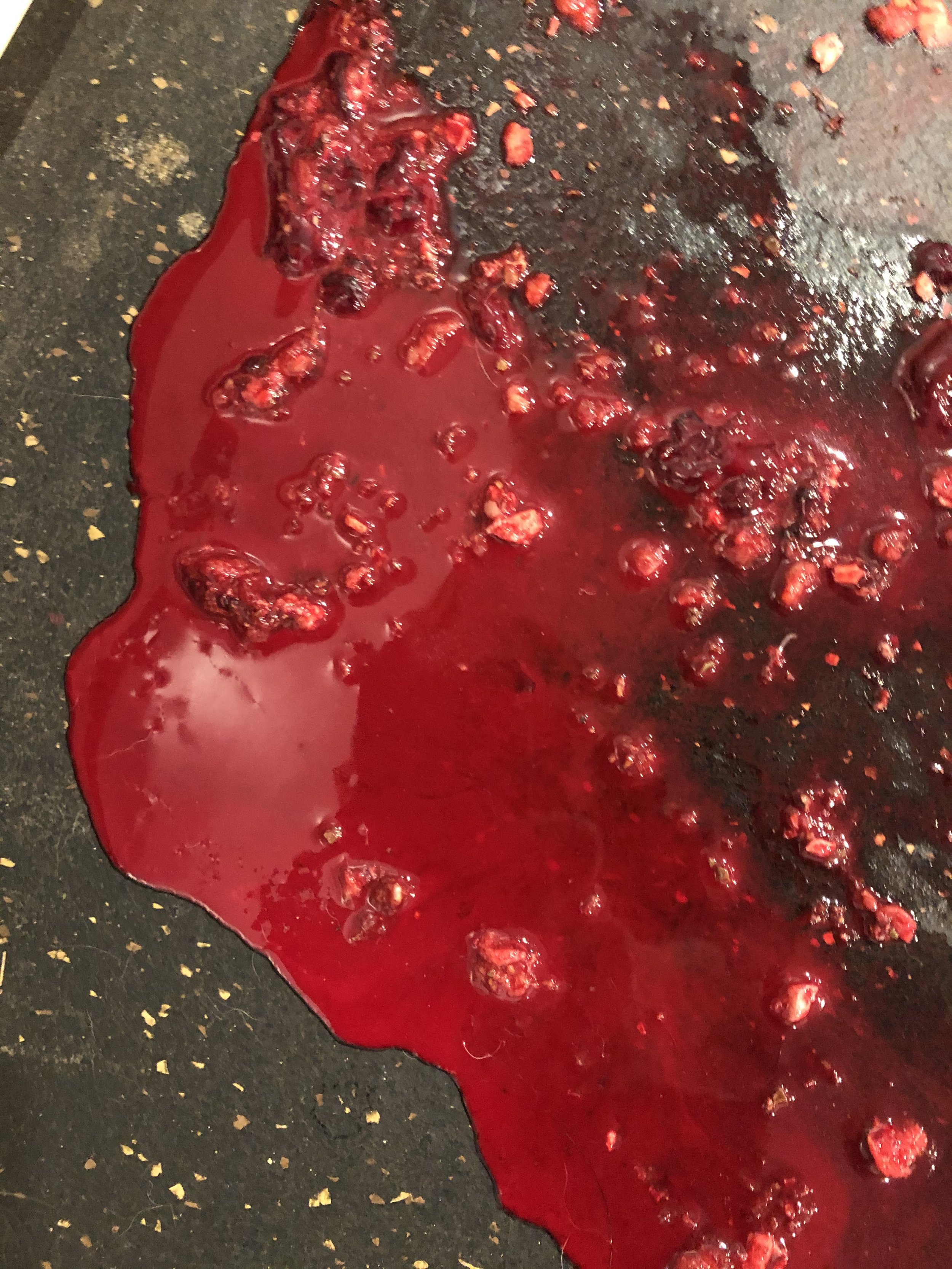
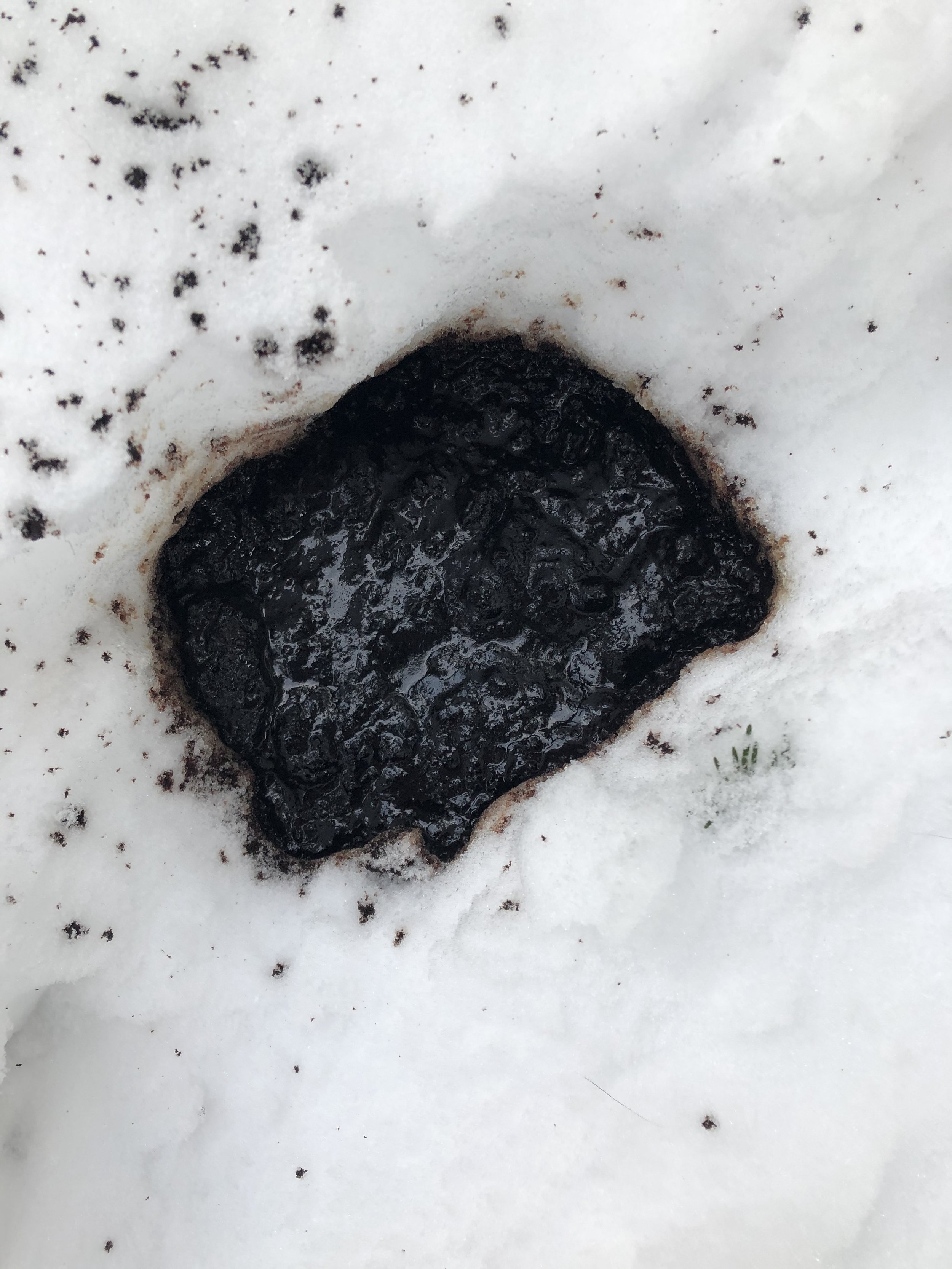
On the 7th day post-surgery, approximately one hour after eating her dinner, Kellyanne was resting when she began to vomit an enormous amount of bright red blood with small debris that appeared to be fine in appearance, almost like coffee grinds. Her gums were pale pink, her abdomen was swelling and retaining fluid, and she was somewhat sluggish with no temperature. She then immediately developed black, tarry, liquid stools, along with a lack of appetite and general weakness. The black tar stools were the fluid from her abdomen and blood from the ulcerations. See the photos below of what Meloxicam can cause.
After she had ceased vomiting, the blood was absorbed and eliminated through the intestines. Kellyanne was administered 2 grams twice daily of Sucralfate, which is an oral anti-ulcer drug used to coat ulcers in the gastrointestinal tract to protect them from stomach acid and allow them to heal, which were caused by the Meloxicam. Though she ceased vomiting, it took Kellyanne five long days for her stomach to improve, her tarry black stools to disappear, and nearly seven days for the abdomen's swelling to dissipate completely. Even 16 days after surgery, she still ate somewhat sparingly compared to her normal, healthy appetite.
These two photos show Meloxicam Side Effects. Bright red blood vomited and tarry black stools from the gastrointestinal bleeding.
This list is an introduction, and I will continue to add additional thoughts and information over time so please keep checking back.
Other Common Miscellaneous Disorders
Calcinosis also known as Calcinosis Circumscripta
Calcinosis circumscripta is deposition of calcium at bony prominences or in the footpads and mouth. It is usually a disease of large dog breeds and occurs before two years of age.
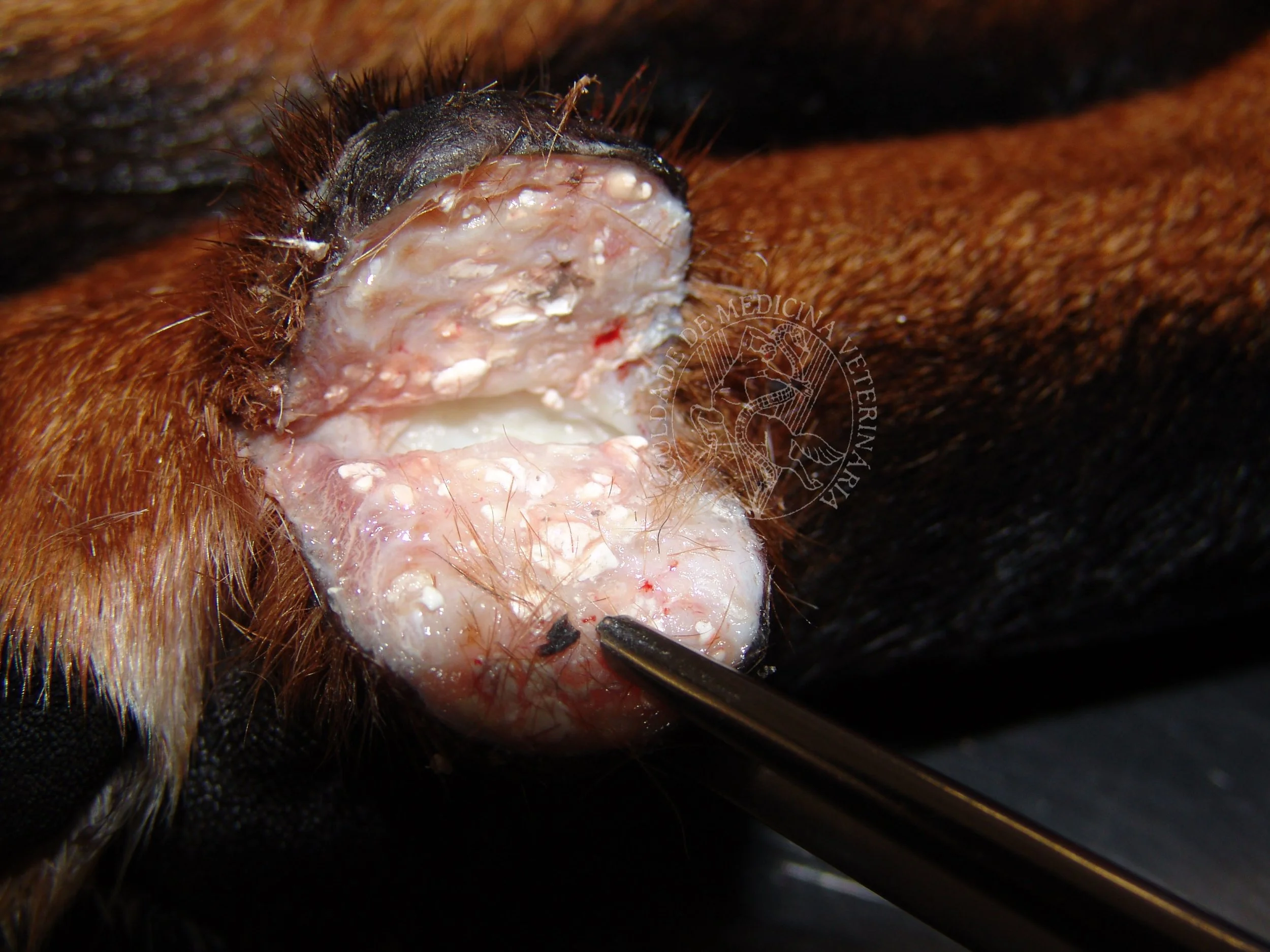
I found the simplest explanation is from the VCA website provided above. For even more details and information please read my DogBlogMusings post titled, "Lumps, Bumps, Masses, Tumors, Cysts" where I discuss Calcinosis or calcium deposits. Suffice to say, I have had many Ballyhara Irish Wolfhounds over the many decades present a Calcinosis (calcium deposit) on their rear feet. Even more, once, long ago, Shane (my 12-year old male) had small calcium deposits under his tongue but were small enough that they did not interfere with eating. Calcium deposits are not worrisome but inconvenient, especially on the feet as they can grow larger, and when they do they make contact with the ground they will begin to bleed. At this point they need to be removed and can be done so quickly under anesthesia. After they are removed the interior of the calcium deposit appears similar to thick cottage cheese. The only issue is healing of the area due to its location. For additional information on valuable healing tips, tricks & tools, please visit my post on DogBlogMusings, "Dog Foot Pad Injuries."
Elbow or Joint Hygroma aka Bursa
First, do not panic. Hygroma's also referred to as a Bursa are common on giant breed dogs such as Irish Wolfhounds and Great Danes. These are fluid filled sacs that can develop on any bony protuberance of the dog but most frequently the elbows or seat bones. They are caused by repeated trauma, or impact with the ground as the dog lays down on hard surfaces such as concrete kennel runs, ceramic tiles, or any unforgiving surface. Boom, the elbow hits first, and or the giant dog shifts his weight and the Ischial Tuberosity or seat bone located down by and just slightly under the tail (which we refer to as the shelf) boom, hits the floor too. The body's defenses are to rush fluid to the injured area as an inflammatory response and to protect the joint. These hygroma's begin small, similar to a golf ball and if there is repeated trauma on the area the sac will grow larger and larger to the size of an orange. Normally, almost all hygromas do not require medical intervention. Only when they become inflamed (hot to the touch) and infected should they be treated and then very quickly.
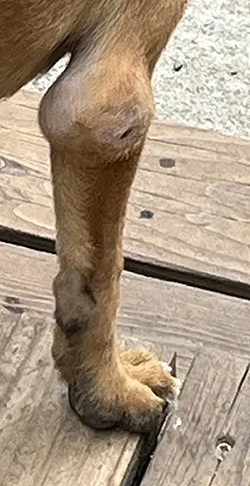
Elbow Hygroma
I have had several Wolfhounds over the many years acquire a hygroma with one that grew to the size of an orange. However, none of these developed into a hot bursa. I do NOT recommend veterinarians to perform aggressive treatment for any non-infected hygroma by draining and inserting a Penrose drain into it for removal. A hygroma will disappear on its own over time, but it can and will take many months, sometimes 6 months or more before it subsides as the body reabsorbs the fluid and the skin shrinks.
Prevention
Try to teach your giant breed to lie down in the same area in which a very thick dog bed is placed. All our dogs become habitual as they mature, and I have always found that they are open to learning and direction as to where their ‘quiet’ or nest area is located. Provide the hound with a comfortable, thick bedding that does not collapse or the filling shifts when he lies down on it. Over my 40-plus years, I have used a great many beds from various manufacturers and have been disappointed with quite a few. One of the few of my recommended companies is this orthopedic bed from the Snoozer Super Orthopedic Lounger XL Pet Bed.
We are very fortunate that today there are numerous solutions to aid dogs afflicted with hygromas. Here are two options.
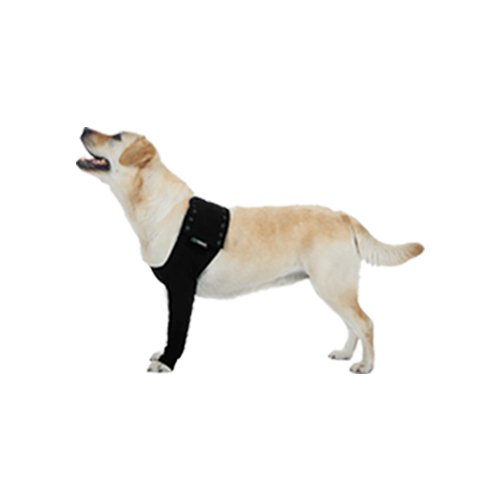
Best Budget Option: The Suitical Dog Recovery Sleeve shown below on the Labrador. This stretch fabric is adjustable and converts to either leg while covering the elbow and providing protection as well as a healing environment. It is especially helpful for recovery after a surgery; however, as I previously stated, I do NOT recommend any medical intervention for hygromas UNLESS they are infected.
Best Comprehensive Option: Full Length Adjustable DogLeggs Elbow Protector. It is expensive, but it is an innovative product from a very good company. It may appear to be going overboard, but the more straps you have, the more preventative and curative the product, so that the Wolfhound or other dog will not be able to remove it, if so inclined. There is another version that is full-length foreleg coverage and is excellent for dogs with lick granulomas or wounds on their forelegs.


Split or Happy Tails
Trauma
A common problem in the wolfhound breed is tail damage. Typically, tail damage occurs when the hound swings the appendage too hard severely bruising and even splitting the tail open. For those experienced with wolfhound "split tails," it often can be a nightmare. It looks like a murderous crime scene as the blood is flung near and far over furniture, ceiling, walls, drapery and the like. The excited hound gets even more excited as one or more owners are trying to grab the tail and the hound at the same time to place bandaging on it to stop the bloodletting!
New owners are shocked but stay calm as there are some solutions, but they are going to require effort and diligence. First, a bleeding tail is a challenging area to keep bandaged and especially hard to heal thoroughly so that the affected portion does not open up again in another future incident, which by the way, I guarantee will happen again if not completely healed the first time. Unfortunately, as often is the case, split tail injuries on a happy, excited wolfhound do not always heal without another incident taking place. If you have bred Irish Wolfhounds long enough, then you have or had, at least once, a wolfhound with a split tail.
Again, you must understand and be prepared for the fact that a lower tail injury is a hard place to heal, and, therefore, the area will remain susceptible to further insult and injury. Scar tissue must develop over the injured area before you can ever claim victory. It can take as long as two to three weeks for the damaged tail to heal ONLY if properly cared for, and only if it does NOT receive further and ongoing damage. If the location is repeatedly damaged, then the last resort is to amputate the portion of the affected tail.
What To Do:
To begin; DO NOT wait to treat the wound as this will be your biggest mistake. Skin infections and self-mutilation will usually always occur because more often than not the dog will begin to lick and chew on it as it can be painful or itchy. This will lead to infection.
Medical Care. There are so many different products on the market to promote healing of a chronic hemorrhaging tail wound but there seems to be a consensus for the basics. To start, most agree that a wound cleanser such as SAF-Clens® AF Dermal Wound Cleanser be used first and/or a Hydrogel dressing, such as Hollister Restore Hydrogel, be applied before using sterile primary bandages. SEE BELOW for the links are included to the products within this article.
Remedies:
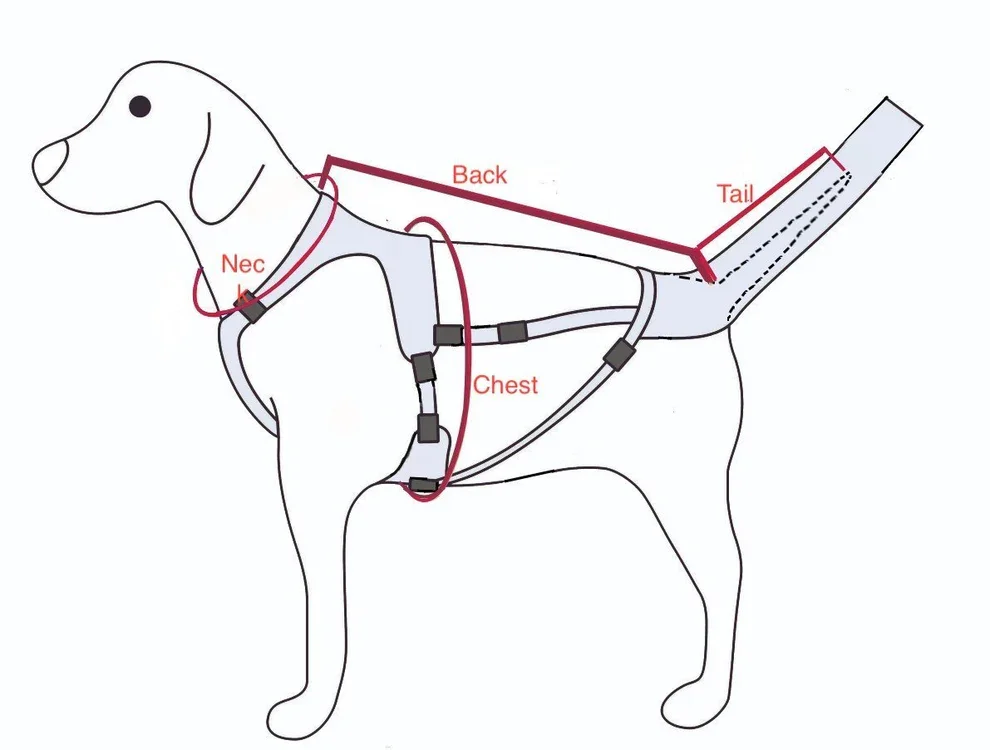
One novel approach to resolving split tails is called K9 TailSaver. Check it out as this device will be my go-to in the future.
Protect your dog's tail from Happy Tail Syndrome, broken tails, exposed bones, infections, cysts, tail-biting, and other injuries. The K9 TailSaver features a padded tail sleeve and a supportive harness for a comfortable fit that stays on even for active dogs and those who chew bandages or wraps.
Two-part system for secure fit and comfort.Breathable padded tail sleeve. Supportive harness with wag strap and anti-twist technology.



Emergency Kits
Emergency Kits
I suggest that all Irish Wolfhound owners organize and have an emergency kit available at all times, especially if you plan on traveling with your Wolfhound. In it should be several indispensable items that I have linked to Amazon for ease of purchase. Just click on each item’s photo following the list.
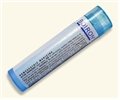
Hyland's Carbo Veg. 30X Tablets, Natural Homeopathic Relief of Nausea, Heartburn, or Gas. IMO, these Carbo Veg pellets are crucial to have if you own any giant or breed prone to Bloat. If your wolfhound is pacing, looking very uncomfortable, has difficulty lying down, or lies down and immediately gets up, or is retching and or vomits yellow bile, or has a firm, distended stomach, then dose immediately with the adult human dosage of 4 pellets. However, if you have a very large IW weighing approximately 160 pounds or more, then I would begin with 6 pellets. Tip 6 pellets into the bottle cap and then, raising his muzzle upwards, open your IW’s mouth and drop the pellets into the back of their throat, quickly closing his mouth and massaging his throat. The pellets dissolve within 20-30 seconds. Repeat every 30 minutes while you seek emergency medical care.
Alumina from Boiron 30c. This is another important homeopathic remedy that is in my Emergency Kit at all times. Boiron® indicates that Alumina may be effective in alleviating various digestive issues. Aloe in this form could provide relief from stomach problems‚ like flatulence and indigestion. I use this the same exact way I use the above Carbo Veg. and dose with it immediately after I dose with Carbo Veg. I recommend using the adult human dosage of 5 pellets, but again, if you have a very large wolfhound over 160lbs., then I would increase to 6 pellets. Repeat every 30 minutes while you seek emergency medical care. Both of these homeopathic remedies may alleviate the gas buildup causing distress and could very well save a life while you are seeking emergency care.
Remedies for a simple upset stomach. If your dog has an upset stomach, the above-recommended Carbo Veg and Alumina should be used to quell the nausea. For non-emergencies, use the Carbo Veg and Alumina 4 times per day.
Metronidazole, aka Flagyl. We do not travel with our wolfhounds without bringing along a prescription for Flagyl. It is an antibiotic that treats diarrhea resulting from inflammation of the colon due to bacteria, as well as intestinal infections due to the Giardia parasite, along with Gastritis and Colitis, to name a few. You will have to obtain this from your Veterinarian as it is only available via prescription.
Proviable DC Digestive Health Supplement. This is a portable Probiotic with Prebiotics that should be given when a dog has diarrhea. Each Capsule has 5 billion CFUs. However, I give this on the day of our trip and every subsequent day afterwards while traveling until we return home, as it regulates the pH balance in the gut and is very helpful during times of stress. Dosage is one capsule daily during times of travel and is easily hidden in a soft treat.
Rectal Digital Thermometer.
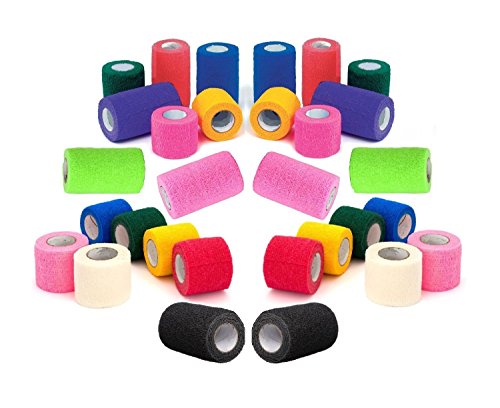
Gauze, non-stick bandages, and adhesive tape. This is for covering a wound, stopping bleeding, or even a sprained ligament. I use 3M Vetrap 4” wide, soft gauze and nonstick gauze pads. Also stock waterproof adhesive tape, especially if it is wet outside, as Vetrap is not waterproof.
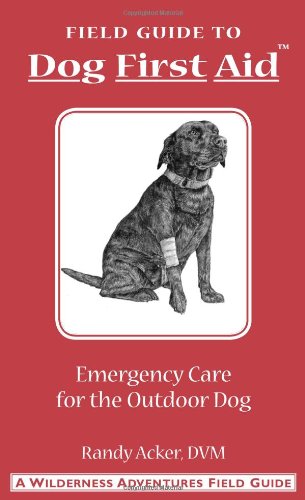
A Canine First Aid Manual and/or download the American Red Cross App “PET FIRST AID”. Have either or both available at all times —I recommend “Dog First Aid: A Field Guide to Emergency Care for the Outdoor Dog,” which is pocket-sized and can fit in any emergency kit. The American Red Cross App PET FIRST AID is very good as well and is on my Smartphone and iPad. Another choice for a small portable emergency book is the Pet Emergency Pocket Guide 2nd Edition, which has tabs at the bottom making it very easy to find information in a hurry.
Cephalexin Antibiotic. I do not travel without this antibiotic in case of the onset of high fever, which may be present if the Wolfhound has diarrhea or lethargy. You will need to obtain Cephalexin from your veterinarian, as it is a prescribed antibiotic. Explain that you will be traveling with your hound, and in case of emergency, away from home, it may be extremely helpful to control an unexplained fever as a result of a bacterial infection, such as a respiratory tract infection or a soft tissue infection.
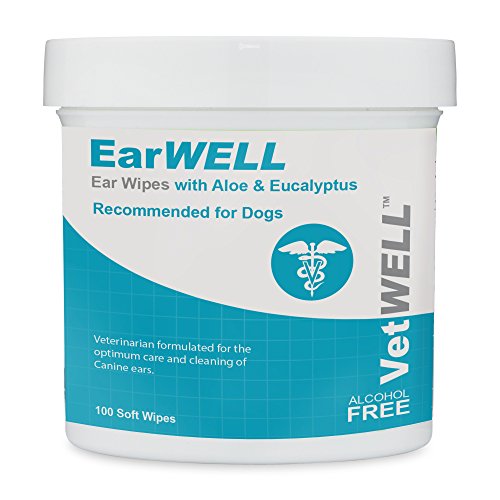
Dog Ear Wipes. Such as VetWELL Dog Ear Wipes - Otic Cleaning Wipes for Infections and Controlling Yeast, Mites and Odor with Aloe and Eucalyptus.
Cotton Balls and Swabs. I carry the long ear swabs, such as BambooStick Cotton Buds for Dogs, for hard-to-reach spots deep in the ear canal.
Scissors.
Bottled Water. Always, always, always use bottled water or bring enough water from home to last the duration of your trip. Do not give your dog water that he or she is unaccustomed to, as it could result in diarrhea.