
DOG BLOG
Musings
Post-Estrus Depression Update
More updates on my "Canine Post-Estrus Depression" DogBlogMusings article, as my website analytics inform me that this topic is the second most popular page on my entire website! This is unusual as my website welcomes a fair number of visitors regularly. I also receive email pleas for assistance on the topic. Still, the elevation in popularity on my popular website concerns me. It seems that this behavioral change in dogs is increasing considerably. Buy why?
Another update to my "Canine Post-Estrus Depression" DogBlogMusings article, as my website analytics inform me that this topic is the second most popular page on my entire website! This is unusual as my website welcomes a fair number of visitors regularly. I also receive email pleas for assistance on the topic. Still, the elevation in popularity on my popular website concerns me. It seems that this behavioral change in dogs is increasing considerably. Buy why?
I originally penned my first article (see below) with what I believed was a possible solution in the hopes that others may find it helpful. Unluckily, it was based on my experience with my fairly exclusive bloodlines meaning that this behavior was typical for my female lineages. I had not heard that other bloodlines were experiencing the same. So, of course, I offered my solution with the full knowledge that it may not work for all dogs, but even if it helped a few, it was worthwhile.
Back to why this issue is happening with such frequency now; the answer is, I don't know. Any surmising based on commonality cannot provide an explanation. Could it be commercial dog food with its common preservatives or additives? Not possible as my hounds are "Naturally Reared" and have been so for about 29 of my 39 years. Please visit my Nutrition page for those unfamiliar with this term, but the short answer is I do not feed commercial dog food.
All I can do is provide other possible solutions that I have also used to counteract the depression and lack of appetite. But first, I want to caution everyone who is searching for an answer to have your dog tested for Tick diseases. No excuses are valid such as “I haven’t seen any ticks on my dogs” or, “My dog wears a tick collar”, or “We do not have ticks in our region” or “It is winter.” Tick diseases can lie in the body and dependent on what stage they are cause symptoms or not: Acute, Subclinical, or Chronic.
Please have your Veterinarian run a SNAP 4DX PLUS test run on your dog. This test will screen for seven vector borne diseases, to include not just Heartworm but very importantly Lyme, Ehrlichia, and Anaplasma diseases. Anaplasmosis symptoms include loss of appetite and in todays environment a dog can have Anaplasmosis at any time of the year. Ehrlichia symptoms also include weight loss and inappetence. Recently, I had several bitches who were eating poorly 3-4 weeks after completion of their heat cycles. My Veterinarian and I tested with SNAP4DX and all came back positive with varying levels of Anaplasmosis and Lyme disease. As a result, they all began a drug protocol regiment of doxycycline for 30 days. Several began eating normally again shortly after.
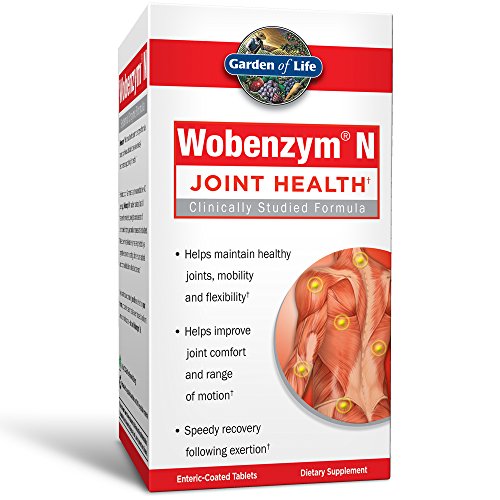
In addition to the original suggestion of Wobenzym N Systemic Enzymes from The Garden of Life,
I also suggest R&R Medicinals as an excellent manufacturer of CBD tinctures. They do make a Full Spectrum version for pets that you can use. Follow the directions on their website, and once your dog is acclimated to it, I would increase the dosage to twice daily. As they say, consistency is essential for the best results; that is when you will see changes. If you have a giant breed, I would consider dosing up to 50 mg daily after the dog has adjusted to the initial doses over a couple of weeks.
My females come into season about every 4 - 6 months. As such, one of our girls is consistently on CBD, and she is 8 years of age. It has shortened her "downtime" of not-eating. She still experiences depression, but it is curtailed to about a week or so, whereas before CBD, she would go off her food for 3 weeks at a time. Nonetheless, while she is in her "woe is me" self-inflicted fasting, I resort to other means to get nutrition into her. These recommendations suit any dog that has gone off its food, barring severe diseases.
I take raw, pure honey that I purchase directly from the local Bee Apiarists, and I refrigerate about a cupful at a time. The refrigeration nearly solidifies the raw honey so that you can scoop out one tablespoon at a time and place it in the dog's mouth with a spoon. Let the dog swallow as they lick repeatedly and then repeat again in a few minutes. For a 140-pound dog, I give about three tablespoons of honey in this manner twice daily. My big male will go off his food when the females are in season, so I do the same for him, but his dose is much larger. He weighs about 175-pounds, so he gets about 4 Tablespoons of the refrigerated honey twice daily. If you haven't figured it out yet, administering the honey in this manner resolves the issue of significant messes. Honey is very thick and sticky and will drip everywhere if you try to use it in its liquid state right out of the jar.
Another nutritious trick I use on these dogs who are not eating is fresh eggs. First, I crack a raw egg into a small 1/4 measuring cup (adjust to a smaller size for small dogs). Then, with one hand, I open the dog's mouth and slide the egg out onto the back of their tongue while quickly closing the mouth and keeping their muzzle elevated as they swallow. I have seen improvements in their attitude and behavior after having raw honey twice daily when refusing all other foodstuffs. And don't forget the egg once per day.
Original Article on Post-Depression Follows
Possible Remedy for Canine Post-Estrus Depression
It is possible that I might have found a remedy for post-estrus depression in our female Irish Wolfhounds. For a number of veteran breeders, this is a familiar syndrome that affects wolfhound bitches typically two to three weeks after concluding their heat cycles.
First, the female canine has four cycles including before and after her reproductive period. These are Anestrus, Proestrus, Estrus, and Diestrus with the latter being the stage after mating. Anestrus is the term for quiescence or dormancy between her semi-annual or annual heat cycles. As I explained on my website page "Irish Wolfhound Spay-Neuter Considerations and Concerns," my tail-female (maternal bloodlines) endure difficult episodes two to three weeks after concluding estrus (heat cycles). They stop eating, lose weight, and are depressed which has been very worrisome. I even had a bitch once regularly lose up to 15 pounds during these depressions. I am not describing pseudopregnancy or false pregnancy in which the female's exhibit mothering behavior and bodily changes such as mammary gland enlargement, lactating, nesting, depression, even abdominal swelling.
No, what I coined post-estrus depression is more worrisome because my girls have the "woe is me" and "life is not worth living anymore" attitudes. We do everything we can to entice them to eat, yet, most of the time they turned their noses up at fresh meat, homemade chicken stock, you name it. However, recently I began trying systemic enzymes on my intact young female wolfhounds.
I have been feeding systemic enzymes for some time now in which I use Garden of Life's 'Wobenzyme' for our veteran Irish Wolfhounds. I also take them myself. Enzyme therapy is considered therapeutic "promoting health in every part of the body by reducing pain and inflammation, speeding healing, supporting a healthy immune system." You can read more about Enzymes here in this article written by Mary Straus, published in the Whole Dog Journal, July 2012 and reproduced at DogAware.com, "Proteolytic Enzymes, Enzymes for Healing Body Tissues, Not “Just” for Digestion."
I began my trial with the Wobenzyme on the two intact bitches as soon as they came into season continuing throughout and past their reproductive cycles and even today, they still receive the enzymes regularly. As usual, two weeks after the conclusion of their heat cycle the first signs of depression began and an indication of disinterest in food. However, this time I noted that both females' depression were much milder than previous post-estrus depression events. If I were to use a percentage, I would estimate that the undesirable behaviors were reduced as much as 80%. Yes, the bitches would miss a meal perhaps three times a week, but that frequency pales in comparison to previous depression events when they would go for several days without eating a thing. I have observed a marked difference in their daily behaviors and this trial has been a success. A protocol that I will continue to administer as so far it has afforded me a huge sigh of relief!
How does it work? Well, I can only hypothesize referring to the data provided in the article which states,
"Studies in the U.S. are limited, but systemic enzyme therapy has been studied and used in Germany for decades. For example, a 2008 German review of “rigorous clinical studies” published in the journal Integrative Cancer Therapies found that “systemic enzyme therapy significantly decreased tumor-induced and therapy-induced side effects and complaints such as nausea, gastrointestinal complaints, fatigue, weight loss, and restlessness and obviously stabilized the quality of life."
It is only logical that my seeing a marked improvement in their eating behavior is a possible result of what this study concluded -- systemic enzyme therapy significantly decreased nausea, gastrointestinal complaints, fatigue, and weight loss. It appears to have done so in my Irish Wolfhound bitches.
If your bloodlines, regardless of dog breed, have undergone this same depression-like event, I would encourage you to try the same.
Please know that the author cautions that Proteolytic enzymes can thin the blood and increase the risk of bleeding, especially at higher doses. Do not give to dogs with clotting disorders, gastric ulcers, or those receiving blood-thinning medications. If anemia or signs of bleeding develop, discontinue right away. High doses may cause diarrhea.
Balancing Calcium & Phosphorus For Dogs, Repost By Dr. Jean Dodds
Dr. Dodds and Hemopet advocate for the advantages of properly-balanced and prepared homemade meals for companion pets. Indeed, these include the fact that companion pet parents can control and choose ingredients, customize for age and health, and modify according to any food sensitivities and intolerances.

The following is a repost of Hemopet’s discussion on Calcium and Phosphorus ratios. The article is for the advanced student who is well informed with Natural Rearing. I would not recommend a novice simply winging it when feeding their dog a “homemade diet.” Another source that is quite good is Dr. Pitcairn’s, “Complete Guide for Natural Health for Dogs & Cats.” The link to the book is on my Diet & Nutrition page.
Balancing Calcium and Phosphorus for Dogs
February 19, 2021 / Nutrition / By Hemopet
Dr. Dodds and Hemopet advocate for the advantages of properly-balanced and prepared homemade meals for companion pets. Indeed, these include the fact that companion pet parents can control and choose ingredients, customize for age and health, and modify according to any food sensitivities and intolerances.
Yet, we understand why some veterinary professionals are concerned about homemade diets for their pet companion. And, yes, we agree with their concerns. That is why we encourage companion pet parents to work with reputable and experienced veterinary/animal nutritionists.
With that being said…what is their concern? For many, it can be the very complex mineral assessment that veterinary nutritionists need to consider for our pets, namely: The Calcium:Phosphorus Ratio.
The essential minerals of calcium and phosphorus need to be delicately and accurately balanced relative to each other. Both calcium and phosphorus are provided through foods, but an excess or a deficiency of one or the other can lead to deleterious effects on the body and health.
Vitamins D2 and its active form, D3, compound this issue of mineral balance. Their role is to enable proper absorption and uptake of calcium and phosphorus, as well as assist with other calcium and phosphorus functions in the body.
Compounding the issue even further is how the two vitamin Ds are given. Vitamin D3 (calcitriol) is not nutritionally accessible and must be added as a supplement. It is available only through sunlight, which is often insufficient these days with depletion of the ozone layer and pollution, and by supplementation. Vitamin D2 (calcidiol) needs can be achieved through dietary means.
Further, the function of vitamin D is complicated by the nature of its absorptive aid properties. Vitamin D aids the intestinal absorption of calcium, and helps ionized phosphorus (i.e. phosphate) be reabsorbed back into the bloodstream from the small intestine and kidneys.
The parathyroid gland and fibroblast growth factor 23 (FGF-23) also play important roles.
Indeed, the interactions of calcium, phosphorus and vitamin D can result in a variety of metabolic, biochemical and physiological outcomes.
Yes; it surely is confusing and complicated.
The optimal dietary calcium to phosphorus ratio in dogs should be 1.2:1 to 1.3:1. The ratio appears small, but it is significant. So, we thought we would give you two easily digestible conditions (pun intended) that illustrate the effects an imbalance of calcium and phosphorus can cause.
Calcium Excess
An easy example of excessive calcium intake is rickets-like signs in puppies or young dogs. Puppies will experience:
Bone deformation or bowed limbs
Bone pain and swelling
Fractures
Stiff gait or limp
Typically, we see rickets-like conditions with dogs fed only all-meat diets.
The remedy? Rickets-like symptoms in dogs can be reversible if caught early enough. Basically, a companion pet parent needs to balance the calcium to the phosphorus intake and add a vitamin D supplement.
Excess Phosphorus
Nutritional secondary hyperparathyroidism is an excess of phosphorus compared to calcium in the diet. When phosphate levels are maintained at untenable levels in the blood or are unmatched by sufficient calcium intake, calcium in the blood drops causing hypocalcemia. Low serum calcium, in turn, signals the parathyroid to call upon the calcium in bones to replenish what is missing in the blood. The demineralization of bones cause weakness, possible fractures and neurological dysfunction.
Again, the cause can be attributable to dogs fed only all-meat diets.
The Takeaway
Bear in mind that the two examples provided here are simple. There could be more complex and underlying conditions causing excessive or insufficient levels of calcium or phosphorus. These examples demonstrate the importance of dietary balances (particularly of minerals like calcium and phosphorus), and how easily dietary imbalances can result in health conditions.
References
Barber, Penney. “Nutritional Secondary Hyperparathyroidism.” Vetlexicon, Vetstream, www.vetstream.com/treat/canis/diseases/nutritional-secondary-hyperparathyroidism.
Brooks, Wendy. “Calcium Phosphorus Balance in Dogs and Cats .” Veterinary Partner, VIN, 5 June 2019, https://veterinarypartner.vin.com/default.aspx?pid=19239&id=4952674.
Grünberg, Walter. Disorders Associated with Calcium, Phosphorus, and Vitamin D in Dogs. Merck Veterinary Manual, Mar. 2018, https://www.merckvetmanual.com/dog-owners/bone,-joint,-and-muscle-disorders-of-dogs/disorders-associated-with-calcium,-phosphorus,-and-vitamin-d-in-dogs.
Moe, Sharon M. “Disorders involving calcium, phosphorus, and magnesium.” Primary Care vol. 35,2 (2008): 215-37, v-vi. doi:10.1016/j.pop.2008.01.007, https://www.ncbi.nlm.nih.gov/pmc/articles/PMC2486454/.
Schaefer, Carmenn, and Richard E Goldstein. “Canine primary hyperparathyroidism.” Compendium (Yardley, PA) vol. 31,8 (2009): 382-89, https://pubmed.ncbi.nlm.nih.gov/19866445/.
Shaker JL, Deftos L. Calcium and Phosphate Homeostasis. [Updated 2018 Jan 19]. In: Feingold KR, Anawalt B, Boyce A, et al., editors. Endotext [Internet]. South Dartmouth (MA): MDText.com, Inc.; 2000-. Available from: https://www.ncbi.nlm.nih.gov/books/NBK279023/.
Stillion, Jenefer R, and Michelle G Ritt. “Renal secondary hyperparathyroidism in dogs.” Compendium (Yardley, PA) vol. 31,6 (2009): E8, https://pubmed.ncbi.nlm.nih.gov/19746344/.
The Ultra Fine Vitamin C Powder Out-of-Stock and Meanwhile What to Use
A quick note to share about one of two Vitamin C sources that I commonly recommend. Recently, the Ultra Fine Vitamin C Powder, Non GMO, Highest Grade of DSM's Quali-C. Pure Ascorbic Acid. 16 oz. Vegan “GMOFree Vitamins” company located in the United Kingdom were out of stock on this product. I have recommended this product in earlier Blog articles and have used it myself on a regular basis. It is one of the few Vitamin C Ascorbic Acid products NOT made in China. As I write on my Ballyhara Diet & Nutrition page 90% of all Vitamin C products are manufactured in China, and in my opinion, it is paramount that we source products NOT manufactured in China, especially edible foodstuffs.
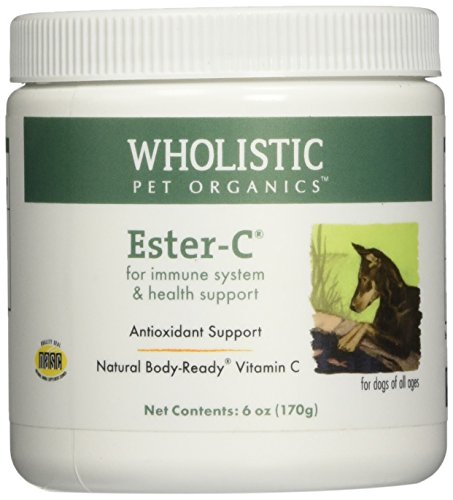
During this outage, I used the Wholistic Pet Ester-C, as an excellent substitute which is a different form of Vitamin C being Ester-C. I recommend that you read my previous post on the pros and cons for choosing and all the particulars regarding other vitamin supplements we use. I did all the legwork for you so you might as well take advantage of it.
Read Reposting & Revised Vitamin Supplement Warnings: Look at the Ingredients!
Facts About Caloric Density and Carbohydrates vs Protein Levels in Giant Breed Puppy Food
The topic of protein levels in giant breed puppy food is one that I have meant to discuss. First off, it is a myth that high protein levels cause damage to the long bones of a growing, giant breed puppy. Most people who feed commercially prepared dry dog food are misguided by this urban tale.....
Recently, I received a call from a new Wolfhound puppy owner who was seeking advice. During the conversation, the gentleman expressed his concern about protein levels in dog food. He informed me that he purchased a premium bag of dog food with a low protein level of 22%, as he was told that high levels of protein are not recommended for giant breed puppies as it can cause damage to their growing bones.
The topic of protein levels in giant breed puppy food is one that I have meant to discuss. First off, it is a myth that high protein levels cause damage to the long bones of a growing, giant breed puppy. Most people who feed commercially prepared dry dog food are misguided by this urban tale.
Instead, what should be one of the most pressing and harmful issues occupying people's minds about commercially prepared dog food designed for giant breed puppies is not protein BUT caloric density and the sources from which these calories are derived. As well as the high-density percentages of carbohydrates. In contrast, those who are entirely unperturbed about protein levels are those people who "Naturally Rear," as I do, where the protein sources are fresh, raw meat or poultry, fish, along with oats, yogurt, vegetables and so on.
Due to space limitations, I can only provide a review on this mainstream misconception as it could fill pages and pages. So, here goes.

Rapid growth stresses developing bones and joints. What can cause rapid growth is feeding a calorically dense and high carbohydrate diet which will make a pup grow too quickly; faster than their developing long bones and articulating joints can accommodate and will result in skeletal abnormalities.
Typically, as a pup evolves the bones and muscles should mature together in harmony, but bones that grow much too fast will be less dense and weaker than ones growing at a more appropriate rate. Weaker bones, in turn, creates issues for giant breeds who carry more weight in which such pup(s) will experience the causal factors of artificial nutrition.
What about protein? Protein is a source of energy. A point of fact is that growing puppies require more protein than an adult dog which contradicts the urban tale. Proteins are essential for building blocks of all tissues and organs, to include tendons, ligaments, cartilage, and muscle contraction. Yes, too much protein can be detrimental to healthy growth due to an imbalance of calcium and phosphorus which affects the long bones and joints. However, this is not always the culprit in commercially prepared puppy food. Why? Read on as down below I reveal some compelling relatively unknown information about the actual amounts of protein in such foods and their sources. What are the primary culprits in puppy as well adult dog food?
Most commercial dry dog foods contain at least 50% carbohydrates and sometimes more than 15% crude fiber. Let me quickly address crude fiber as this amount is at least three times the recommended amount according to the Mark Morris Institute who publishes the Small Animal Clinical Nutrition, 5th Edition on commercial pet foods. This book further reports that in excess, crude fiber reduces the energy and nutrients in the food whereas the dog has difficulty eating enough food to satisfy his nutritional needs. In other words, dogs consuming much of today's inferior, low digestibility commercial foods will devour large quantities of food, but the high amount of fiber within the diet can decrease mineral absorption. Thus, it does not matter how much the dog eats; he cannot absorb the necessary minerals because there is too much fiber.
Carbohydrates. Many commercial brand dog foods have high caloric density derived not just from fat but carbs. The principal function of carbohydrates is to provide structural integrity as they work as a binder holding the ground meal in shape. I already stated that most all dog foods are at least 50% carbohydrates, and it would be unusual for a dry pet food to be formulated with fewer than 40% carbohydrates because of the minimum requirement for extrusion or shaping through a die, as told by the Small Animal Clinical Nutrition, 5th Edition.
Incidentally, canines do not have the same enzymes as humans so they can only process carbohydrates very, very slowly. Importantly, the abundance of carbohydrates (sugars and starches) contained in commercial dog foods is a significant factor in canine dental disease and tartar build-up. Moreover, dental disease and heart disease can go hand in hand.
Here are some examples of carbohydrate concentrations commonly found in commercial dog food:
Rice Flour 90%
Rice 90%
Corn Flour 85%
Corn Starch 88%
Corn 81%
Grain Sorghum 80%
Wheat Flour 82%
Wheat 78%

Calories and fat. Both of these can present a bit of a dilemma for some companies. Typically, to dilute the number of calories in commercially prepared dog food, the manufacturer adds increased fiber, insoluble fiber such as cellulose and peanut hulls, to the processing. However, because crude fiber behaves as an anticaking agent, it simultaneously causes high friction during the extrusion or shaping process. So, the manufacturer has to add fat back into the ingredients so the mixture, commonly known as slurry, can be processed more efficiently. While adding fat back in sometimes can neutralize or minimize the fiber's primary purpose of reducing calories. According to Small Animal Clinical Nutrition, 5th Edition; "Fats contribute calories at 2.25 times the rate of carbohydrates or proteins, and the use of fat ingredients is the most efficient method of increasing the energy density of food to limit a pet’s consumption of other nutrients."
Back to the question of protein. There is an even lesser known truth about the actual amount of meat as listed on the dog food's label.
Again citing the Small Animal Nutrition 5th Edition, the United States has labeling regulations that stipulate ingredients must be listed in order of weight predominance. Of course, wet meat weighs more than dry meat, so, manufacturers use the wet weight of the meat or poultry that elevates or places the protein within the label's top three ingredients. They do so by incorporating fresh or frozen meat/poultry into the dry extruded dog food using a slurry composed of animal tissues, fat, and water, which is grounded and mixed in a separate tank. The water in the meat (60 to 70%), however, must first be dried off to make a dry product. Consequently, the actual amount of meat or poultry ingredients would be listed much farther down on the label if it were added as a dry meat meal.
Be aware that manufacturer claims that the "meat based" dog food has a high-meat content is not always accurate. Also, dog food ingredient labels list other sources that protein may also be derived from such as dried egg, rice gluten, corn gluten, and soybean meal.
The long and short of it is that densely packed carbohydrates in complete dog food along with high fats increase the caloric density, and this should be the worrisome factor that can cause health problems in growing giant breed puppies. All of this is not to say that an owner who feeds only meat and bone without other essential ingredients that provide nitrogen, minerals, calcium, phosphorus, and so on is doing the right thing. I utilize oats in my hound's diets along with all the other key components of "Natural Rearing" for a balance of nutrition. Nonetheless, I can assure you that my giant breed pups consume much higher amounts of protein than any bag of manufactured puppy food, but they do so in the fresh, raw variety. Never a slurry of animal tissues, fat, and water.







Coconut Oil for Veteran Dogs
Coconut oil for our veteran dogs. Yes, many hobbyists are already aware of the enormous advantages of coconut oil for themselves, but it is beneficial for our dogs as well.....

Coconut oil for our veteran dogs. Yes, many hobbyists are already aware of the enormous advantages of coconut oil for themselves, but it is beneficial for our dogs as well.
Recently, as I was making my way through a book authored by Dr. Jean Dodds, DVM, and Diana Laverdure,
I happened upon their suggestion for supplementing dogs with coconut oil, particularly elderly dogs. Espousing its therapeutic qualities, they share its proven ability to improve brain function in older dogs and people. According to their research, coconut's medium chain triglycerides (MCT) readily cross the blood-brain barrier supplying up to 20% of a normal brain's energy requirements. MCT's are also essential for ketone production as an additional source of brain food. One cited study concluded that MCT's improve age-related cognitive decline by providing an alternative source of energy.
Even more, according to Dogs Naturally Magazine, the benefits of coconut are numerous and include those related to aging dogs:
- Eases inflammation and can help with arthritis discomfort
- Promotes good nerve and brain function and prevents dementia
- Contains powerful antibacterial, antiviral, and anti-fungal agents that prevent infection and disease
- May reduce risk of cancer

So, I am now using unrefined or virgin, organic cold-pressed coconut oil as a supplement for my Irish Wolfhound veterans. I have introduced this supplement to my veteran hound's diet by providing about one heaping tablespoon into their dinner and mixing well. Over three weeks I will increase this amount to the suggested daily dosage of 1 teaspoon per 10 pounds of body weight.
For example, my 9.5-year-old Irish Wolfhound male will receive five tablespoons daily!
170 pounds/10 = 17 teaspoons. 17 teaspoons converted into Tablespoons is 17 / 3 tsp per tablespoon = 5.66 Tablespoons.
We are privileged to have four 9.5-year-old veterans here at our home so I will be purchasing quite a bit of Coconut Oil!
New Canine Nutritional Book To Read!
In addition to the books that I already recommend on my website, I had purchased Dr. Jean Dodds co-authored book with Diana Laverdure titled, "Canine Nutrigenomics, The New Science of Feeding Your Dog for Optimum Health." I am making my way through this book and would recommend this as another reference tool that "Natural Rearing" enthusiasts should have on their shelf.....
We all are familiar with Dr. W. Jean Dodds, DVM and her outstanding work in the fields of Canine Vaccines, Thyroid and Rabies diseases. In fact, she is considered one of the world's authorities on these subjects but did you know that her specialties also include Nutrition? Dr. Dodds developed NutriScan, a food sensitivity and intolerance test that has been offered for many years now and is a product that I have highly recommended to several people who have sought my nutritional advice on dogs with diarrhea and Intestinal Bowel Disorders. This valuable tool tests for intolerance's or sensitivities to:

Dodd's Listed Foods NutriScan test for Sensitivities or Intolerances
In addition to the books that I already recommend on my website, I had purchased Dr. Jean Dodds co-authored book with Diana Laverdure titled, "Canine Nutrigenomics, The New Science of Feeding Your Dog for Optimum Health." I am making my way through this book and would recommend this as another reference tool that "Natural Rearing" enthusiasts should have on their shelf.
According to Dodds, "Nutrigenomics" is the scientific field of study being the combination of the words nutrition and genomics and refers to how diets affect epigenome and consequently gene expression, which in turn alters genetic predisposition toward health and disease. Epigenome is primarily a record of DNA and protein chemical changes passed down to offspring, but it is a fascinating field of study as Dodds and Laverdure explain that
"Just as we inherited our genes from our parents, our epigenome also has a cellular memory that can be passed from one generation to the next (University of Utah 2014.) This means that a Mother and Father's lifestyle decisions --including the quality of their diet--will influence the epigenome of their offspring. Unlike the genome, however, we can alter our epigenome over time with new environmental signals, such as optimum nutrition."
Though I am not a research scientist, I think it safe and reasonable to venture that this reasoning could apply to the issue of over-vaccinating our companion animals, prevalent throughout the United States. Notably, the cellular memory or damage thereof within the offspring of over-vaccinated parents and the immediate ancestors in the pedigrees, especially in linebred or other close ancestral breedings. For some years now, I have been working on an individual theory regarding the results of over-vaccination and its relationship to cancer and have always wondered about the possibility of cellular memory. My data gathered is only a small amount, but once I begin to acquire stats from other breeders, it may prove very interesting indeed. In any event, I find the subject of cellular memory exciting and believe it most likely will offer significant revelations in the future.
Another interesting point that Dodds and Laverdure make and one that I have quoted in my earlier Neospora articles is that diagnostic laboratory assays, such as Antech Laboratories, have developed their normal ranges for blood chemistries and complete blood counts based on dogs fed cereal grain foods, especially heavily laden with carbohydrates. But the average ranges for many of these tests do not apply to healthy dogs fed raw diets, and any interpretation of laboratory results for these dogs should take these nutritional differences into account. For example, dogs fed fresh foodstuffs and meat exhibit naturally higher levels, e.g., BUN levels.
Many pet owners who feed raw are unaware of this information, and further, commonly conventional veterinary scientists do not consider this as established science. At the same time, these are the same veterinarians who do not believe there are fluctuations in various breeds' blood chemistries -- their mentality is that a dog is a dog and medical care is the same for all. Read this book to open your mind to nutritional effects on the body!
The Natural Diet: A Happy Ending for a Very Sick Wolfhound Puppy

I thought I would share this heartwarming story about a wonderful young Wolfhound named Aoife who was very, very ill. Instead of my telling her story, I asked her owner to do so as she imparts the seriousness of the young Lassie's condition. Her owner contacted me for assistance as Aoife's state was grave, and I was happy to help. I am thrilled that Aoife's story has, to date, a good ending and though many times dogs respond in nearly miraculous ways to the Natural Diet, it is necessary to stress that sometimes genetics and autoimmune-mediated diseases can require many more solutions. One such issue that I hear more about is Leaky Gut Syndrome or Intestinal Permeability. Once little-known, it has become more frequent with severe complications and sadly, unhappy endings.

Neospora UPDATE
I previously had written a post on Canine Neospora in February of 2017 and thought it would be beneficial to bring up to date those Readers who are also, unfortunately, experienced with parasitical beef infections in their dogs......
I previously had written a post on Canine Neospora in February of 2017 and thought it would be beneficial to bring up to date those Readers who are also, unfortunately, experienced with parasitical beef infections in their dogs. One of our veteran Irish Wolfhounds, age 9.5 years, who previously was diagnosed with Neospora in 2014, has again tested seropositive with a result of 1:800. This result shows that she has tested positive for the infection rather than a possible exposure to Neospora. We have begun a drug protocol of Clindamycin and will continue this antibiotic for at least eight weeks. However, due to her age, I am of the mindset to dose her for the remainder of her life.
It is important to share that my own valuable experience with this disease in two dogs over the years has revealed incongruities with most of the information disseminated on the Internet by veterinarian experts. It is very frustrating, to say the least, and often seems as if I am feeling my way through the dark.
To illustrate, one veterinarian website states that laboratory tests of Complete Blood Counts (CBC), Chemistries will likely indicate high levels of elevated plasma creatine kinase activity (CT), aspartate aminotransferase (AST), alanine aminotransferase (ALT), protein, and alkaline phosphatase (ALP) but also decreased eosinophils, neutrophils, macrophages, lymphocytes, and monocytes.
However, my hound's CBC, Chemistries, and Differentials results were within the normal range and were quite excellent for her age of 9.5 years save for her Neopsora IFA titer.
Other medical sites describe symptoms like lethargy, weight-loss or paralysis. Even more describe common symptoms as rigid contracture of the muscles, dermatitis, pneumonia, diffuse peritonitis with increasing amount of fluid in the abdomen. Additional sites describe symptoms such as circling, head tilt, rapid eye movement, head tremors, abnormal cranial nerve function, depressed reflexes, quadriplegia, and extreme cervical sensitivity. Lastly, but rarely, one or more discuss neospora-associated myocarditis. My frustration levels rise because my veteran female wolfhound had not displayed nearly all of these "typical" features since her first infection in 2014, except for myocarditis.
Instead, she has suffered trembling of the legs, weakness in the hindquarters and seizure activity, which after much investigation are all common with chronic and latent Neospora. In my opinion, she was subjected to the reactivation of a previous, dormant infection originally diagnosed in 2014 where her titer result was 1:1600 (Values with less than 200 indicate no detectable antibody.) She was treated, and since then she had been, for the most part, asymptomatic which is not unusual in older dogs. However, the latent, chronic infection over the past three years has resulted in what we believe are possibly multifocal brain lesions and or inflammation of the CNS, Granulomatous meningoencephalomyelitis (GME). Any such CNS diagnosis would require an MRI and cost roughly $3,000 in my region of the country, and when involving a 9.5-year-old Wolfhound, this is not a diagnosis that I need to have confirmed. Any possible treatment, such as immunosuppressive doses of prednisone, will require life-long therapy. I loathe prednisone and refuse to use it on any of our dogs unless it is a life or death situation on a younger animal. Note, however, that NCBI states that "Corticosteroids have been shown to worsen clinical disease in dogs with neosporosis, so they should not be administered."
I should also add that sources for the infection are not limited to bovines such as beef muscle, liver, brain and heart. Neospora caninum has been found in sheep, birds, deer, and rabbits. Reportedly, there is experimental evidence cited by Veterian Key that ingestion of infected chicken eggs by dogs may lead to Neospora oocyst shedding. This is an interesting turn as I know that Natural Rearing and or feeding raw foodstuffs menu usually contains whole eggs, in their shells and pulverized within a puree.
We are hoping for a functional recovery with the Clindamycin, and I will report as needed, especially if I obtain new information about sources of infection. For those who have questions, feel free to contact me via email.
Pet Food Recalls
Commercial pet food quality has taken yet another hit with the news alert this morning that a popular canned dog food sold in 15 states contained a euthanasia drug. The pet food manufacturer of Evanger’s Hunk of Beef Canned Dog Food has recalled five lots because they contain the euthanasia drug pentobarbital.........
Commercial pet food quality has taken yet another hit with the news alert this morning that a popular canned dog food sold in 15 states contained a euthanasia drug. The pet food manufacturer of Evanger’s Hunk of Beef Canned Dog Food has recalled five lots because they contain the euthanasia drug Pentobarbital.
The website www.Petful.com reports that “Pentobarbital can affect animals that ingest it, and possibly cause side effects such as drowsiness, dizziness, excitement, loss of balance or nausea, or in extreme cases, possibly death.”
Petful.com website not only reports food recalls but also provides a comprehensive manufacturer list for investigation. What's more, it offers a research tool to perform a check on the recall history of commercial dog food brands to ascertain how many times, if any, your brand of dog food has been subject to recall.
Some may claim that recalls are, in certain cases, exaggerated due to an overabundance of caution, but they would be wrong in practically all circumstances. Recalls are in place when a pet food is contaminated for one of many dangerous ingredients such as Listeria, Salmonella, Pentobarbital, plastic, mold, and so on, but also for inadequate and essential vitamin supplementation such as Thiamine for cats. If a dog owner touches a pet food contaminated with Listeria and does not wash up immediately, they can become affected. Any internet search will tell you that fever, muscle aches, nausea or diarrhea can result but if it spreads to the nervous system, symptoms such as a headache, stiff neck, confusion, loss of balance, or convulsions can occur -- not benign in my book.
However, let's get back to the most recent recall -- Pentobarbital tainted dog food! Nearly all of you may express surprise as to why Pentobarbital, a euthanasia drug that is used to euthanize pets and humans alike has been found in commercial dog food. But not me as sadly, I am desensitized to the heinous ingredients contained in many of today's modern dog food brands. Take a long minute to contemplate how this toxic element entered into this company's dog food meat source. Many readers already are aware having read my website that a primary focus of mine is on nutrition having begun approximately two decades past where I researched dog food ingredients and was horrified. One website that I had turned to was www.WholeDogJournal.com which provided vital information on nutrition, origins of pet food ingredients such as manufacturers using chalk to mimic and in place of the more expensive and necessary calcium element, but also sage advice on supplementation and so forth.
Today there seem to be numerous other websites providing information on commercial dog foods, such as this investigative blog, TruthAboutPetFood.com. After quickly perusing their site I found the following to be absorbing, "The VERY Private and VERY Different Ingredients of Pet Food" that details the difference between homonyms -- words we use on a daily basis that have different meanings and that which dog food companies take great liberties with while developing a processed pet meal. Take a brief moment to read it -- for those who are uninitiated with the industry the topic should be engrossing.
"Did you know that almost every single ingredient in your pet’s food has an alternate meaning very different than the same ingredient in human food? And did you know those alternate meanings are privately owned…not public information?"
This article is relatively benign to the many others I have read over the years revealing the truth about ingredients and their origins in commercial pet food. Start doing your research and for the sake of your beloved companion, start feeding them as you would yourself. It is not difficult nor as time consuming as you believe. The dog food manufacturers just want to make you think it is.