
DOG BLOG
Musings
Discoveries: Advances in Canine Bone Cancer Research
New treatments are needed for canine bone cancer. Current treatment options include surgical removal of the tumor and chemotherapy to treat metastatic disease (cancer spread to distant parts of the body). Unfortunately, surgery can have complications, not all dogs are good candidates for surgery due to other health problems, and many affected dogs develop metastatic disease and only survive for one year or less after diagnosis.
AKC Canine Health Foundation Discoveries
By Sharon Albright, DVM, CCRT
Manager of Communications & Veterinary Outreach, AKC Canine Health Foundation
New treatments are needed for canine bone cancer. Current treatment options include surgical removal of the tumor and chemotherapy to treat metastatic disease (cancer spread to distant parts of the body). Unfortunately, surgery can have complications, not all dogs are good candidates for surgery due to other health problems, and many affected dogs develop metastatic disease and only survive for one year or less after diagnosis.
Since 1995, the AKC Canine Health Foundation (CHF) and its donors have invested more than $3 million in 42 studies to improve outcomes for dogs with bone cancer. Since canine bone cancer is similar to human adolescent bone cancer, what we learn about dogs could also help children affected by this devastating disease. There is exciting progress toward that goal.
A recent study conducted by 2016 CHF Clinician-Scientist Fellow Dr. Shirley Chu found that genetic mutations in canine bone cancer cells were similar even in different locations within a patient. However, the mutations were unique to each individual dog studied. Additional research could explore if these mutation differences indicate subtypes of bone cancer that should be studied to offer more targeted and effective treatments and a more accurate prognosis for affected dogs.

Cudama Santa at Ballyhara
Another study showed that a unique form of bone cancer that strikes Irish Wolfhounds at a young age (less than 5 years old) is highly heritable with 65% of disease development attributed to genetic factors. Future studies will explore the specific genetic mutations that contribute to this form of cancer.
Investigators at Tufts University described the DNA of canine bone cancer cell cultures, confirming that these cultured cells adequately represent natural disease. This means that scientists can study these cell cultures to see which chemical pathways are disrupted by cancerous mutations and could be targeted by new treatments.
Finally, an exciting line of study at the Virginia-Maryland College of Veterinary Medicine is concentrating on a treatment protocol for canine bone cancer using the technology known as histotripsy. This focused ultrasound treatment mechanically disintegrates tumor tissue without affecting surrounding muscle or nerve cells. The treatment was first tested on bone cancer tissue samples removed from donor dogs. After this successful study, histotripsy was used to treat five client-owned dogs with suspected bone cancer. These clinical trial participants received standard limb amputation surgery 1-2 days after the histotripsy treatment. They showed no significant adverse effects from the treatment and microscopic examination showed that histotripsy effectively disintegrated the tumor tissue while sparing surrounding normal tissues.
Exploration of histotripsy as a new treatment for bone cancer continues, as CHF funding is helping scientists determine the best way to monitor response to treatment and how it impacts the immune system. Other newly awarded grants
will examine interactions between bone cancer and immune system cells – exploring how immune cells gain access to important regions within bone tumors and if and how they are manipulated to help the tumor grow. Study also continues on the genetic mutations found in bone cancer cells and how we can use them to develop better tests and treatments. And the exciting prospect of a blood test for early detection of canine bone cancer is under development at the University of Minnesota.
Canine bone cancer is a devastating diagnosis for dogs and their families. But thanks to the dedication of CHF’s donors and funded investigators, there is hope. Hope for better diagnostic tests. Hope for more successful and less invasive treatment options. And hope for longer, healthier lives for the dogs we love. Learn more about CHF-funded bone cancer research, including how you can help, at akcchf.org/osteosarcomaRPA.
Post-Estrus Depression Update
More updates on my "Canine Post-Estrus Depression" DogBlogMusings article, as my website analytics inform me that this topic is the second most popular page on my entire website! This is unusual as my website welcomes a fair number of visitors regularly. I also receive email pleas for assistance on the topic. Still, the elevation in popularity on my popular website concerns me. It seems that this behavioral change in dogs is increasing considerably. Buy why?
Another update to my "Canine Post-Estrus Depression" DogBlogMusings article, as my website analytics inform me that this topic is the second most popular page on my entire website! This is unusual as my website welcomes a fair number of visitors regularly. I also receive email pleas for assistance on the topic. Still, the elevation in popularity on my popular website concerns me. It seems that this behavioral change in dogs is increasing considerably. Buy why?
I originally penned my first article (see below) with what I believed was a possible solution in the hopes that others may find it helpful. Unluckily, it was based on my experience with my fairly exclusive bloodlines meaning that this behavior was typical for my female lineages. I had not heard that other bloodlines were experiencing the same. So, of course, I offered my solution with the full knowledge that it may not work for all dogs, but even if it helped a few, it was worthwhile.
Back to why this issue is happening with such frequency now; the answer is, I don't know. Any surmising based on commonality cannot provide an explanation. Could it be commercial dog food with its common preservatives or additives? Not possible as my hounds are "Naturally Reared" and have been so for about 29 of my 39 years. Please visit my Nutrition page for those unfamiliar with this term, but the short answer is I do not feed commercial dog food.
All I can do is provide other possible solutions that I have also used to counteract the depression and lack of appetite. But first, I want to caution everyone who is searching for an answer to have your dog tested for Tick diseases. No excuses are valid such as “I haven’t seen any ticks on my dogs” or, “My dog wears a tick collar”, or “We do not have ticks in our region” or “It is winter.” Tick diseases can lie in the body and dependent on what stage they are cause symptoms or not: Acute, Subclinical, or Chronic.
Please have your Veterinarian run a SNAP 4DX PLUS test run on your dog. This test will screen for seven vector borne diseases, to include not just Heartworm but very importantly Lyme, Ehrlichia, and Anaplasma diseases. Anaplasmosis symptoms include loss of appetite and in todays environment a dog can have Anaplasmosis at any time of the year. Ehrlichia symptoms also include weight loss and inappetence. Recently, I had several bitches who were eating poorly 3-4 weeks after completion of their heat cycles. My Veterinarian and I tested with SNAP4DX and all came back positive with varying levels of Anaplasmosis and Lyme disease. As a result, they all began a drug protocol regiment of doxycycline for 30 days. Several began eating normally again shortly after.
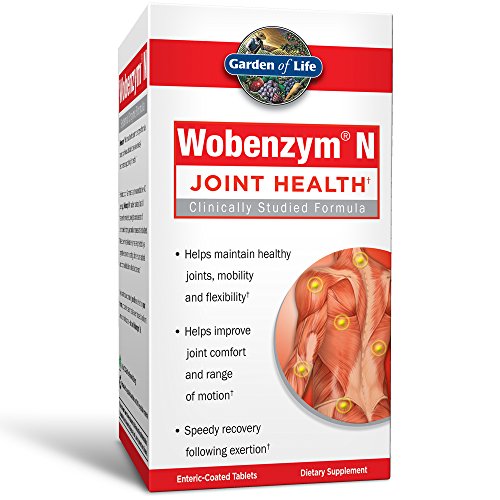
In addition to the original suggestion of Wobenzym N Systemic Enzymes from The Garden of Life,
I also suggest R&R Medicinals as an excellent manufacturer of CBD tinctures. They do make a Full Spectrum version for pets that you can use. Follow the directions on their website, and once your dog is acclimated to it, I would increase the dosage to twice daily. As they say, consistency is essential for the best results; that is when you will see changes. If you have a giant breed, I would consider dosing up to 50 mg daily after the dog has adjusted to the initial doses over a couple of weeks.
My females come into season about every 4 - 6 months. As such, one of our girls is consistently on CBD, and she is 8 years of age. It has shortened her "downtime" of not-eating. She still experiences depression, but it is curtailed to about a week or so, whereas before CBD, she would go off her food for 3 weeks at a time. Nonetheless, while she is in her "woe is me" self-inflicted fasting, I resort to other means to get nutrition into her. These recommendations suit any dog that has gone off its food, barring severe diseases.
I take raw, pure honey that I purchase directly from the local Bee Apiarists, and I refrigerate about a cupful at a time. The refrigeration nearly solidifies the raw honey so that you can scoop out one tablespoon at a time and place it in the dog's mouth with a spoon. Let the dog swallow as they lick repeatedly and then repeat again in a few minutes. For a 140-pound dog, I give about three tablespoons of honey in this manner twice daily. My big male will go off his food when the females are in season, so I do the same for him, but his dose is much larger. He weighs about 175-pounds, so he gets about 4 Tablespoons of the refrigerated honey twice daily. If you haven't figured it out yet, administering the honey in this manner resolves the issue of significant messes. Honey is very thick and sticky and will drip everywhere if you try to use it in its liquid state right out of the jar.
Another nutritious trick I use on these dogs who are not eating is fresh eggs. First, I crack a raw egg into a small 1/4 measuring cup (adjust to a smaller size for small dogs). Then, with one hand, I open the dog's mouth and slide the egg out onto the back of their tongue while quickly closing the mouth and keeping their muzzle elevated as they swallow. I have seen improvements in their attitude and behavior after having raw honey twice daily when refusing all other foodstuffs. And don't forget the egg once per day.
Original Article on Post-Depression Follows
Possible Remedy for Canine Post-Estrus Depression
It is possible that I might have found a remedy for post-estrus depression in our female Irish Wolfhounds. For a number of veteran breeders, this is a familiar syndrome that affects wolfhound bitches typically two to three weeks after concluding their heat cycles.
First, the female canine has four cycles including before and after her reproductive period. These are Anestrus, Proestrus, Estrus, and Diestrus with the latter being the stage after mating. Anestrus is the term for quiescence or dormancy between her semi-annual or annual heat cycles. As I explained on my website page "Irish Wolfhound Spay-Neuter Considerations and Concerns," my tail-female (maternal bloodlines) endure difficult episodes two to three weeks after concluding estrus (heat cycles). They stop eating, lose weight, and are depressed which has been very worrisome. I even had a bitch once regularly lose up to 15 pounds during these depressions. I am not describing pseudopregnancy or false pregnancy in which the female's exhibit mothering behavior and bodily changes such as mammary gland enlargement, lactating, nesting, depression, even abdominal swelling.
No, what I coined post-estrus depression is more worrisome because my girls have the "woe is me" and "life is not worth living anymore" attitudes. We do everything we can to entice them to eat, yet, most of the time they turned their noses up at fresh meat, homemade chicken stock, you name it. However, recently I began trying systemic enzymes on my intact young female wolfhounds.
I have been feeding systemic enzymes for some time now in which I use Garden of Life's 'Wobenzyme' for our veteran Irish Wolfhounds. I also take them myself. Enzyme therapy is considered therapeutic "promoting health in every part of the body by reducing pain and inflammation, speeding healing, supporting a healthy immune system." You can read more about Enzymes here in this article written by Mary Straus, published in the Whole Dog Journal, July 2012 and reproduced at DogAware.com, "Proteolytic Enzymes, Enzymes for Healing Body Tissues, Not “Just” for Digestion."
I began my trial with the Wobenzyme on the two intact bitches as soon as they came into season continuing throughout and past their reproductive cycles and even today, they still receive the enzymes regularly. As usual, two weeks after the conclusion of their heat cycle the first signs of depression began and an indication of disinterest in food. However, this time I noted that both females' depression were much milder than previous post-estrus depression events. If I were to use a percentage, I would estimate that the undesirable behaviors were reduced as much as 80%. Yes, the bitches would miss a meal perhaps three times a week, but that frequency pales in comparison to previous depression events when they would go for several days without eating a thing. I have observed a marked difference in their daily behaviors and this trial has been a success. A protocol that I will continue to administer as so far it has afforded me a huge sigh of relief!
How does it work? Well, I can only hypothesize referring to the data provided in the article which states,
"Studies in the U.S. are limited, but systemic enzyme therapy has been studied and used in Germany for decades. For example, a 2008 German review of “rigorous clinical studies” published in the journal Integrative Cancer Therapies found that “systemic enzyme therapy significantly decreased tumor-induced and therapy-induced side effects and complaints such as nausea, gastrointestinal complaints, fatigue, weight loss, and restlessness and obviously stabilized the quality of life."
It is only logical that my seeing a marked improvement in their eating behavior is a possible result of what this study concluded -- systemic enzyme therapy significantly decreased nausea, gastrointestinal complaints, fatigue, and weight loss. It appears to have done so in my Irish Wolfhound bitches.
If your bloodlines, regardless of dog breed, have undergone this same depression-like event, I would encourage you to try the same.
Please know that the author cautions that Proteolytic enzymes can thin the blood and increase the risk of bleeding, especially at higher doses. Do not give to dogs with clotting disorders, gastric ulcers, or those receiving blood-thinning medications. If anemia or signs of bleeding develop, discontinue right away. High doses may cause diarrhea.
Balancing Calcium & Phosphorus For Dogs, Repost By Dr. Jean Dodds
Dr. Dodds and Hemopet advocate for the advantages of properly-balanced and prepared homemade meals for companion pets. Indeed, these include the fact that companion pet parents can control and choose ingredients, customize for age and health, and modify according to any food sensitivities and intolerances.

The following is a repost of Hemopet’s discussion on Calcium and Phosphorus ratios. The article is for the advanced student who is well informed with Natural Rearing. I would not recommend a novice simply winging it when feeding their dog a “homemade diet.” Another source that is quite good is Dr. Pitcairn’s, “Complete Guide for Natural Health for Dogs & Cats.” The link to the book is on my Diet & Nutrition page.
Balancing Calcium and Phosphorus for Dogs
February 19, 2021 / Nutrition / By Hemopet
Dr. Dodds and Hemopet advocate for the advantages of properly-balanced and prepared homemade meals for companion pets. Indeed, these include the fact that companion pet parents can control and choose ingredients, customize for age and health, and modify according to any food sensitivities and intolerances.
Yet, we understand why some veterinary professionals are concerned about homemade diets for their pet companion. And, yes, we agree with their concerns. That is why we encourage companion pet parents to work with reputable and experienced veterinary/animal nutritionists.
With that being said…what is their concern? For many, it can be the very complex mineral assessment that veterinary nutritionists need to consider for our pets, namely: The Calcium:Phosphorus Ratio.
The essential minerals of calcium and phosphorus need to be delicately and accurately balanced relative to each other. Both calcium and phosphorus are provided through foods, but an excess or a deficiency of one or the other can lead to deleterious effects on the body and health.
Vitamins D2 and its active form, D3, compound this issue of mineral balance. Their role is to enable proper absorption and uptake of calcium and phosphorus, as well as assist with other calcium and phosphorus functions in the body.
Compounding the issue even further is how the two vitamin Ds are given. Vitamin D3 (calcitriol) is not nutritionally accessible and must be added as a supplement. It is available only through sunlight, which is often insufficient these days with depletion of the ozone layer and pollution, and by supplementation. Vitamin D2 (calcidiol) needs can be achieved through dietary means.
Further, the function of vitamin D is complicated by the nature of its absorptive aid properties. Vitamin D aids the intestinal absorption of calcium, and helps ionized phosphorus (i.e. phosphate) be reabsorbed back into the bloodstream from the small intestine and kidneys.
The parathyroid gland and fibroblast growth factor 23 (FGF-23) also play important roles.
Indeed, the interactions of calcium, phosphorus and vitamin D can result in a variety of metabolic, biochemical and physiological outcomes.
Yes; it surely is confusing and complicated.
The optimal dietary calcium to phosphorus ratio in dogs should be 1.2:1 to 1.3:1. The ratio appears small, but it is significant. So, we thought we would give you two easily digestible conditions (pun intended) that illustrate the effects an imbalance of calcium and phosphorus can cause.
Calcium Excess
An easy example of excessive calcium intake is rickets-like signs in puppies or young dogs. Puppies will experience:
Bone deformation or bowed limbs
Bone pain and swelling
Fractures
Stiff gait or limp
Typically, we see rickets-like conditions with dogs fed only all-meat diets.
The remedy? Rickets-like symptoms in dogs can be reversible if caught early enough. Basically, a companion pet parent needs to balance the calcium to the phosphorus intake and add a vitamin D supplement.
Excess Phosphorus
Nutritional secondary hyperparathyroidism is an excess of phosphorus compared to calcium in the diet. When phosphate levels are maintained at untenable levels in the blood or are unmatched by sufficient calcium intake, calcium in the blood drops causing hypocalcemia. Low serum calcium, in turn, signals the parathyroid to call upon the calcium in bones to replenish what is missing in the blood. The demineralization of bones cause weakness, possible fractures and neurological dysfunction.
Again, the cause can be attributable to dogs fed only all-meat diets.
The Takeaway
Bear in mind that the two examples provided here are simple. There could be more complex and underlying conditions causing excessive or insufficient levels of calcium or phosphorus. These examples demonstrate the importance of dietary balances (particularly of minerals like calcium and phosphorus), and how easily dietary imbalances can result in health conditions.
References
Barber, Penney. “Nutritional Secondary Hyperparathyroidism.” Vetlexicon, Vetstream, www.vetstream.com/treat/canis/diseases/nutritional-secondary-hyperparathyroidism.
Brooks, Wendy. “Calcium Phosphorus Balance in Dogs and Cats .” Veterinary Partner, VIN, 5 June 2019, https://veterinarypartner.vin.com/default.aspx?pid=19239&id=4952674.
Grünberg, Walter. Disorders Associated with Calcium, Phosphorus, and Vitamin D in Dogs. Merck Veterinary Manual, Mar. 2018, https://www.merckvetmanual.com/dog-owners/bone,-joint,-and-muscle-disorders-of-dogs/disorders-associated-with-calcium,-phosphorus,-and-vitamin-d-in-dogs.
Moe, Sharon M. “Disorders involving calcium, phosphorus, and magnesium.” Primary Care vol. 35,2 (2008): 215-37, v-vi. doi:10.1016/j.pop.2008.01.007, https://www.ncbi.nlm.nih.gov/pmc/articles/PMC2486454/.
Schaefer, Carmenn, and Richard E Goldstein. “Canine primary hyperparathyroidism.” Compendium (Yardley, PA) vol. 31,8 (2009): 382-89, https://pubmed.ncbi.nlm.nih.gov/19866445/.
Shaker JL, Deftos L. Calcium and Phosphate Homeostasis. [Updated 2018 Jan 19]. In: Feingold KR, Anawalt B, Boyce A, et al., editors. Endotext [Internet]. South Dartmouth (MA): MDText.com, Inc.; 2000-. Available from: https://www.ncbi.nlm.nih.gov/books/NBK279023/.
Stillion, Jenefer R, and Michelle G Ritt. “Renal secondary hyperparathyroidism in dogs.” Compendium (Yardley, PA) vol. 31,6 (2009): E8, https://pubmed.ncbi.nlm.nih.gov/19746344/.