
DOG BLOG
Musings
Reposting & Revised Vitamin Supplement Warnings: Look at the Ingredients!
UPDATED & REVISED EDITION: Many Readers visit my Nutrition page of my Ballyhara website and review my Natural Rearing methods. The diet information I share is provided as a summary of my practices and this includes Vitamin supplements. Three particular vitamins that I discuss on my Nutrition page are Vitamins C, A & E and Readers should note that all Vitamins are NOT the same....

Many Readers visit my Nutrition page of my Ballyhara website and review my Natural Rearing methods. The diet information I share is provided as a summary of my practices and this includes Vitamin supplements. Several vitamins that I discuss on my Nutrition page are Vitamins C, A & E and Readers should note that all Vitamins are NOT the same.
VITAMIN E
To begin, Vitamin E, can cause much consternation. I caution Readers to use only Natural Vitamin E written as d-alpha tocopherol and NOT the synthetic chemical version deceptively written as dl--alpha tocopherol. These two similar acetates are very confusing and even I sometimes have to catch myself and remember which is the natural and what is synthetic. It does matter because there are studies which show that, in the case of Vitamin E, the natural state is much more effective than the synthetic acetate for absorption. As an alternative, you can use unrefined Wheat Germ oil for your dog purchased at a natural foods purveyor. Buy it as capsules so that it does not go rancid in the liquid form. Note: Wheat Germ oil is excellent for Stud dogs.
When checking vitamin labels, The Life Extension Magazine states "that natural vitamin E is usually stated as the “d” form or RRR- [for example d-alpha tocopheryl acetate or RRR-alpha-tocopheryl acetate, d-alpha tocopherol, and d-alpha tocopheryl succinate]. Synthetic vitamin E will have an “l” after the “d” or all-rac- [for example, dl-alpha tocopheryl acetate or all-rac-alpha-tocopheryl acetate, dl-alpha tocopheryl succinate, and dl-alpha tocopherol]. Remember – “dl” or “all rac-” signifies synthetic vitamin E, whereas “d” or “RRR-” signifies natural vitamin E. If you are getting 400 IU of natural d-alpha tocopherol (d-alpha tocopheryl succinate or acetate), it is equal to about 800 IU of synthetic dl-tocopherol (dl-alpha tocopheryl succinate or acetate)."
VITAMIN A

As for another important variation in Vitamins we look to Vitamin A. Here is a significant and very concerning contrast between sources. The refined or synthetic version of Vitamin A is written as Vitamin A (as retinyl palmitate). It is particularly valuable to know of the Environmental Working Group, a very well-known watchdog group, who provides a searchable chemical and ingredient database. In fact, they state that RETINYL PALMITATE (VITAMIN A PALMITATE) scored a 9 on the High Hazard Level with an Overall Hazard of nearly 10 for health concerns of this synthetic ingredient. One or more animal studies show tumor formation at very low doses and one or more In vitro tests on mammalian cells showed positive mutation results.
Instead, look on the labels for Vitamin A (from Fish Liver Oil) to give to your dog and yourself.
Read more about the Retinyl Palmitate (synthetic version) ingredient's other HIGH concerns: EWG.org states that "Biochemical or cellular level changes; Other LOW concerns: Data gaps, Ecotoxicology, Organ system toxicity (non reproductive). About RETINYL PALMITATE (VITAMIN A PALMITATE): Retinyl palmitate is an ingredient composed of palmitic acid and retinol (Vitamin A). Data from an FDA study indicate that retinyl palmitate, when applied to the skin in the presence of sunlight, may speed the development of skin tumors and lesions."
VITAMIN C
One last but important consideration is Vitamin C. There are several varieties of Vitamin C that you need to know about, such as Calcium Ascorbate, Ascorbic Acid, Ester-C, and Sodium Ascorbate.
But,most importantly,you should be aware that according to numerous investigative resources, 90% of the world's Vitamin C supply is made in China.

I prefer Vitamin C that is not processed or manufactured in China. For this reason, I highly recommend The Wholistic Pet Organics, who offers not just Ester-C but also MSM, Kelp, Green Lipped Mussels and many other supplemental additives for your hounds, horses, felines and dogs.
Why Ester-C? Many veteran breeders use Ester C as the most favored form of vitamin C as it is non-acidic and is gentle on the stomach. Many health practitioners believe that Calcium Ascorbate (Ester-C) provides the best results relieving arthritic symptoms and for stress reduction.
ESTER C's absorption rate and effectiveness information is provided by The Wholistic Pet Organics Company that states, "Ester-C® patented form of Vitamin C is “body-ready” and found to be four times more readily available to body tissue than basic Vitamin C." Another source, Scientific Bio-Logics, reveals also that Ester-C has four times the bioavailability of regular vitamin C.
Ester-C is costly though and great for singleton or just a few dog households but for those supplementing numerous hounds you can consider an additional dual "best" option being Sodium Ascorbate. When given in low doses it is easily absorbed, pH-neutral and stays in the system twice as long as Ascorbic Acid. Sodium Ascorbate is a non-bitter, non-acidic, buffered form of Vitamin C in a highly soluble form and is sold as a powdered form or as a tablet.

Last but not least, the most common source of Vitamin C is Ascorbic Acid, the only naturally occurring vitamin C. Note, however, that in high doses it can cause diarrhea, and, some experts believe it is not efficiently absorbed. However, when given in smaller doses over the course of a day, I have not experienced the typical effects of overdosing which is diarrhea. I supplement 140 through 178 pound wolfhounds, especially the veteran wolfhounds, all each with 3000 mgs daily. Of course, I feed multiple times daily and therefore, I break up the dosage, e.g. 1000 mg in AM and 2000 mg at dinner. Do not give 3000 mgs all at once.
All in all, as I stated health practitioners favor the Calcium Ascorbate (Ester-C) as the most preferable, however, I have a concern with the addition of calcium into a dog's diet who is already being supplemented with bone meal. Calcium Ascorbate in the 1000mg version (one that I favor for convenience) would add 330 mg of calcium to the dog's daily diet if you are supplementing 3,000 mg of Vitamin C daily but without phosphorus. Additional calcium supplementation is not recommended for Irish Wolfhounds and giant breeds consuming commercial foods or Natural Rearing diets supplemented with Bone Meal. Notably, my hounds already derive their calcium needs from raw chicken on the bone as well as calcium carbonate from eggs shells.

I have done further research into alternative options for Chinese-free vitamin c, especially lower cost alternatives. I am using an Ascorbic Acid product that is manufactured in the United Kingdom. It is a GMO-free ultra-fine powder with no other ingredients nor Sorbitol. I'll keep you posted as to the trial results.
Originally, I concluded that in my opinion the Sodium Ascorbate was most likely the best option for our sighthounds if we are concerned about the additional calcium being introduced into the diet. However, I have been unable to find any Chinese-free Sodium Ascorbate. As a result, The Wholistic Pet Organics Ester-C currently is the best option for those individuals who neither have the time or inclination to verify sources of origins of the supplements they purchase. As well as those who are currently feeding a commercial dry dog food as the quality and origins of the supposed calcium found in the manufactured and processed dog food is questionable. Frankly, I would prefer feeding a non-GMO vitamin supplement NOT MADE in CHINA than worry about a small amount of calcium being introduced into my hounds's diet.
Coconut Oil for Veteran Dogs
Coconut oil for our veteran dogs. Yes, many hobbyists are already aware of the enormous advantages of coconut oil for themselves, but it is beneficial for our dogs as well.....

Coconut oil for our veteran dogs. Yes, many hobbyists are already aware of the enormous advantages of coconut oil for themselves, but it is beneficial for our dogs as well.
Recently, as I was making my way through a book authored by Dr. Jean Dodds, DVM, and Diana Laverdure,
I happened upon their suggestion for supplementing dogs with coconut oil, particularly elderly dogs. Espousing its therapeutic qualities, they share its proven ability to improve brain function in older dogs and people. According to their research, coconut's medium chain triglycerides (MCT) readily cross the blood-brain barrier supplying up to 20% of a normal brain's energy requirements. MCT's are also essential for ketone production as an additional source of brain food. One cited study concluded that MCT's improve age-related cognitive decline by providing an alternative source of energy.
Even more, according to Dogs Naturally Magazine, the benefits of coconut are numerous and include those related to aging dogs:
- Eases inflammation and can help with arthritis discomfort
- Promotes good nerve and brain function and prevents dementia
- Contains powerful antibacterial, antiviral, and anti-fungal agents that prevent infection and disease
- May reduce risk of cancer

So, I am now using unrefined or virgin, organic cold-pressed coconut oil as a supplement for my Irish Wolfhound veterans. I have introduced this supplement to my veteran hound's diet by providing about one heaping tablespoon into their dinner and mixing well. Over three weeks I will increase this amount to the suggested daily dosage of 1 teaspoon per 10 pounds of body weight.
For example, my 9.5-year-old Irish Wolfhound male will receive five tablespoons daily!
170 pounds/10 = 17 teaspoons. 17 teaspoons converted into Tablespoons is 17 / 3 tsp per tablespoon = 5.66 Tablespoons.
We are privileged to have four 9.5-year-old veterans here at our home so I will be purchasing quite a bit of Coconut Oil!
New Canine Nutritional Book To Read!
In addition to the books that I already recommend on my website, I had purchased Dr. Jean Dodds co-authored book with Diana Laverdure titled, "Canine Nutrigenomics, The New Science of Feeding Your Dog for Optimum Health." I am making my way through this book and would recommend this as another reference tool that "Natural Rearing" enthusiasts should have on their shelf.....
We all are familiar with Dr. W. Jean Dodds, DVM and her outstanding work in the fields of Canine Vaccines, Thyroid and Rabies diseases. In fact, she is considered one of the world's authorities on these subjects but did you know that her specialties also include Nutrition? Dr. Dodds developed NutriScan, a food sensitivity and intolerance test that has been offered for many years now and is a product that I have highly recommended to several people who have sought my nutritional advice on dogs with diarrhea and Intestinal Bowel Disorders. This valuable tool tests for intolerance's or sensitivities to:

Dodd's Listed Foods NutriScan test for Sensitivities or Intolerances
In addition to the books that I already recommend on my website, I had purchased Dr. Jean Dodds co-authored book with Diana Laverdure titled, "Canine Nutrigenomics, The New Science of Feeding Your Dog for Optimum Health." I am making my way through this book and would recommend this as another reference tool that "Natural Rearing" enthusiasts should have on their shelf.
According to Dodds, "Nutrigenomics" is the scientific field of study being the combination of the words nutrition and genomics and refers to how diets affect epigenome and consequently gene expression, which in turn alters genetic predisposition toward health and disease. Epigenome is primarily a record of DNA and protein chemical changes passed down to offspring, but it is a fascinating field of study as Dodds and Laverdure explain that
"Just as we inherited our genes from our parents, our epigenome also has a cellular memory that can be passed from one generation to the next (University of Utah 2014.) This means that a Mother and Father's lifestyle decisions --including the quality of their diet--will influence the epigenome of their offspring. Unlike the genome, however, we can alter our epigenome over time with new environmental signals, such as optimum nutrition."
Though I am not a research scientist, I think it safe and reasonable to venture that this reasoning could apply to the issue of over-vaccinating our companion animals, prevalent throughout the United States. Notably, the cellular memory or damage thereof within the offspring of over-vaccinated parents and the immediate ancestors in the pedigrees, especially in linebred or other close ancestral breedings. For some years now, I have been working on an individual theory regarding the results of over-vaccination and its relationship to cancer and have always wondered about the possibility of cellular memory. My data gathered is only a small amount, but once I begin to acquire stats from other breeders, it may prove very interesting indeed. In any event, I find the subject of cellular memory exciting and believe it most likely will offer significant revelations in the future.
Another interesting point that Dodds and Laverdure make and one that I have quoted in my earlier Neospora articles is that diagnostic laboratory assays, such as Antech Laboratories, have developed their normal ranges for blood chemistries and complete blood counts based on dogs fed cereal grain foods, especially heavily laden with carbohydrates. But the average ranges for many of these tests do not apply to healthy dogs fed raw diets, and any interpretation of laboratory results for these dogs should take these nutritional differences into account. For example, dogs fed fresh foodstuffs and meat exhibit naturally higher levels, e.g., BUN levels.
Many pet owners who feed raw are unaware of this information, and further, commonly conventional veterinary scientists do not consider this as established science. At the same time, these are the same veterinarians who do not believe there are fluctuations in various breeds' blood chemistries -- their mentality is that a dog is a dog and medical care is the same for all. Read this book to open your mind to nutritional effects on the body!
The Natural Diet: A Happy Ending for a Very Sick Wolfhound Puppy

I thought I would share this heartwarming story about a wonderful young Wolfhound named Aoife who was very, very ill. Instead of my telling her story, I asked her owner to do so as she imparts the seriousness of the young Lassie's condition. Her owner contacted me for assistance as Aoife's state was grave, and I was happy to help. I am thrilled that Aoife's story has, to date, a good ending and though many times dogs respond in nearly miraculous ways to the Natural Diet, it is necessary to stress that sometimes genetics and autoimmune-mediated diseases can require many more solutions. One such issue that I hear more about is Leaky Gut Syndrome or Intestinal Permeability. Once little-known, it has become more frequent with severe complications and sadly, unhappy endings.

Update and Correction on Breeding & Ethicality
Correction:
First, I am reporting a correction to my recent Breeding & Ethicality Blog Post. Mainly, that one of two wolfhound maiden veteran bitches were bred.
An error happened when the gender of one of these two cases was realized to be that of a dog and not a bitch. The mistake occurred in the case of the reportedly eight-year 11-month-old hound. The inaccuracy transpired when I misinterpreted the hound’s gender due to its ambiguous registered name beginning with what appeared to be a pronoun having a typographical error. Of note, the Secretary of the IWCA whom I initially shared my discovery also had not detected my mistake until eleven days later when she notified me. I am sorry for the error.
Update:
Unsurprisingly, no action will be taken by the BOD regarding the other published Listed Breeder who did breed a maiden, veteran, nearly eight-year-old bitch. The Secretary believes it is plausible that this particular bitch may not quite have been eight-years-of-age at the time of whelping due to their estimation that it may take three to possibly six months for stud (male or female) records to be published. Initially describing such conduct as serious and a risk to the health of the bitch, the Secretary now has stated that the maiden bitch may have been 7.5 years to almost eight years of age (!) and although this still is past the range mentioned in the Standard of Behavior for Breeders, "Breed only those bitches that are in excellent health, generally between the ages of 24 months and 6 years", the IWCA BOD is tolerating such conduct on the pretense that the "Standard of Breeder Behavior provides a general age range and is not an absolute."
The latter in italics and quotes are their words -- not mine. Is anyone reminded of the phrase copping out?

The BOD undermining their very own requisite document to avoid enforcement is not a new twist for many of us. I cannot help but be reminded of the old floor game "Twister -- The Game That Ties You Up in Knots" which required players to twist themselves into tight and uncomfortable positions while whirling the spinner. Seemingly, people are bending themselves into extreme postures to avoid fulfilling administerial duties with the result that now breeding a veteran, maiden Wolfhound bitch not quite eight years of age is considered passable! Despite the fact that according to the IWCA age qualifications, they reached Veteran status at six years of age and in Canada they did so at seven.
After some quick checking, it seems that once a litter is registered with the AKC, it takes approximately two months for the dog to appear in the AKC Stud records. However, again, the timeliness of the published information is wholly dependent on when the breeder submits the paperwork which, depending on the breed, could be between 4 to 12 weeks after a litter was whelped or many months later. In this case, a prospective puppy owner who previously owned an AKC registered wolfhound from this breeder informed me that a puppy or puppies were available from this specific breeding so it is logical to assume the breeders registered the litter as soon as possible in order to receive the individual certificates to sell the puppies as quickly as possible. Most likely there was only a brief amount of lag time between whelping and published records. Nonetheless, whether my estimation is correct, one person innocently asked why the BOD does not monitor the AKC Stud Book for incidents such as this? Ha! Ha!
By the way, it is interesting to note that The Kennel Club of England has breeding restrictions in place regarding the age limit for mating bitches. Their ceiling is eight years at the date of whelping. They, however, may grant opportunities for exceptions provided an application be made before the mating, if the proposed dam has previously whelped at least one other registered litter, and veterinary evidence of the dam's fitness accompanies the application.
More to come I am sure......
Breeding & Ethicality
Ethics in establishing breeding age limits for Irish Wolfhounds. In today's day and age, when does integrity, morality figure into determining if and when a Parent Breed Club, in this case, the Irish Wolfhound Club of America (IWCA) will enforce their own Code of Ethics and Standards of Behavior?....
Ethics in establishing and enforcing breeding age limits for Irish Wolfhounds.
In today's day and age, when does integrity, morality figure into determining if and when a Parent Breed Club, in this case, the Irish Wolfhound Club of America (IWCA) will enforce their own Code of Ethics and Standards of Behavior?
When are a breeder's behavior and conduct considered a violation or egregious enough that a Parent Club Board of Directors will take action to require compliance with the organization's codes? A set of rules, principles, and regulations that are in place to establish a standard that which breeders have an obligation to abide by in order to maintain their participation and connection with the association.
Recently, I have been deeply concerned with conduct that was brought to my attention, accidentally at first and then through investigation. I received an inquiry for a puppy from an individual whose nine-year-old wolfhound had died. This person already had contacted the original breeder of such hound about obtaining another wolfhound, but they became, in their words, very concerned after the conversation and decided to talk with other breeders. Why? The breeder informed them that they bred an eight-year-old veteran wolfhound bitch and a puppy or puppies were available.
After I concluded the interview, I was very disconcerted. I then discovered that these inappropriately named "Breeders" were members of the Irish Wolfhound Club of America and additionally, their kennel and contact information appeared in the IWCA Breeder Referral Directory. A directory that is posted and made available to prospective puppy buyers on the official IWCA Parent Club website despite the fact that inclusion in this Directory is subject to Listed Breeders having signed the IWCA Standard of Behavior for Breeders which details, importantly:
"Breed only those bitches that are in excellent health, generally between the ages of 24 months and 6 years."
I began researching to ascertain if these alleged breeders had been guilty of such transgressions as this before when I discovered even more disturbing information. First, the eight-year-old veteran in question was a MAIDEN bitch (she had not been bred previously, or if she had, her offspring were never registered with the American Kennel Club.)
Unwittingly during my investigation, I uncovered similarly shocking and offensive conduct by two other Irish Wolfhound breeders who also appear on the IWCA Breeder Referral Directory. One of these persons was a former board member of the IWCA Board of Directors, and who currently is a Board officer of two-Parent Club approved regional organizations. Their co-breeder is currently serving on an IWCA Committee, and who also is an officer of an IWCA sanctioned regional club. These individuals co-bred an 8.9-year-old veteran bitch who whelped her litter at 8.11 years of age. Unbelievably, she too was a MAIDEN bitch.
I contacted the IWCA Secretary to report both transgressions. In the end, they responded that a formal complaint must be filed against these individuals. These are actionable offenses, yet, the IWCA Board of Directors, at the time of this writing, is NOT going to uphold the Code of Ethics or Standard of Behavior for Breeders.
I am exceedingly disturbed when considering that the populace is touring our Parent Club website along with the IWCA Breeder Referral Directory in the belief that the IWCA approves those breeders whose names appear on such list. To hell with any legal disclaimer displayed because the IWCA website contradicts itself explicitly by stating that such Listed Breeders have signed the IWCA Standard of Behavior. Ergo and conceivably, there is a derivative approval by the IWCA for those breeders whose names appear as they signed such document mandated by the Parent Club.
But none of this matters to John and Jane Doe who innocently believe that these breeders comply with the policies and beliefs upheld by the Parent organization. We have an absurd paradox here when a prospective puppy buyer who recently lost a nine-year-old male wolfhound knows enough that an eight-year-old veteran Irish Wolfhound bitch should NOT be bred! However, astonishingly, the Parent Breed club who has been bequeathed with the guardianship and preservation of this magnificent breed seemingly endorses such shameful conduct by virtue of nonintervention and inertia?
All conscientious, reputable, experienced breeders of Sighthounds should be quite alarmed, and personally, I know many who would be. The Irish Wolfhound Club of America designates that Veteran Wolfhounds are of the age six years and older. Foreign Irish Wolfhound associations established the Veteran age at seven years and older. As a matter of interest, the Scottish Deerhound Club of America declares that Breeders are expected to breed dogs and bitches that are in good health and of such maturity, though not yet past their prime. An excellent definition of "prime" is a state or time of greatest strength and vigor, yet we all know eight and nearly nine-year-old VETERAN Wolfhound bitches cannot and should never be considered in their prime.
It is an abomination upon this breed that once upon a time this formerly respected parent club once had a process of making limits clear only for these limits to be discarded by an apathetic directorate.
Neospora UPDATE
I previously had written a post on Canine Neospora in February of 2017 and thought it would be beneficial to bring up to date those Readers who are also, unfortunately, experienced with parasitical beef infections in their dogs......
I previously had written a post on Canine Neospora in February of 2017 and thought it would be beneficial to bring up to date those Readers who are also, unfortunately, experienced with parasitical beef infections in their dogs. One of our veteran Irish Wolfhounds, age 9.5 years, who previously was diagnosed with Neospora in 2014, has again tested seropositive with a result of 1:800. This result shows that she has tested positive for the infection rather than a possible exposure to Neospora. We have begun a drug protocol of Clindamycin and will continue this antibiotic for at least eight weeks. However, due to her age, I am of the mindset to dose her for the remainder of her life.
It is important to share that my own valuable experience with this disease in two dogs over the years has revealed incongruities with most of the information disseminated on the Internet by veterinarian experts. It is very frustrating, to say the least, and often seems as if I am feeling my way through the dark.
To illustrate, one veterinarian website states that laboratory tests of Complete Blood Counts (CBC), Chemistries will likely indicate high levels of elevated plasma creatine kinase activity (CT), aspartate aminotransferase (AST), alanine aminotransferase (ALT), protein, and alkaline phosphatase (ALP) but also decreased eosinophils, neutrophils, macrophages, lymphocytes, and monocytes.
However, my hound's CBC, Chemistries, and Differentials results were within the normal range and were quite excellent for her age of 9.5 years save for her Neopsora IFA titer.
Other medical sites describe symptoms like lethargy, weight-loss or paralysis. Even more describe common symptoms as rigid contracture of the muscles, dermatitis, pneumonia, diffuse peritonitis with increasing amount of fluid in the abdomen. Additional sites describe symptoms such as circling, head tilt, rapid eye movement, head tremors, abnormal cranial nerve function, depressed reflexes, quadriplegia, and extreme cervical sensitivity. Lastly, but rarely, one or more discuss neospora-associated myocarditis. My frustration levels rise because my veteran female wolfhound had not displayed nearly all of these "typical" features since her first infection in 2014, except for myocarditis.
Instead, she has suffered trembling of the legs, weakness in the hindquarters and seizure activity, which after much investigation are all common with chronic and latent Neospora. In my opinion, she was subjected to the reactivation of a previous, dormant infection originally diagnosed in 2014 where her titer result was 1:1600 (Values with less than 200 indicate no detectable antibody.) She was treated, and since then she had been, for the most part, asymptomatic which is not unusual in older dogs. However, the latent, chronic infection over the past three years has resulted in what we believe are possibly multifocal brain lesions and or inflammation of the CNS, Granulomatous meningoencephalomyelitis (GME). Any such CNS diagnosis would require an MRI and cost roughly $3,000 in my region of the country, and when involving a 9.5-year-old Wolfhound, this is not a diagnosis that I need to have confirmed. Any possible treatment, such as immunosuppressive doses of prednisone, will require life-long therapy. I loathe prednisone and refuse to use it on any of our dogs unless it is a life or death situation on a younger animal. Note, however, that NCBI states that "Corticosteroids have been shown to worsen clinical disease in dogs with neosporosis, so they should not be administered."
I should also add that sources for the infection are not limited to bovines such as beef muscle, liver, brain and heart. Neospora caninum has been found in sheep, birds, deer, and rabbits. Reportedly, there is experimental evidence cited by Veterian Key that ingestion of infected chicken eggs by dogs may lead to Neospora oocyst shedding. This is an interesting turn as I know that Natural Rearing and or feeding raw foodstuffs menu usually contains whole eggs, in their shells and pulverized within a puree.
We are hoping for a functional recovery with the Clindamycin, and I will report as needed, especially if I obtain new information about sources of infection. For those who have questions, feel free to contact me via email.
Another Important Note on Blastomycosis
Last week I forgot to include that the areas in which Blasto is frequently diagnosed includes Upstate New York! In fact, the Merck Manual Consumer Version states that:
"Most cases of blastomycosis occur in areas of North America where the fungus lives in the soil near river beds:
The Ohio and Mississippi River valleys (extending into the middle Atlantic and southeastern states)
The northern Midwest
Upstate New York
Areas of southern Canada that border the Great Lakes and Saint Lawrence River

Moreover, I wanted to especially highlight a remedy included in my last post from Dr. Becker at Mercola about Blasto as it may have been overlooked by some. That being Oil of Oregano which is an excellent support for a body fighting a fungal infection. More on the benefits of such can be found here.
In fact, my family uses Oil of Oregano at the first sign of a cold, as well as I have used it if my pollen allergies start acting up. This remedy is remarkable and we swear by it. Taken in its purest form via a dropper in a glass of water at the first sign of a sniffle or cold coming on, we repeat it up to four times daily for a day or two. Be forewarned, it is absolutely awful tasting, and you must hold your breath while downing the water but it works magic for us. You think I am exaggerating but I am not -- its awful tasting -- however, I sure as heck prefer taking Oil of Oregano than cold medicine to lessen the severity of constant sneezing, coughing, stuffed-up nose, sore throat and on and on...
Blastomycosis
Blasto, the short term for this fungal disease has very serious repercussions not just for dogs but for humans as well. This disease has been dreaded by many, many dog breeders and farmers in the endemic areas of the country as depicted in the Center for Disease Control (CDC) map below. First, what is it? The CDC reports........
Blasto, the short term for this fungal disease has grave repercussions not just for dogs but humans as well. This disease has been dreaded by many, many dog breeders and farmers in the endemic areas of the country as depicted in the Center for Disease Control (CDC) map below. First, what is it? The CDC reports:
“Blastomycosis is an infection caused by a fungus called Blastomyces. The fungus lives in the environment, particularly in moist soil and in decomposing matter such as wood and leaves. Blastomyces mainly lives in areas of the United States and Canada surrounding the Ohio and Mississippi River valleys and the Great Lakes. People can get blastomycosis after breathing in the microscopic fungal spores from the air. ”
What should be understood is that, if left undiagnosed, the spores can spread from the infected lungs to other parts of the body, such as the brain and spinal cord. People have fever, chills, drenching sweats, chest pain, difficulty breathing, and coughing. Other symptoms include:
- Muscle aches or joint pain
- Weight loss
- Fatigue (extreme tiredness)
According to the CDC, Blasto is NOT contagious from animals to people, however, recently, a dear friend was advised by a Pulmonary Specialist that, indeed, in his opinion, Blasto can be transmitted from dog to human as interestingly, my friend had a dog with Blasto. I suppose it could be possible that in the event of confirmed diagnosis, the infected dog had spores on their coat and perhaps while interacting with the dog they may have breathed them into their lungs. Or, while handling a dog with skin lesions -- a typical symptom of Blasto -- that those secretions then transmitted the fungal disease onto the person.
Nonetheless, dogs contracting Blasto face very serious health issues. Merck reports that large breed male dogs, especially hunting and sporting breeds, are most commonly affected. Blastomyces fungus thrives in wet environments like swamps, lakes, and on riverbanks where damp soil and lack of direct sunlight encourage its growth.
The fungus is also found in locations that harbor decaying organic matter like wooded areas, forests, and farms. Blastomycosis infections are prevalent in locations near water, and apparently studies have shown that most dogs who do contract the fungal disease live within a quarter mile of a river.
Symptoms in Dogs are very serious. Healthy Pets by Mercola provides the following:
“Blastomycosis infection in dogs include loss of appetite, fever, weight loss, depression, inflammation of the iris of the eye and discharge from the eyes as well, coughing, wheezing, and pus-filled skin lesions. More serious symptoms can include sudden blindness, lameness, inflammation of the testicles, enlarged lymph nodes, and seizures.
Unfortunately, blastomycosis is often misdiagnosed — even by the best veterinarians —sometimes as cancer and sometimes as a bacterial lung infection. Needless to say, treatments for cancer and antibiotics for bacterial infections will not address the fungal infection and can lead to permanent damage or even death, if your pet doesn’t get an accurate diagnosis.
If your dog has been showing any of the above symptoms for six weeks or more with no noticeable improvement, and if he could have been in an environment that harbored the Blastomyces fungus, your veterinarian should test for a fungal infection.
Blastomycosis is best diagnosed through examination of a lymph node, a fluid drain from skin lesions by a transtracheal wash, or by examining lung tissue. Tissue samples may need to be taken to check for fungal organisms.
There’s also a blood test called an AGID test or antigen ID test for exposure to Blasto. But a positive result doesn’t mean your dog necessarily has the infection, only that he’s been exposed.
Chest X-rays of a dog with blastomycosis often reveal a sort of snowstorm-type pattern. Urine screening tests can also be very beneficial for diagnosis.”
Take heed. If you have a dog that is diagnosed with Blasto, then proceed with cautionary measures while treating. I would assume that immediate bathing of the dog is in order and as skin lesions present themselves, gloves are necessary during treatment as spores can enter through the skin. The experts state that after infection, the disease transforms into a modified phase and is no longer contagious. I wonder though because Blasto occurs as two different forms. It grows as a mold with spores and as yeast in the tissue and lungs.
Yes, there is a treatment, however, in cases of dogs with advanced Blasto, it is usually fatal. Mercola's recommendations appear to be the most updated and are as follows:
“Traditional treatment for a blastomycosis infection is oral administration of an antifungal drug. These medications all require long-term treatment, sometimes for many months. They are very expensive. And of course, all of them carry serious potential side effects.
The preferred antifungal at the moment for dogs diagnosed with this infection is Itraconazole, which is better tolerated and has fewer side effects than older antifungal drugs. I also recommend a nutraceutical called quantum nucleotide, which helps to stimulate an immediate immune system reaction, as well as oil of oregano in capsule form, which is excellent support for a body fighting a fungal infection.
For many dogs, the critical period during treatment is the first 24 to 72 hours, as the antifungal drug begins to kick in and kill off the fungi. Since there are typically a large number of organisms in the lungs, there can be an overwhelming inflammatory response that can result as the fungi die off. Respiratory distress can be a big problem during the first few days of treatment.
Whatever drug is used, it must be given for a full month past all signs of infection. Dogs with severe breathing difficulties may require supplemental oxygen until their lungs return to normal function.”
Update on Canine Influenza from May 27 Post

This notice is being sent out to provide up-to-date and accurate information about the Canine Influenza Virus to help prevent the spread of the virus to healthy (unexposed) dogs. The information provided is not intended to alarm dog owners and handlers.
There are recently confirmed cases of the Canine Influenza Virus (H3N2 strain) that was first brought to and identified in Chicago, Illinois in the spring of 2015. The most recent outbreaks concern the following states: Florida, Georgia, and North Carolina.
Canine Influenza Virus is an extremely contagious airborne disease that is easily spread among dogs, and in rare instances, can be contagious to cats. If you believe one of your dogs may have contracted the Canine Influenza Virus, immediately isolate it from other animals and contact your veterinarian.
Here is some additional information about Canine Influenza Virus and tips for how to minimize the risk and reduce the spread of the disease:
Canine Influenza Virus
- Canine Influenza Virus is spread through:
- Close proximity to infected dogs (it is airborne and can travel up to 20 ft.)
- Contact with contaminated items (bowls, leashes, crates, tables, clothing, dog runs, etc.)
- People moving between infected and uninfected dogs
- 80% of all dogs that are exposed to the virus will contract it
- The virus lives up to 24 hours on soft surfaces and up to 48 hours on hard surfaces.
- Some exposed dogs will be subclinical carriers - meaning some dogs will contract and spread the virus without showing symptoms.
- Dogs show clinical signs within 24-48 hours and can shed the virus for up to 28 days from exposure.
- Most dogs will completely recover with proper treatment.
- Dogs that regularly interact with dogs outside of their own family or frequent places where many dogs gather are most susceptible to exposure to Canine Influenza Virus.
Symptoms
- Dry, hacking cough (similar to kennel cough)
- Lack of appetite
- Lethargy
- Discharge from the nose or eyes
- Fever (normal temperature is 101 – 102)
Prevention
- The best protection is vaccination. There is now a single vaccination for both the H3N2 and H3N8 strains of the virus. The vaccination requires a booster shot two weeks after the initial vaccine. Vaccination provides the best chance of immunity within 7-14 days of booster shot.
- Isolate sick animals and keep them isolated for up to 30 days after symptoms subside.
- Practice good sanitation. Use a bleach and water mixture diluted to 1-part bleach x 30 parts water to disinfect common areas such as tables, bowls, leashes, crates, etc. Allow items to thoroughly air dry for a minimum of 10 minutes before exposing dogs to them. Bleach breaks down quickly so solution should be made daily. Keep in mind that bleach becomes inactive in UV light. If mopping use two buckets so as not to cross contaminate areas
- Wash your hands frequently, ideally between handling different dogs. At the very minimum, hand sanitizer should be used between handling dogs.
- Use disposable gowns or wipe down clothing and shoes with a bleach solution between dogs or after leaving an area where dogs congregate.
- Food/water bowls should be made of stainless steel instead of plastic because scratched plastic is hard to fully disinfect.
Treatment
- Treatment of Canine Influenza Virus requires veterinary assistance. If you believe your dog may have Canine Influenza Virus, please contact your veterinarian immediately. Untreated, the illness may progress to pneumonia or other, more serious problems. H3N2 can lead to severe secondary pneumonia which can cause extremely sick dogs with potential fatalities.
- Most dogs take 2-3 weeks to recover from the illness.
Containment
- Any dog suspected of having Canine Influenza Virus should be immediately isolated from other dogs and should not attend dog shows, day care, grooming facilities, dog parks, or other places dogs gather. Dogs are contagious for up to 30 days once they have started showing symptoms.
- Contact your veterinarian to let them know that your dog may be showing symptoms of Canine Influenza Virus. If your dog is going to a veterinary hospital or clinic, call ahead to let them know you have a suspected case of Canine Influenza Virus. They may ask you to follow a specific protocol before entering the clinic to minimize the spread of the disease, including waiting in your car until they are ready to examine your dog.
- Keep sick dogs at home and isolated from other dogs and cats until you are certain the illness has run its course (typically 3-4 weeks).
Consideration for Event Venues
- Use a bleach and water mixture diluted to 1-part bleach x 30 parts water to disinfect common areas including show floors, grooming tables, ring gates, in-ring examination tables and ramps, and x-pens. Allow solution to completely dry (at least ten minutes in order to assure virus has been killed). Bleach breaks down quickly so solution should be made daily. Keep in mind that bleach becomes inactive in UV light. If mopping use two buckets so as not to cross contaminate areas.
- When wiping down hard surfaces paper towels are preferred over cloth.
- Consider having two exam tables at every ring so that they can be cleaned and allowed to air dry frequently in between classes.
- Provide hand sanitizer in each ring and in grooming areas.
- Exhibitors should consider grooming dogs at their cars instead of using grooming areas where dogs are in very close proximity.
Dr. Jerry Klein is a veterinarian in the emergency room at Chicago’s largest veterinary emergency and specialty center. He was personally involved in treating hundreds of dogs sickened by the H3N2 virus during its initial outbreak in Chicago in spring of 2015. He is also an AKC licensed judge.
Are There Foreign Imported Dogs at Your Local Animal Shelter?
I want to share with you an interesting article that just came through the "AKC Communicates." Written by Patti Strand, President NAIA titled "Animal Rights Legislators Push Window Dressing Laws Instead Of Tackling Real Dangers" the article discusses the absence of regulations on animal shelters, rescues organizations and weak US pet import laws but importantly, the dangers associated with these ineffective laws. We should all be mindful of this problem not just for our public health but also for our dog's well-being.
I want to share with you an interesting article that just came through the "AKC Communicates." Written by Patti Strand, President NAIA titled "Animal Rights Legislators Push Window Dressing Laws Instead Of Tackling Real Dangers" the article discusses the absence of regulations on animal shelters, rescues organizations and weak US pet import laws but importantly, the dangers associated with these ineffective laws. We should all be mindful of this problem not just for our public health but also for our dog's well-being.
Egyptian Homeless Cats
The article is interesting because many of us live in smaller communities, and we may be volunteers at or are familiar with the volunteers and staff at our local pounds or animal shelters. The differences between these are that municipal animal pounds are funded by taxes and licensing fees and must take in any animal that is surrendered. In smaller regions, this responsibility could be contracted out to a local Humane Society or SPCA. The other type, animal shelters, are private, non-profit 501(c)(3) organizations that many of us donate money and attend local benefit fundraisers for as they would not be able to operate without the public's generosity.
It is my hope that our local facilities do not import or accept dogs from foreign countries. Though, I am aware that one of our local non-profit welfare organizations brings in dogs from other parts of the U.S. as my friend, a pilot, donates his time and plane to fly in dogs similar to the Pilots and Paws network. This local foundation called The Joshua Fund brings in special needs dogs from high kill shelters across the country with the majority, as much as 90 percent, being heartworm positive. Others are dogs who have no chance of finding a lifetime home in the area that they currently are housed, such as a Labrador Staffordshire mix brought in from a southern state facility where this dog had no chance of being adopted. Why? Because he was solid black in color and the sad truth is that racism, which is alive and well, especially in the south, also applies to dogs. As was explained to me, in some areas of the south, black dogs are considered only good for target practice. Sadistic but true.
Egyptian Homeless Dogs
Now though, the extent of importing dogs is increasing with Patti Strand citing several cases, but a quick investigation reveals many more not mentioned in her article such as USA Today's "36 abandoned golden retrievers rescued from Turkey" or CNN's report "How Istanbul's abandoned street dogs end up in America" Both of these reports differ as to why this lovely breed, the Golden Retriever, became so popular in Turkey but they both report on the subsequent, significant numbers of these dogs having been abandoned on the city streets of Istanbul as well as in the forests. An Atlanta-based Golden Retriever Rescue organization has imported and rescued over 126 of them already.
Despite these two feel-good stories, we have the flip side of the coin such as Fox News "Could your rescue dog have rabies?" They reported on an outbreak last year in the Midwest of canine influenza that sickened more than 1,100 dogs which was traced to the importation of foreign animals, very likely from a foreign dog or cat. Or, consider the dangers of an imported Egyptian dog with Rabies. In this case, a US-based animal rescue group exported eight dogs and 27 cats off the streets of Cairo to the United States, where, stateside, an adult female dog became symptomatic of rabies and was euthanized. In this case, the rescue organization was found to have falsified the rabies certificate on the female dog and placed her in a Virginia foster home. The dog also had an unhealed fractured leg, yet, was still transported by this rescue group. The threat of Rabies is quite serious and in this case the investigative process was huge encompassing Departments of Health in four states, as well as US Customs and Border Control, the Center for Disease Control (CDC), the Egyptian Ministry of Health and Population, and the U.S. Department of Agriculture's Animal and Plant Health Inspection Service. Dozens and dozens of people had to be interviewed, and according to the CDC, eighteen persons initiated rabies post-exposure prophylaxis (PEP), including ten who were considered to have been exposed and eight who requested PEP despite reporting no clear rabies exposure.
The World Health Organization recommends that when dogs cross international borders, national importing authorities should require an international veterinary certificate attesting that the animal did not show signs of rabies at the time of shipment, was permanently identified, vaccinated, or revaccinated, and had been subjected to a serologic test for rabies before shipment.
Obviously, there are scores of conscientious animal welfare groups, but unfortunately, there seem to be as many unscrupulous ones as well. The analogy about one bad apple is very appropriate here. The CDC states that Rabies, the deadliest of all zoonotic diseases, accounts for an estimated 59,000 human deaths globally each year, and to prevent human rabies exposures and the introduction of rabies viruses, U.S. federal and state regulations place strict rabies vaccination requirements on dogs. However, these importation regulations are difficult to enforce because of limited resources at U.S. ports of entry to inspect dog shipments. These unacceptable shortcomings underscores the current difficulties in verifying any imported dog's rabies vaccination certificate and health status.
Egyptian Street Dog
Stricter import laws need to be enacted and enforced. The legitimacy of ALL these so-called animal rescue groups should be heavily scrutinized by the appropriate legal oversight, and any group(s) who exports and imports a dog with Tuberculosis, Rabies or the like should have their non-profit status revoked, in addition to facing criminal charges. These individuals would think long and hard if they were to face both criminal and financial repercussions for fraudulent misconduct with inclusion of a permanent black-list from any non-profit organizational body in the future.
Equally troubling is how these "rescue groups" are operating. Take for example the Egyptian dog who entered through JFK in New York and was placed in a foster home in Virginia. This foster home already had eight other dogs, nine other undisclosed animals, and was also pet-sitting a neighbor's dog. The logical question is why this foster home was taking in more dogs in the first place? Why aren't limits as to the number of animals that can be housed in a foster home implemented and enforced? We are not talking about a purebred dog breeder being used as a foster home. No, this was a mixed breed off the streets of Cairo, Egypt.
All of this segues to many other documented cases of animal shelters handing over dogs to rescue organizations or foster homes that do not inspect or verify these properties. One such instance was written about in the Fort Worth Weekly titled "Animal Behavior" where they reported that dozens of animals were found in deplorable conditions under the care of a rescue group that was receiving dogs and cats from the Fort Worth Animal Shelter, even after the city had been warned of a potential problem. 91 cats were found in a trailer home, and even more incredibly, this so-called rescue group had received 800 animals from the shelter, mostly cats, over a 10-month period! How stupid can people be? It is cases like these that municipal salaried employees should not only be fired, but criminal charges should be considered for cruelty to animals.
I can understand that a purebred rescue organization in the US seek to protect their breed as in the case of the Golden Retrievers. I am curious though if anybody within the Golden Retriever breed club has investigated who and what the supply chain was, and if so, are they are still milling out "Goldens?" But, the stories of these US so-called animal rescue groups exporting dogs from foreign countries, such as Egypt, into the US are fraught with red flags. Don't we have enough homeless dogs in the US that there is a need for importing dogs off the streets of other countries? Having traveled to Egypt and a number of its cities, I have seen firsthand the population of dogs existing there -- I do not use the word "living" as that invokes the concept of flourishing -- when, in fact, these dogs are not. Nonetheless, I would liken the process of rescuing dogs in Cairo as an exercise in futility. There is a mass surfeit of homeless, feral dogs roaming Cairo with no apparent municipal force such as animal control to keep the population in check. Dogs are everywhere, sleeping in the desert, in every alley, seeking out shade under ancient statues and more as depicted in the photos I have attached. Some caring people feed them, but for the most part, the dogs must scavenge. Is it terribly sad, yes, but the reality is that most of these so-called rescue groups are only preying on Americans generosity. I wonder if the British have this issue? I suspect they do not as they have strict laws enacted and enforced to protect its citizens and country.
What can we do in our local communities? My first thought would be for all of us to start questioning our local shelter organizations if they indeed accept and put up for adoption dogs that have been imported into the US from foreign countries. As a tax-paying resident, you have every right to make these inquiries as these are 501(c)(3) organizations. If they do accept imported dogs or if they do not provide answers, write a letter to the Editor of your local newspaper or contact your local or regional news broadcast station. World Health Organization recommendations must be applied and enforced here in the US because you never know, if a disease such as Mycobacterium Tuberculosis is introduced into your dog community and is not immediately isolated, it could mean a death sentence for your dogs.
AKC Canine Influenza Warning!
Many of us have just returned from the Irish Wolfhound Club of America National Specialty and should be aware of this recent warning from AKC on May 25, 2017, about a Canine Influenza outbreak in Georgia and Florida. Keep in mind that there were exhibits in attendance from these areas and though I am not aware of any hounds that were ill; remember that dogs may shed the virus without displaying symptoms. So, be alert if you have returned from the National Specialty.
“We have received notice of confirmed cases of canine influenza in dogs that were at events in Georgia and Florida over the past 7-14 days. Please monitor your dogs closely. As you know, the virus has an incubation period of 2-5 days and dogs may be shedding the virus while showing no signs. Dogs with fevers, poor appetites, coughing, sneezing, runny eyes/noses should NOT be exposed to other dogs or people. If your dog is ill or exhibiting symptoms, the best option is to seek veterinary attention and refrain from bringing the dog out in public until they are medically cleared by your veterinarian. ”
For more detailed information on canine influenza, please view this article.
Grass and Our Dogs Fascination With it!
This topic "Why Do Dogs Eat Grass?" was just highlighted by Dr. Jean Dodds in her Hemopet Newsletter, and essentially, gives substance to my long-held belief: that eating grass is a powerful, ancient urge which is very much alive in our carnivores today.......

Couch Grass, an Irish Wolfhound but all dog's favorite!
This topic "Why Do Dogs Eat Grass?" was just highlighted by Dr. Jean Dodds in her Hemopet Newsletter, and essentially, gives substance to my long-held belief: that eating grass is a powerful, ancient urge which is very much alive in our carnivores today. More on this in a minute, but, first, let us address the popular myth that dogs eat grass because they have an upset stomach and need to vomit. This lore, for the most part, is not true, and is not logical. If this were the case, then that means your dog does not get nauseous during the cold months but just in spring and summer?
Dodds newsletter, which prompted me to add my two cents here, cited two different studies. The first by Researchers at the University of New England in Australia who performed tests on two separate sets of dogs in which their conclusion was that dogs do not eat grass to induce vomiting. The second research was performed by the University of California, Davis who conducted three separate reviews on the hypothesis that most plant eating in dogs is associated with illness or a dietary deficiency and that ingestion of plant material is usually followed by a few minutes of vomiting. Their research used 1,573 samples with only 22% who vomited somewhat afterwards, and their conclusion was "Grass eating is a common behavior in apparently normal dogs and is unrelated to illness or vomiting." As for those who did vomit afterwards, I want to point out that dogs will wretch to dislodge something caught in their throat, as blades of grass can do. So, in my opinion, it is more than likely that a number of these dogs who did vomit did so to force out the grass stuck in their throat and not because they needed to purge.
The results revealed that this was regardless if a dog was fed kibble or raw diet. More to the point, my hounds have been Naturally Reared for 20 or more years, and they eat grass every morning and afternoon and do not vomit except on rare occasions. Their menu covers nearly every base of high-quality nutrition, except for insects, and dispels the idea that diet deficiency is involved. But, I will be quick to point out that most commercial kibble usually is deficient in natural vitamins, quality protein & fat, and minerals.
Dogs eat grass because they not only love it, but it is an excellent source of minerals. Yes, some herbs and grass do possess medicinal qualities and carnivores, including, yes, your best friend, instinctively seek out Mother Nature's offerings. Eating herbs and grass is an ancient trait still very much prevalent today as in the studies carried out by wolf authorities and researchers who revealed that wolves eat grass and berries in addition to meat. In fact, wolf hunts are mostly unsuccessful, so they require alternate food sources to sustain them.
BBC Discover Wildlife reports that Wolves hunting are successful only 14 percent of the time and even then, this will vary depending open their terrain and prey. Involving Moose, the rate drops to a mere 6 percent, and if they are in Minnesota hunting White-Tailed deer, the kill rate rises to 20 percent. They will consume fish, beaver, squirrels, wild berries, and even grasshoppers. Yes, grasshoppers; just as bears seek out grubs, ants, termites -- wolves eat grasshoppers for an excellent protein source. Insects, by the way, have more protein than meat.
I have seen one or more websites claim that wolves do not eat stomach contents of their prey. On the contrary, researchers, and biologists, for example, with the Wolves & Moose of Isle Royale study scat but also fresh kills to gauge the percentage of a carcass eaten. They report that by and large, "Organ meat is the first to be eaten. Except in rare cases, all significant pieces of muscles are eaten. Ribs are typically eaten, bones are often partially consumed, and nearly all the hide is commonly eaten. Even the muscles that make up the lining of the stomach are eaten." Feast or famine mostly dispels the fiction that wolves do not consume nearly all of its prey.
For those seasoned dog fanciers, consider another favorite dog treat; the desirability of horse manure! Dogs love horse manure containing grass and grain fibers from pastured horses and those who eat rich green or alfalfa hay. Why? Because of hay's content and goes to the point that dogs are genetically predisposed to consuming manure because of the nutrients, high protein, vitamins and minerals in the plant material. Many holistic scientists recommend that people grow wheat grass for their dog(s) to satisfy this urge because the grass in many areas is unsafe for a dog to consume due to conventional pesticides and other chemicals on lawns or in the water runoff by culverts.
Consider growing wheat grass for your dogs. Alternatively, let your dog eat grass but only if you are confident that the area has not been sprayed with insecticides and fertilizers, which will cause serious health issues. Do not fret if your dog eats grass!
POW -- A New, Very Frightening Tick Disease
POW -- This is the acronym for the Powassan Virus that is transmitted by ticks which are mostly carried by deer. Do not be mistaken -- POW is very, very dangerous. Recently, I heard about this once believed rare virus on a news report and that the spread of the virus, by tick bites, is increasing. Worse, transmission is within the first 15 minutes of contact......

POW -- This is the acronym for the Powassan Virus that is transmitted by ticks which are mostly carried by deer. Do not be mistaken -- POW is very, very dangerous. Recently, I heard about this once believed rare virus on a news report and that the spread of the virus, by tick bites, is increasing. Worse, transmission is within the first 15 minutes of contact. On many occasions, headlines are alarming which, sometimes, is hyperbole, such as the first one by Worldnetdaily.com who writes:.
POW! The tick virus far deadlier than Lyme -- CDC warns of disease that kills 10%, permanently disables 50%
But here is the thing: though at first glance the headline appears sensationalized -- it really is not one you learn about this new threat. Forbes Magazine and NPR both have had recent articles on this disease, yet it seems that POW is not getting that much attention -- when, in fact, it should.
Beyond Lyme: New Tick-Borne Diseases On The Rise In U.S.
POW: Here Comes A Tick Disease That's Worse Than Lyme
I went to the Center for Disease Control which at first, seemed not to convey alarm to the Reader beginning with what I thought was a bland introduction stating that there were only 75 cases in the past ten years and that they mostly occurred in the Northeast and Great Lakes region. It is further defined, for clarity but does not have less of an impact on humans, as lineage 2 POW virus. But, then, the CDC in an understated manner reveals alarming information concluding that there are no vaccines or medications to treat or prevent POW virus infection.
Symptoms
- Many people who become infected with Powassan (POW) virus do not develop any symptoms.
- The incubation period (time from tick bite to onset of illness) ranges from about 1 week to 1 month.
- POW virus can infect the central nervous system and cause encephalitis (inflammation of the brain) and meningitis (inflammation of the membranes that surround the brain and spinal cord).
- Symptoms can include fever, headache, vomiting, weakness, confusion, loss of coordination, speech difficulties, and seizures.
- Approximately half of survivors have permanent neurological symptoms, such as recurrent headaches, muscle wasting and memory problems.
- Approximately 10% of POW virus encephalitis cases are fatal.
- Persons with severe POW illnesses often need to be hospitalized. Treatment may include respiratory support, intravenous fluids, and medications to reduce swelling in the brain.
Let's read that again: Half of the survivors have permanent neurological symptoms?! I certainly do not want to have permanent memory loss and muscle wasting from a tick bite that can INFECT a person within 15 minutes with symptoms manifesting themselves within one week to one month!!
I do not understand why we are not doing more to curb the deer population in this country. Our urban sprawl has decimated predator wildlife areas, and as recently as five years ago, according to Field & Stream magazine, there was a White-Tail boom. In 2016, the magazine complains that buck harvesting was down by nearly 40 percent in some Midwest states, though the news was not all bad as the female deer population has increased.
Nonetheless, in my personal experience, I see more deer than ever before. I live in New York where much of the deer population have either maintained or increased. According to the Connecticut Department of Environment, because deer have a high reproductive potential and few natural predators, deer populations have the ability to increase rapidly. In the absence of significant mortality, deer populations can double in size in two years. Let us not forget the danger they pose to driving. It is a rare occurrence when I drive the Interstate and have not come across a roadkill scene at least once with the visible signs of blood on the highway and often the carcass of the deer on the shoulder. What we do not know is what happened to the driver.
Deer are pests whose population needs to be controlled in a more productive and innovative manner than simply hunting season. I wonder what new exotic diseases are coming our way, and why aren't there more people worried about these new infections that demand emergency care to reduce the swelling in your brain and that 50% of the people contracting the disease will face permanent neurological impairments.
Irish Wolfhound Heart Health
In the Irish Wolfhound breed, regular annual heart evaluations or workups consisting of electrocardiography (ECG or EKG), echocardiograms, and an ambulatory heart monitor (ECG), e.g., Holter Monitor are essential and indispensable...Why use a Holter monitor if an ECG and Echocardiogram detect no ventricular arrhythmias (abnormal heart rhythms)?....
In the Irish Wolfhound breed, regular annual heart evaluations or workups consisting of electrocardiography (ECG or EKG), echocardiograms, and an ambulatory heart monitor (ECG), e.g., Holter Monitor are essential and indispensable. In layman's terms, an ECG provides heart rate and rhythm information. An Echocardiogram is an ultrasound of the heart muscle measuring the heart's chambers size, the thickness of the heart walls, its valves, and blood flow. The Holter Monitor is a mobile ECG device that is strapped to the wolfhound's chest with electrodes for a minimum of 24 hours.
I advise all wolfhound owners to begin undergoing routine yearly heart workups, with all three of the procedures above, at approximately two years of age, and then annually from there on out for the remainder of the Wolfhounds' life. I urge doing so despite that an owner or breeder believes their wolfhound is in good health because Veterinary Board Certified Cardiologists are the only qualified individuals to determine the heart health of your Irish Wolfhound. Sadly and frustratingly, I have received one too many puppy inquiry calls from deeply saddened owners who lost their beloved wolfhound, and when I inquire as to the cause of death, more often than not I am told heart disease. After I delve deeper into the time span between when the wolfhound was diagnosed and when they died, it usually was within one year or as soon as six months between diagnosis and prognosis.
What a terrible, unfortunate pity as many of these early deaths could have been avoided. Today, there exists many pharmaceuticals that have proven to be life-savers, extending the hound's quality lifespan after being diagnosed with a cardiac disease. Often it is no longer a terminal prognosis but a manageable chronic illness. One of my dearest friends' Irish Wolfhound male lived to 12 years of age with managed cardiac disease, and I too had a wolfhound male residing in a companion home who lived to 11.5 years before he died and whose heart disease was controlled with medications.
However, each time I questioned these grieving wolfhound owners, I was informed that he or she never had annual heart evaluations performed on their wolfhounds. It was ONLY after the hound was symptomatic presenting multiple characteristics of progressive heart disease or even congestive heart failure did they seek medical care. What is more, ALL of these dog owners reported that their breeders had not shared any measurable amount of health advice, but most certainly no recommendations for heart monitoring. Eventually, as is usually the case with the general dog owning population, these dog owners believed that their wolfhound's annual check up with their local veterinarian was an adequate health provision with many meekly and bleakly offering the excuse that their vet listened to their dog's heart with a stethoscope.
This is NOT adequate heart healthcare for a breed predisposed to congestive heart disease.
Most Wolfhound owners, as well as many breeders, are not aware that many affected dogs can have a normal health examination. Even more, on occasion, an astute local doctor may pick up on a premature beat and listen for others. During this snapshot in time, however, there may not be others detected and no further follow through is prescribed. They would be wrong, especially involving the Irish Wolfhound breed and requires further evaluation by a Veterinary Board Certified Cardiologist, DACVIM. Importantly, in my considered opinion and experience, your general practice veterinarian should NOT prescribe any heart medications.
Single ventricular premature complexes (VPC's) warrants and requires further investigation by a specialist where a proper diagnosis is achieved not only by a EKG and Echocardiogram, but more importantly, by an ambulatory heart ECG Holter Monitor. A Holter monitor verifies the frequency of VPC's occurrence and duration, and if any dangerous couplets, triplets, and ventricular tachycardia occur. These are serious arrhythmic complexities which can result in sudden cardiac arrest. Sadly, twelve years past I had a veteran wolfhound collapse and who died in front of me, in my home, from sudden cardiac arrest. He had been diagnosed and was receiving treatment for VPC's, and it was heartbreaking as I could not save him. In the early stages, the average pet owner would not be able to recognize symptoms unless the wolfhound collapsed and lost consciousness (syncope), and, left undiagnosed, often these arrhythmias develop and grow more severe, though it is not always definitive that the disease will progress. Nonetheless, it bears reiterating; affected Wolfhounds can be asymptomatic.
Typically, if any abnormalities are detected by an in-office ECG and Echocardiogram, the Board Certified Cardiologist will urge that a Holter Monitor is attached to the wolfhound and worn for a minimum of 24-hours. It is a vital tool for analyzing arrhythmias, identifying and counting premature ventricular complexes, and characterizing heart rates (tachycardia). Then and only then can a proper diagnosis be given on the state of your wolfhound's heart health. Additionally, any prescribed drug protocols are determined by the Veterinary Board Certified Cardiologist, DACVIM, and NOT by your general practice veterinarian. Repeat follow-up Holter monitoring, typically within several weeks after the commencement of medications, is entirely necessary until such time that a 24-hour recording establishes that the Irish Wolfhound is responding well to the drug therapy. Even then, a wolfhound's owner must continue with recurrent follow-up visits with the specialist, as frequent as every 3-6 months or as directed by the cardiologist once the drug therapy has been determined successful in suppressing the arrhythmias.
Unfortunately for us, we had a veteran wolfhound diagnosed with malignant arrhythmias (couplets and triplets) via a Holter monitor evaluation, and she was receiving antiarrhythmic medications. We were planning for her annual echocardiogram recheck and repeated Holter evaluation when suddenly she failed, and we discovered that she was in congestive heart and subsequent renal failure. Just prior, she was asymptomatic, there was no syncope, yet she developed congestive heart failure. I can only stress that you must adhere to a strict follow-up Holter monitoring schedule while managing Irish Wolfhound heart disease as serious heart developments can occur over a short period. I must bear the burden thinking that if I had gotten her in earlier, we could have discovered the progression and treated it with additional medications.
Prudently and importantly, many Cardiologists recommend conducting an annual 24-hour ECG Holter monitor on a regular, yearly basis throughout a healthy wolfhound's life -- even if there are no electrical issues initially detected. I believe this is a very sensible and wise course of action, and one I wholeheartedly concur with as twelve months can mean the difference between life and premature death.
Why use a Holter monitor if an ECG and Echocardiogram detect no ventricular arrhythmias (abnormal heart rhythms)? Well, for one, the in-office ECG and subsequent echocardiogram are for brief periods and are not representative of what may be occurring over the course of 24 hours. Therefore, the Holter monitor will provide comprehensive real-time data over a twenty-four-hour-clock. Parenthetically, there are one or more cardiologists who believe that VPC's can be inconsistent, varying in numbers or frequency from day-to-day and if cardiac disorder is suspected then another Holter monitor assessment is recommended. However, most importantly for the healthy, unaffected Wolfhound; annual Holter recordings create a baseline for future heart monitoring in which the data obtained from this spotlight in time will be valuable in creating an archival recording. The ability to have this vital information for the doctor to review and compare to future recordings will be instrumental to your wolfhound's longevity and quality of life. In a breed that has prevalent congestive heart failure, Holter monitoring is a necessity, though expensive, and that is the price we have to pay for loving Irish Wolfhounds.
Dog Foot Pad Injuries
What a pain in the arse an injury to a dog's foot pad can be! It is a difficult location to heal quickly and can take what seems to be forever. Usually, a textbook healing process in this area, in my considered experience, is rare. If your dog has a foot injury, then this advice and helpful tips may aid the tedious and very worrisome process of healing a split or cut pad, an infection or abscess or even hot spots between the toes......
What a pain in the arse an injury to a dog's foot pad can be! It is a difficult location to heal quickly and can take what seems to be forever. Usually, a textbook healing process in this area, in my considered experience, is rare. If your dog has a foot injury, then my advice and helpful tips may aid the tedious and very worrisome process of healing a split or cut pad, an infection or abscess or even hot spots between the toes.
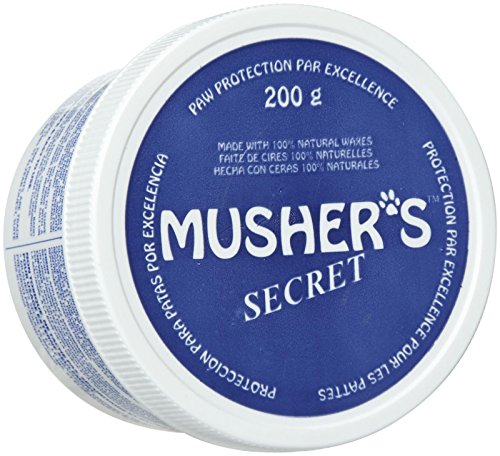
To begin, my experience with a footpad injury occurred this past winter where one of my male Irish Wolfhounds experienced an off-center split on his digital pad causing lameness. In my region, we have significant snowfall accompanied by sub-zero temperatures and split pads are not that uncommon, so, I used a conservative approach. I attempted to heal the pad, with Mushers Secret, an ointment made from food grade waxes which is a very popular preventative used by dog sledders in extreme climates. Usually, this balm can heal minor fissures, and most people have met with tremendous success using it. Suggestion, before you do use it know that it is best applied just before you walk out the door with the dog, otherwise, if applied too thick or if the wax remains on the pads when the dog returns inside you will have a mess to clean up off your floors. I would not use this product if my wolfhounds did not have separate living room accommodations within our home as the wax positively left footprints all over their commercial tile flooring. We do not have carpeting in our home, but I would imagine the wax would remain in carpet fibers and could ruin expensive rugs.
In my case, the Musher did not work, and the fissure continued albeit, abnormally healing creating a painful interdigital callus. At this point, I threw my hands up in the air and decided to have the callus removed as the best way to describe the feeling was like my wolfhound was walking around with a stone in a shoe. Sutures is not an ideal strategy for an 180-pound giant breed in the middle of winter, but, it had to be done as the young male wolfhound was very uncomfortable and obviously still lame. The veterinarian removed the callus and sutured the split pad with non-dissolvable sutures. Now, the next problem was how to keep it dry for 14 days.
I solved this problem by purchasing an unique protective foot and leg dog boot from Medipaw.
Medipaw protective dog boot is a convenient way to keep bandages, casts, amputations & sutures dry and clean. The waterproof/breathable protective dog boot is a useful tool in following through on veterinary treatments. Drier bandages mean less chance of infection, fewer stinky bandages and reduced need for re-wraps. The boots are oversized to accommodate a bandage and splint.

Our wolfhound wore this every time he went outside and was removed after he came back in and it worked very well. The wrapping was changed daily, and before re-wrapping, I allowed the area to air dry for at least a half hour. We did this for one week with suture removal 14 days later. However, the area was not healing well enough as the area remained red and moist but was also spreading to other areas of skin between his digitals and metacarpal pad. This is because the dog's sweat glands located on their pads kept a constant humidity level that was exacerbated by the wrappings. I used Nitrofurazone Powder (aka Puffer) which is an antibiotic to dry the area at the same time as expediting the healing process. This powder is a must-have, and I try to keep it on hand at all times as it is excellent for ears and minor wounds.

Even after applying the nitrofurazone powder and keeping the foot dry, it still seemed too moist to me, and at this point, I said enough and put my trust in Mother Nature. Off came the wraps and off came the Mediboot and out went that foot into the knee-deep fresh snow. Don't you know, after two days the skin irritation, and redness began to heal up quickly. So, through trial and error, experience has shown me that if there is a problematic wet area on the underside of a dog's foot due to a wound that has not healed properly, then my suggestion, depending on the season, would be to allow cold deep snow to work on the wound. While living near the ocean and beaches, I would allow the salt water to help heal by regularly allowing the dog to walk in the surf.
Canine Neospora
Neospora Caninum is a different topic that most dog owners and breeders are completely unfamiliar with being that it is not a widely known diagnosis in our companions. What is it? It is a parasite detected by a serologic blood test for dogs that eat raw beef diets and who are experiencing various symptoms. Clinical signs in puppies six months of age or younger typically are a hindrear weakness, patellar restrictions, paralysis, muscle atrophy. In adult dogs, they range from ventricular tachycardia, seizures, hepatitis, dermatitis, to neurological symptoms such as ataxia and weakening hindquarters....
Neospora Caninum is a different topic that most dog owners and breeders are completely unfamiliar with being that it is not a widely known diagnosis in our companions. What is it? It is a parasite detected by a serologic blood test for dogs that eat raw beef diets and who are experiencing various symptoms. Clinical signs in puppies six months of age or younger typically are a hindrear weakness, patellar restrictions, paralysis, muscle atrophy. In adult dogs, they range from ventricular tachycardia, seizures, hepatitis, dermatitis, to neurological symptoms such as ataxia and weakening hindquarters.
This protozoan parasite can be serious, and if left undetected, can cause injury to the heart as well as permanent paralysis. Additionally, Myocardial Infarction (MI) resulting in ventricular arrhythmia occurs in some infected dogs as well as Dyspnea or shortness of breath, vomiting, and diarrhea in those with the polysystemic disease (of or relating to more than one system.) Other issues, e.g., Retinitis or inflammation of the retina, and optic neuritis also can arise in some dogs. Also, common are ulcers, pneumonia, peritonitis, and hepatitis.
For those interested, The NCBI or National Center for Biotechnology Information has a case study involving a 7-week old Irish Wolfhound puppy who was diagnosed with Neospora Caninum infection. Read it here: "Treatment of canine pediatric Neospora caninum myositis following immunohistochemical identification of tachyzoites in muscle biopsies."
Fundamentally, the protozoan parasite is found in domestic animals called intermediate hosts such as cattle, sheep, goats, dogs but also wild animals such as deer, rabbits, coyotes, wolves and foxes. In bovines, it causes abortions. Transmission occurs from the intermediate host such as from cattle when the dog eats infected tissue. In turn, dogs are considered definitive hosts by shedding the parasitic cysts in their feces but also by transplacental infection by an infected bitch to her puppies. The cysts have what is described as impervious shells allowing for the cysts survival after the feces is gone and can be ingested again by another dog or a grazing animal, hence, toxoplasmosis.
Parenthetically, the Companion Animal Parasite Council (CAPC) reports that:
"Free-roaming dogs, dogs residing in the presence of cattle, and breeds such as Basset Hounds, Boxers, German Shorthaired Pointers, Golden Retrievers, Greyhounds, and Labrador Retrievers are more commonly seropositive."
Insofar as treatment, many Board Certified Neurologists recommend treating Neospora with either one or a combination of these protocols: 1- Clindamycin (4-week minimum) or 2- Trimethoprim sulfadiazine and pyrimethamine or 3- Clindamycin and Trimethoprim sulfadiazine.
Ballyhara Irish Wolfhounds have been naturally-reared for over 20 years, and approximately seven years past, I had a wolfhound diagnosed with Ventricular Premature Contractions. My Board Certified Cardiologist immediately performed two tests. The first was a Cardiac Troponins test for Myocardial Infarction (MI) and the second, a Neosporosis Caninum serologic test looking for the presence of the protozoan parasite. Interestingly, the serologic test results came back at a 1:100; titers with levels greater than 100 indicating probable exposure. After researching the recommended drug protocols, we proceeded with a Clindamycin treatment for an extended period (at least four weeks.) After which we retested, and his titer level came back below 100. This wolfhound never demonstrated any indications of paralysis or weakening.
I was and remain unwilling to use either #2 or #3 combinations of the above-described protocols as there are many concerning adverse effects of the sulfa drug. Still, depending on the titer result, if a very high titer or a dog presenting symptoms were involved then a typical recommendation would be to use the #3 protocol, especially if the dog had a rising titer. Notably, costs for the serologic examination will depend on what area of the country one lives. Texas A&M is the gold standard testing facility for Neospora and my costs, including shipping were $165.00, per test.
Approximately three years past, I had another Wolfhound diagnosed with Ventricular Premature Contractions and whom we also tested for Canine Neospora serum antibodies. Her titer results were higher at 1:400, and as a result, we followed the standard Clindamycin protocol. After four weeks, we retested again and saw a decrease in the titer level.
As recent as one year past, we tested a Veteran Wolfhound for Neospora after I brought him to a Neurologist for consultation on a cervical spine injury with subsequent ataxia radiating down the spine. His serum antibody titer was 1:400. Disturbed, we randomly tested two other veteran Wolfhounds at home, and they both were negative. This time, we did not treat the supposedly affected hound with Clindamycin, and after four weeks, we retested him, and his test results came back at 1:200, lower than the first.
The conclusion of my Specialist was manifold:
1. the first sample indicated previous exposure OR false positive and NOT a true active infection.
2. Danny did not need Clindamycin or TMP-SMZ
3. His neurologic signs are NOT from Neospora, but it may have been in the food that he ate at some point in the past.
I should note here that the NCBI article I prefaced earlier states that
"Definitive diagnosis of neosporosis requires identification of organisms in a muscle or CNS biopsy, using immunohistochemical (IHC) staining."
Essentially, a biopsy of a muscle from the patient is the best procedure to diagnose but also requires a special stain kit. Keep in mind that a muscle biopsy requires anesthesia, and the stain kit is an additional expense usually around $400 in addition to the normal biopsy fee. All told, the costs can add up.
In conclusion, I previously and successfully used the clindamycin protocol to treat Neospora. Still, it remains a mystery how one wolfhound in our pack was seropositive, and others were seronegative. On occasion, there are false positives or dormant infections that a titer may detect, as well as individuals may have different immune responses to the same organism. Although I am not a scientist, I have pondered what may be a possible explanation being that dogs who are naturally-reared and who consume raw beef will naturally have higher titers for the parasite due to exposure but not an infection. I base my hypothesis on the argument that W. Jean Dodds, DVM, and Diana Laverdure present in their book, "Canine Nutrigenomics, The New Science Of Feeding Your Dog For Optimum Health." They state that laboratories have developed their normal ranges based on dogs fed cereal grain foods, but the normal ranges for many of these tests simply do not apply for healthy dogs fed raw diets, and the interpretation of laboratory results for these dogs should take these differences into account. The authors explain that dogs fed raw diets exhibit naturally higher levels, e.g., BUN levels. So, perhaps the serologic test for Neospora is similar?
It is a vexing issue, and although there are cases available, I have found contradictory data on how best to prevent it. Let us set aside the typical reactionary response "Don't feed raw meat" and my sarcastic retort "My goodness, how did dogs ever develop and prosper over thousands of years without the aid of 20th-century dog food and its manufacturing operations based on corporate bottom line?" There seems to be an unfounded solution repeated by many that freezing the meat for 24-hours, before defrosting and feeding, will kill the parasitic cysts. On the contrary, I ascertained that beef meat must be frozen for at least two to three weeks to kill most parasites and incidentally, this also is recommended in the book mentioned above where Dodds states to freeze meats for at least three weeks to kill most parasites. One other solution that I am investigating is Food Grade Diatomaceous Earth which has long been touted as a natural dewormer. Though different, I will keep you updated on what I find.
There you have it -- if and when I have more information I will report it. Hopefully, for that person surfing the Internet in search of information on this topic, you will have found this somewhat helpful...
Pet Food Recalls
Commercial pet food quality has taken yet another hit with the news alert this morning that a popular canned dog food sold in 15 states contained a euthanasia drug. The pet food manufacturer of Evanger’s Hunk of Beef Canned Dog Food has recalled five lots because they contain the euthanasia drug pentobarbital.........
Commercial pet food quality has taken yet another hit with the news alert this morning that a popular canned dog food sold in 15 states contained a euthanasia drug. The pet food manufacturer of Evanger’s Hunk of Beef Canned Dog Food has recalled five lots because they contain the euthanasia drug Pentobarbital.
The website www.Petful.com reports that “Pentobarbital can affect animals that ingest it, and possibly cause side effects such as drowsiness, dizziness, excitement, loss of balance or nausea, or in extreme cases, possibly death.”
Petful.com website not only reports food recalls but also provides a comprehensive manufacturer list for investigation. What's more, it offers a research tool to perform a check on the recall history of commercial dog food brands to ascertain how many times, if any, your brand of dog food has been subject to recall.
Some may claim that recalls are, in certain cases, exaggerated due to an overabundance of caution, but they would be wrong in practically all circumstances. Recalls are in place when a pet food is contaminated for one of many dangerous ingredients such as Listeria, Salmonella, Pentobarbital, plastic, mold, and so on, but also for inadequate and essential vitamin supplementation such as Thiamine for cats. If a dog owner touches a pet food contaminated with Listeria and does not wash up immediately, they can become affected. Any internet search will tell you that fever, muscle aches, nausea or diarrhea can result but if it spreads to the nervous system, symptoms such as a headache, stiff neck, confusion, loss of balance, or convulsions can occur -- not benign in my book.
However, let's get back to the most recent recall -- Pentobarbital tainted dog food! Nearly all of you may express surprise as to why Pentobarbital, a euthanasia drug that is used to euthanize pets and humans alike has been found in commercial dog food. But not me as sadly, I am desensitized to the heinous ingredients contained in many of today's modern dog food brands. Take a long minute to contemplate how this toxic element entered into this company's dog food meat source. Many readers already are aware having read my website that a primary focus of mine is on nutrition having begun approximately two decades past where I researched dog food ingredients and was horrified. One website that I had turned to was www.WholeDogJournal.com which provided vital information on nutrition, origins of pet food ingredients such as manufacturers using chalk to mimic and in place of the more expensive and necessary calcium element, but also sage advice on supplementation and so forth.
Today there seem to be numerous other websites providing information on commercial dog foods, such as this investigative blog, TruthAboutPetFood.com. After quickly perusing their site I found the following to be absorbing, "The VERY Private and VERY Different Ingredients of Pet Food" that details the difference between homonyms -- words we use on a daily basis that have different meanings and that which dog food companies take great liberties with while developing a processed pet meal. Take a brief moment to read it -- for those who are uninitiated with the industry the topic should be engrossing.
"Did you know that almost every single ingredient in your pet’s food has an alternate meaning very different than the same ingredient in human food? And did you know those alternate meanings are privately owned…not public information?"
This article is relatively benign to the many others I have read over the years revealing the truth about ingredients and their origins in commercial pet food. Start doing your research and for the sake of your beloved companion, start feeding them as you would yourself. It is not difficult nor as time consuming as you believe. The dog food manufacturers just want to make you think it is.
Propagating a Breed and the Responsibilities Incurred
This article was originally printed in the Irish Wolfhound Club of America's Harp & Hound magazine Autumn 2016 Issue.....
This article was originally printed in the Irish Wolfhound Club of America's Harp & Hound magazine Autumn 2016 Issue.
Canine Mammary Adenocarcinoma
This is a carry over from my previous Blog Post on "Lumps, Bumps, Masses, Tumors, and Cysts." I wrote on the removal of a mammary or breast tumor from one of our female veteran Irish Wolfhounds (8.5-year-old), and the biopsy test is back. Indeed, the results are that the tumor was mammary adenocarcinoma. Naturally, many people at this point may panic or, at the least, are profoundly concerned.......
This is a carry over from my previous Blog Post on "Lumps, Bumps, Masses, Tumors, and Cysts." I wrote on the removal of a mammary or breast tumor from one of our female veteran Irish Wolfhounds (8.5-year-old), and the biopsy test is back. Indeed, the results are that the tumor was mammary adenocarcinoma. Naturally, many people at this point may panic or, at the least, are profoundly concerned. I have spoken with my general surgeon, and the recommended course of action is to watch the site where we excised the tumor and its surrounding tissue and also her other mammary glands as well by gently massaging the areas frequently to feel for small pebble-like masses. Further, my surgeon explained that sometimes a resected adenocarcinoma could turn serious and affect internal organs, but that, in his experience, seems to be pretty rare. Usually, if it returns, it will be in the mammary tissue.
Ballyhara Declan
According to the American College of Veterinary Surgeons (ACVS),
"More than a quarter of unspayed female dogs will develop a mammary tumor during their lifetime. The risk is much lower for spayed female dogs, male dogs, and cats of either gender. In female dogs, 50% of mammary tumors are benign, and 50% are malignant. However, few of the malignant mammary tumors are fatal.
Additionally, ACVS states that if the mammary tumor is malignant (such as my Wolfhound's breast tumor), the surgical site and regional lymph nodes should be checked for local tumor recurrence and metastasis, as my surgeon already explained, but also abdominal ultrasound and chest radiographs are recommended every 3–6 months to assess for evidence of metastatic disease.
The ACVS goes on to explain:
In dogs there are a number of factors that influence the prognosis following surgery. These prognostic factors include tumor size, clinical stage (how far the cancer has spread in the body), tumor type and grade, and various other pathologic changes seen in the tumor tissue. Benign tumors are cured by surgery, although the development of new mammary tumors (both benign and malignant) is possible. There is a poorer prognosis with malignant mammary tumors, and it also depends on what type of cancer. In dogs, the size of malignant mammary tumors is an important consideration when determining prognosis, both for local tumor recurrence and survival time. The smaller the mass is at the time of surgery (3–5cm or smaller) the less likely it will recur, or metastasize (spread) elsewhere. Dogs can live several years after complete removal of some malignant mammary tumors. So once a mass is found, having surgery to remove it earlier is better.
Keep that last piece advice foremost in mind as although we discovered her mammary tumor several weeks prior -- it grew to a size of a sea scallop in a relatively short time frame before it was excised. It is important to reiterate that mammary tumors are not necessarily always malignant, and some could be due to a highly glandular location. Even in the case of our female's tumor -- although adenocarcinoma was determined by a biopsy -- the rate of growth does not inevitably mean that hers has already metastasized. The rate of growth might also be due to the glandular region. Only time will tell.
One last thought, interestingly, data has revealed, according to ACVS but also other investigative research that in dogs, obesity at a young age is a risk factor.