
DOG BLOG
Musings
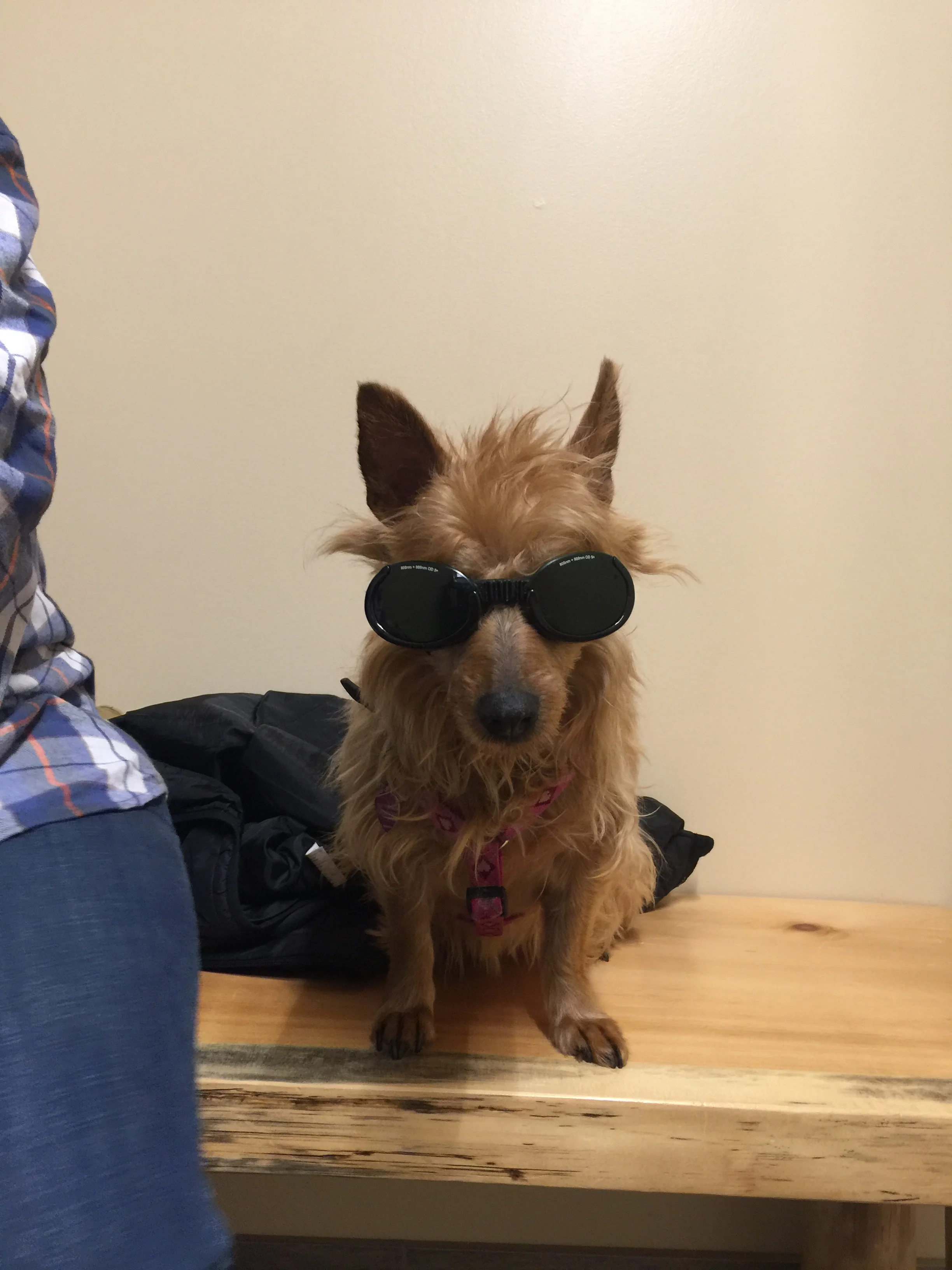
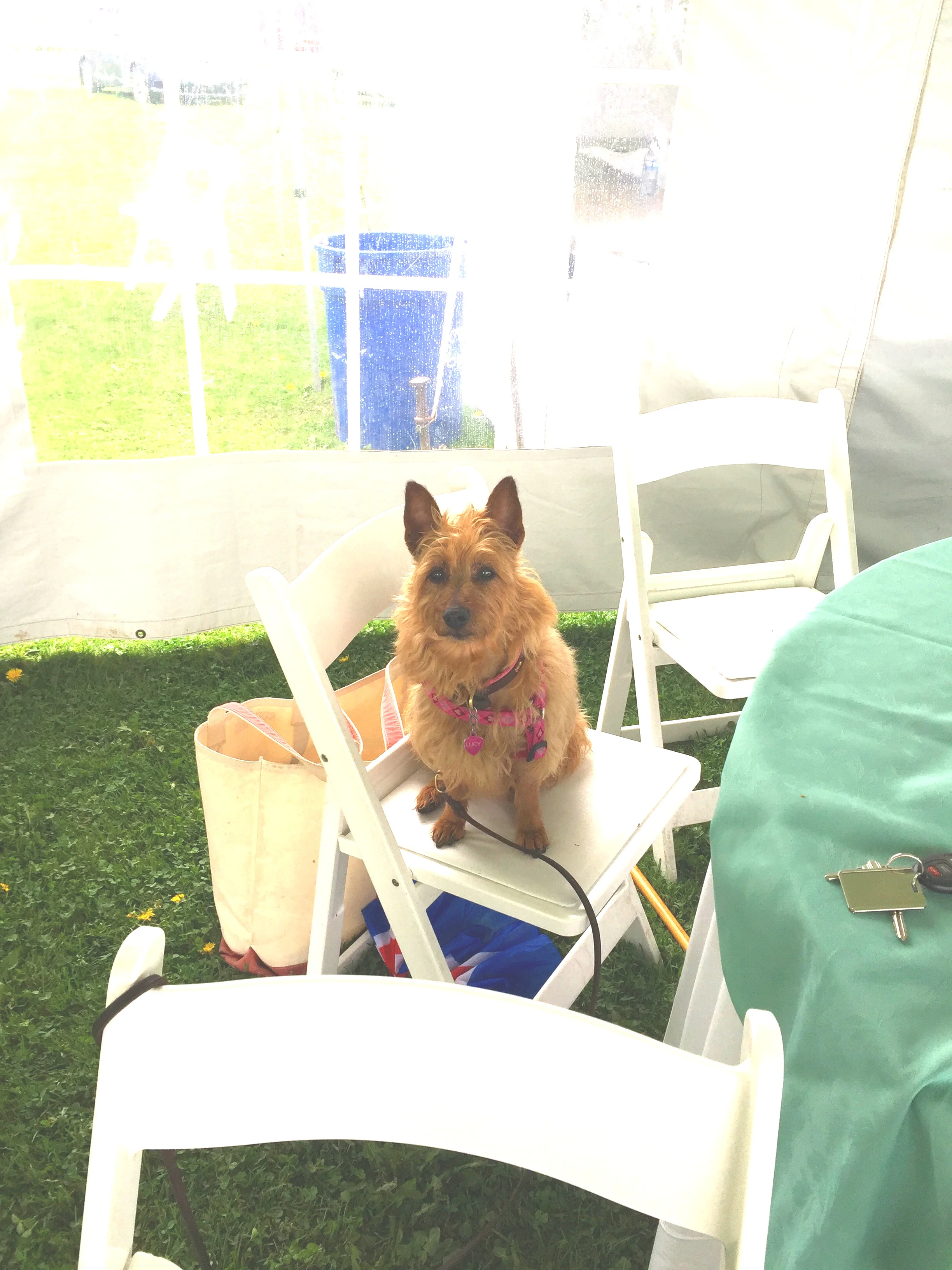
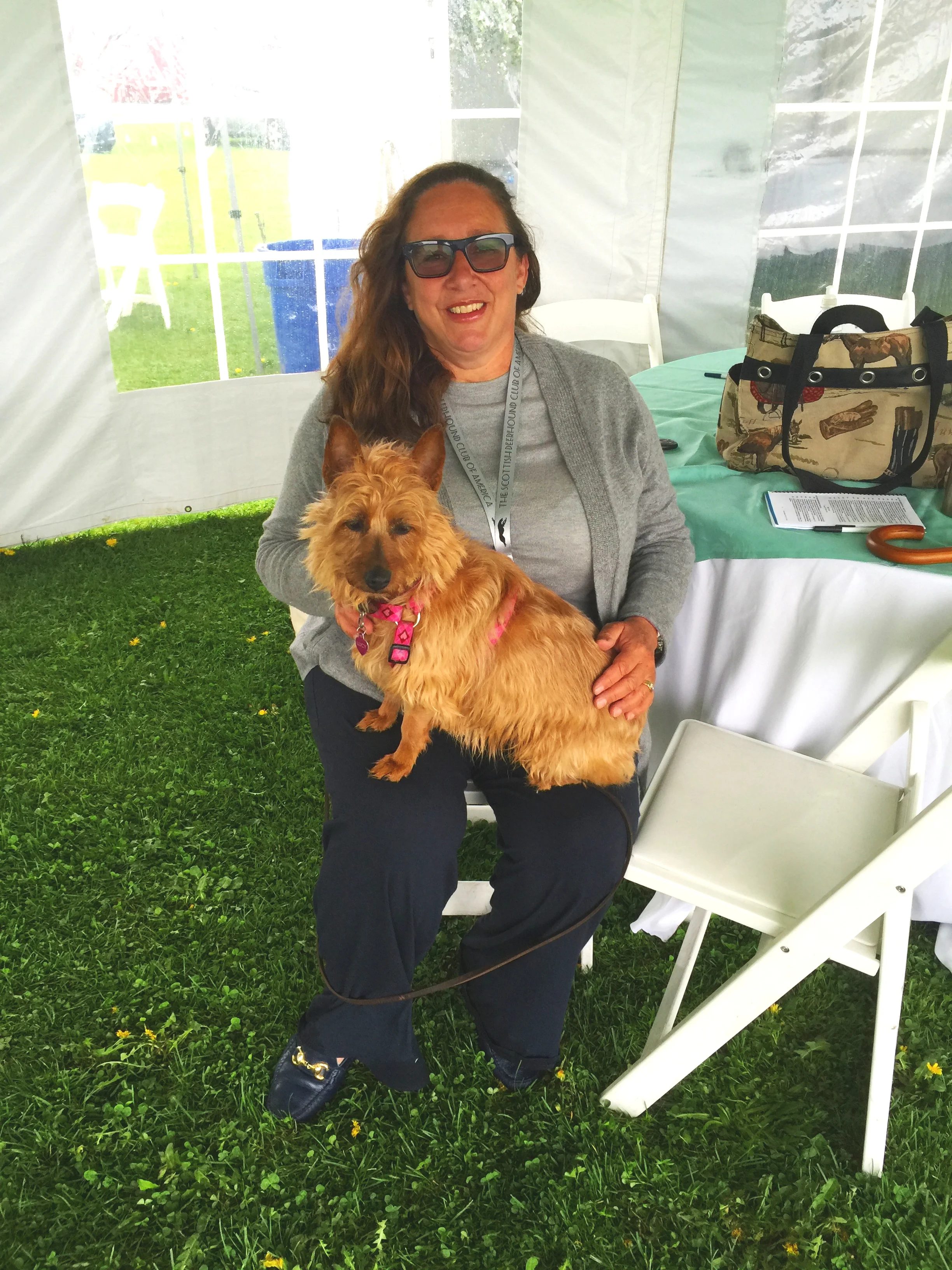
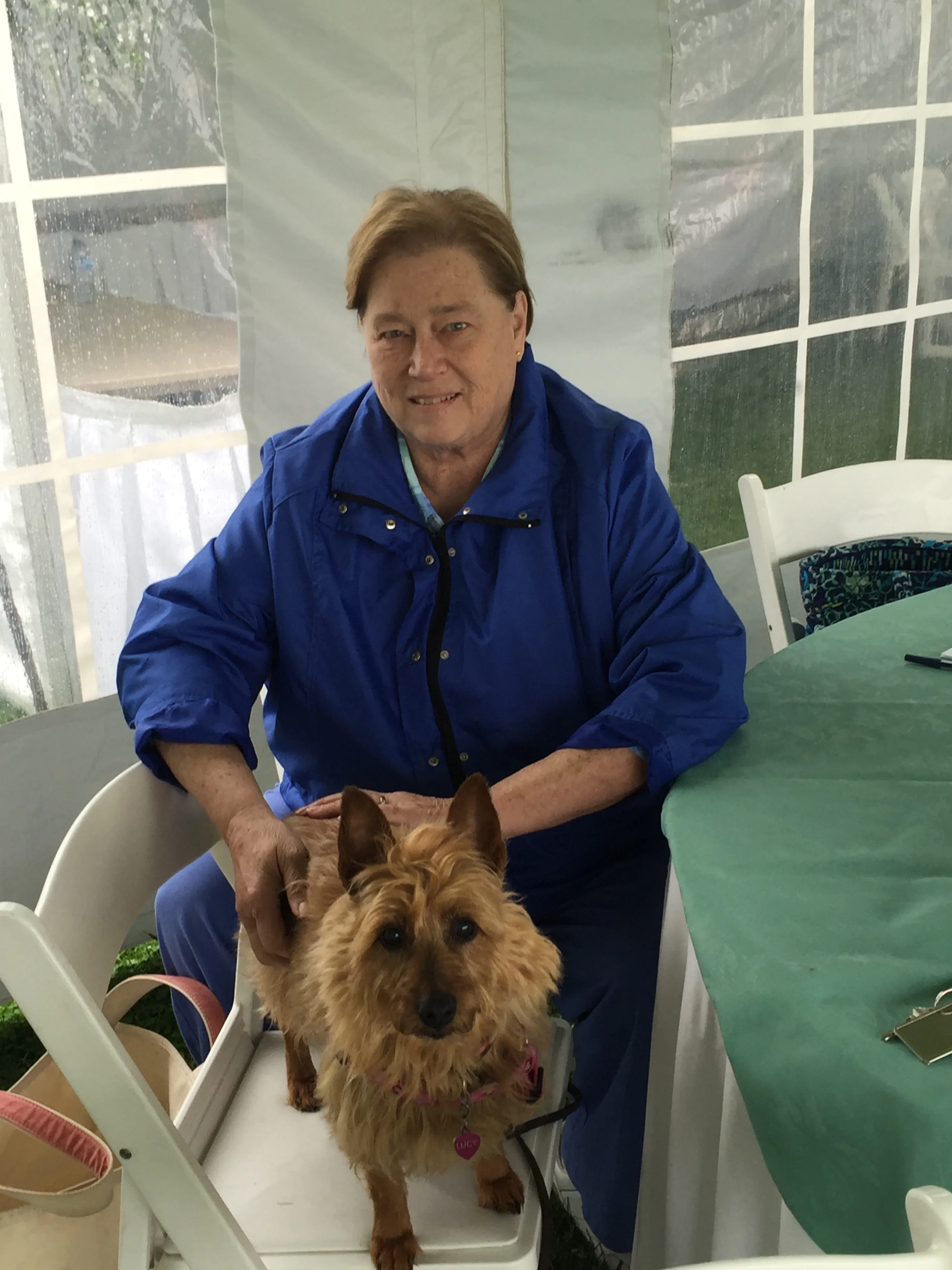
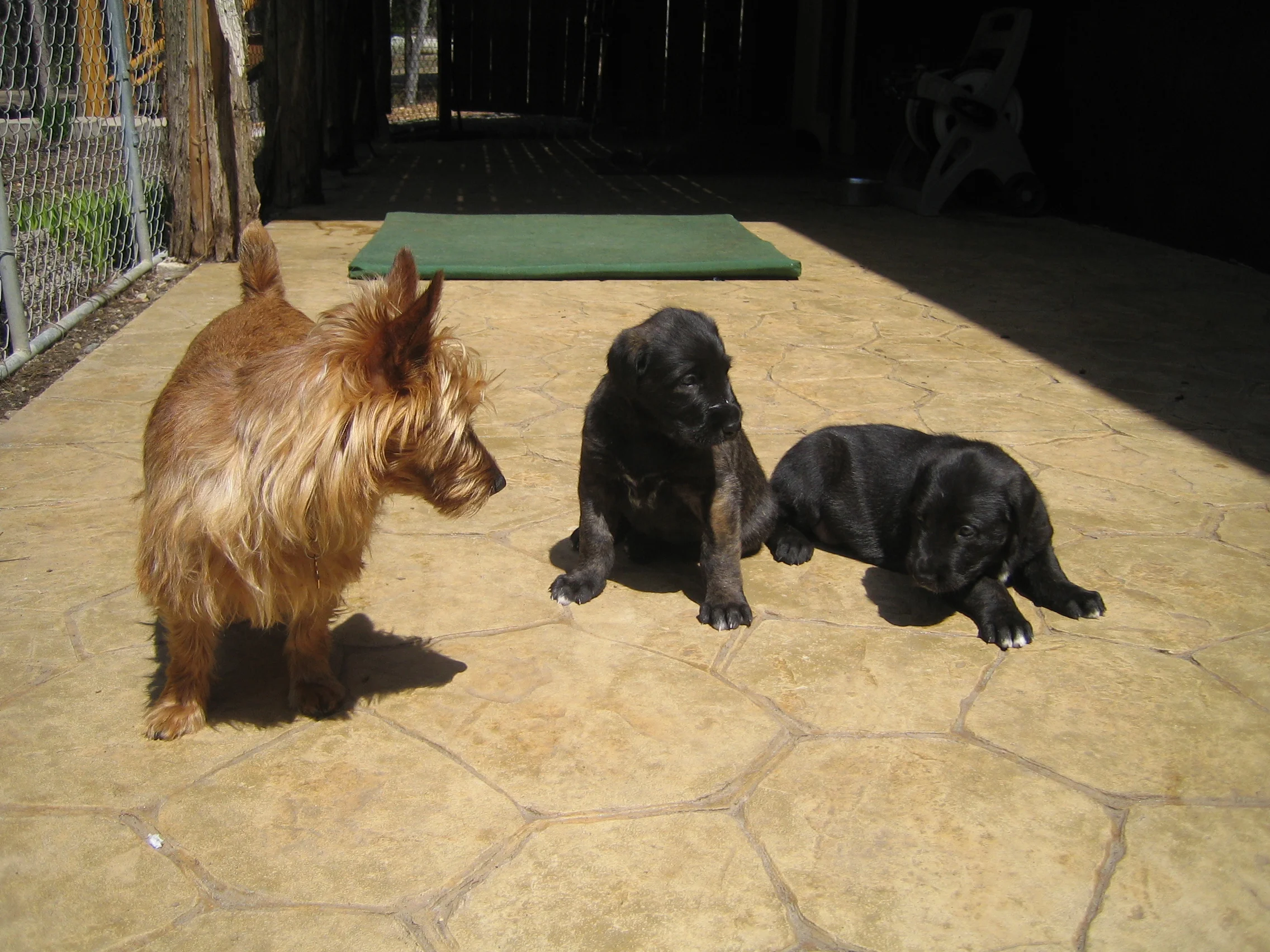
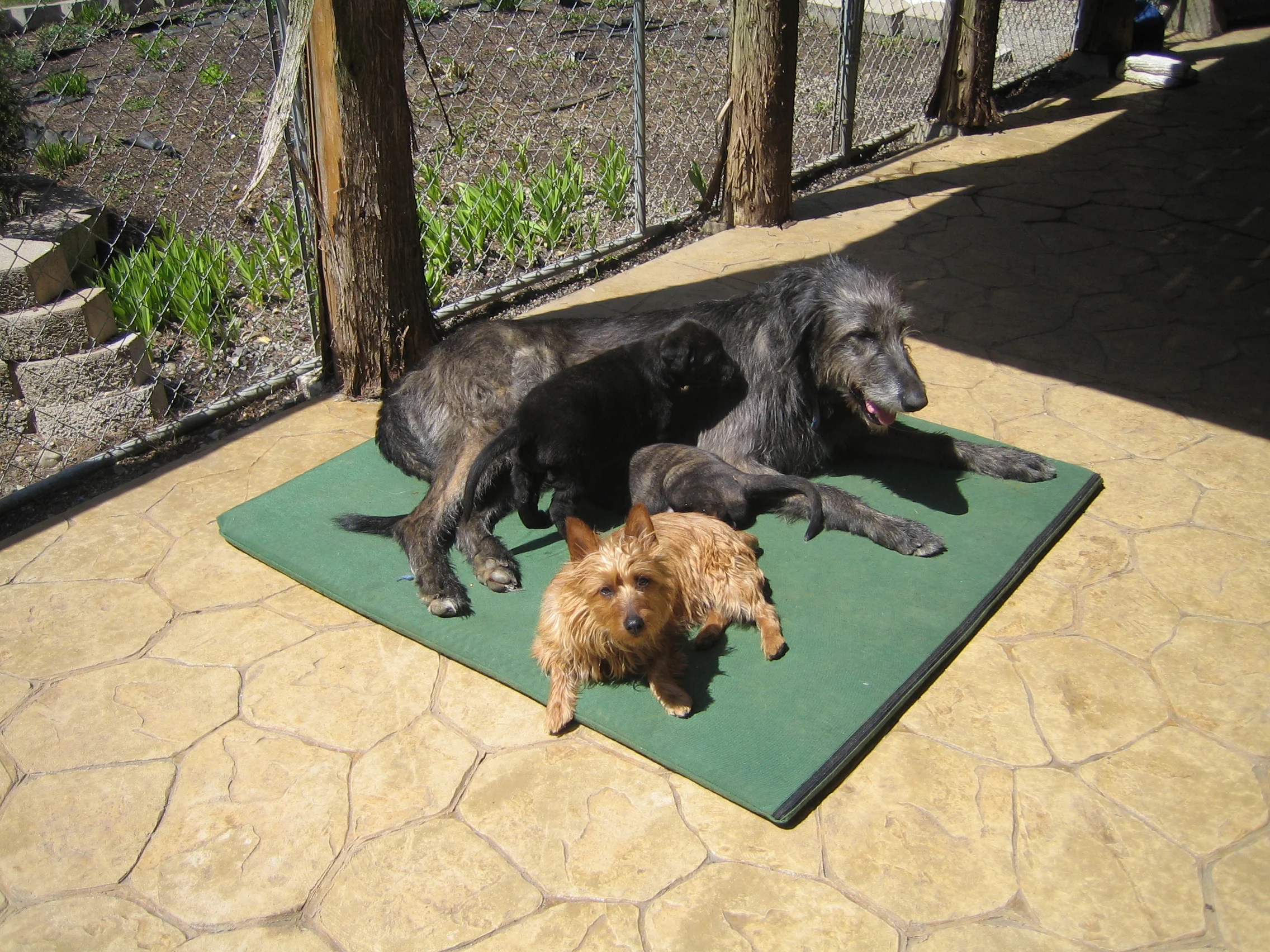
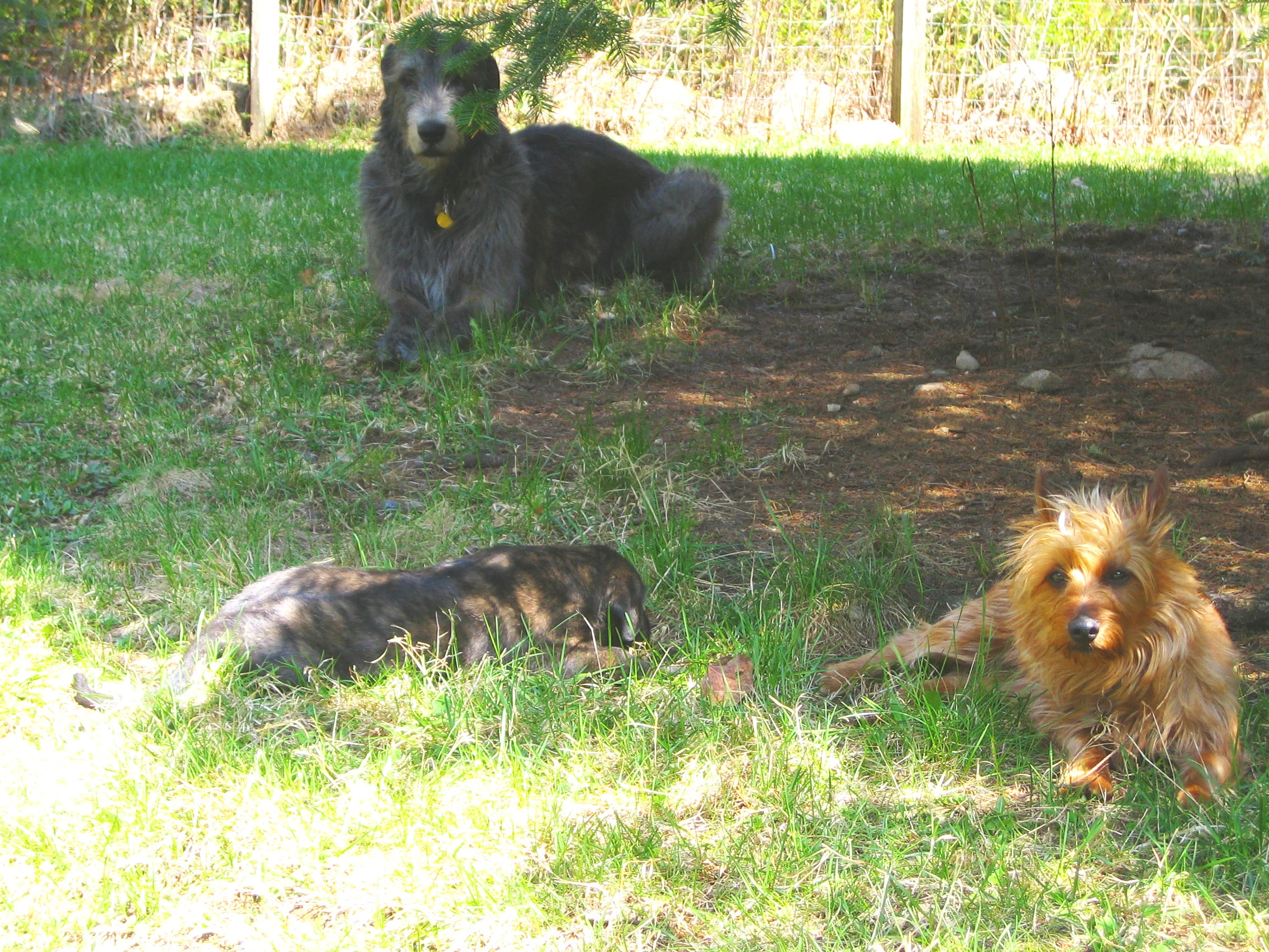
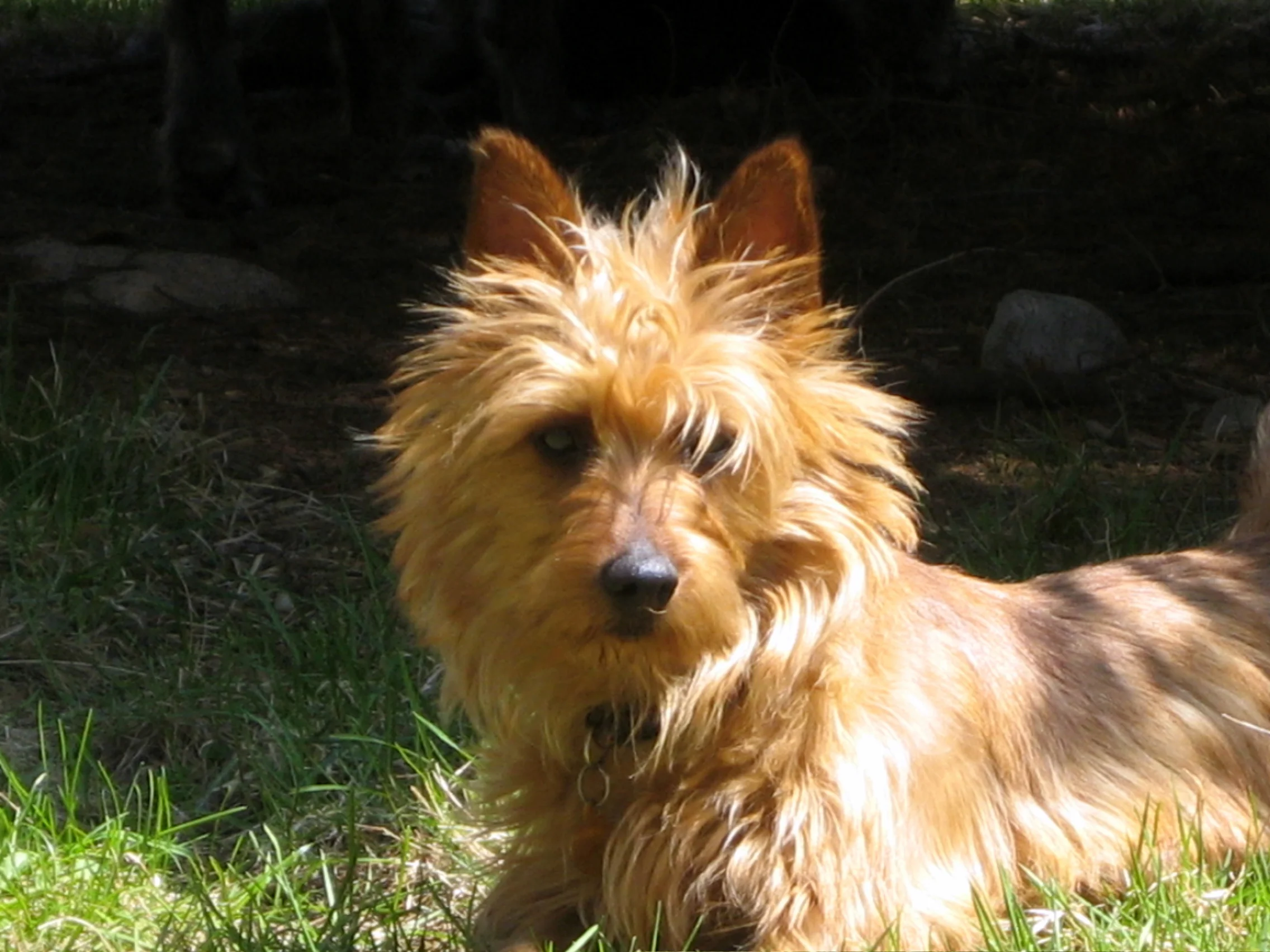
In Memoriam to Lucy, our well-known Australian Terrier
We are broken-hearted to announce that our phenomenal Lucy, "The" Australian Terrier, has passed. She bravely battled against rectum adenocarcinoma for more than a year, but she lost the fight, cancer winning yet another war. She died at 12 years 7 months of age……
Lucy in all her brilliance!
We are broken-hearted to announce that our phenomenal Lucy, "The" Australian Terrier, has passed. She bravely battled against rectum adenocarcinoma for more than a year, but she lost the fight, cancer winning yet another war. She died at 12 years 7 months of age.
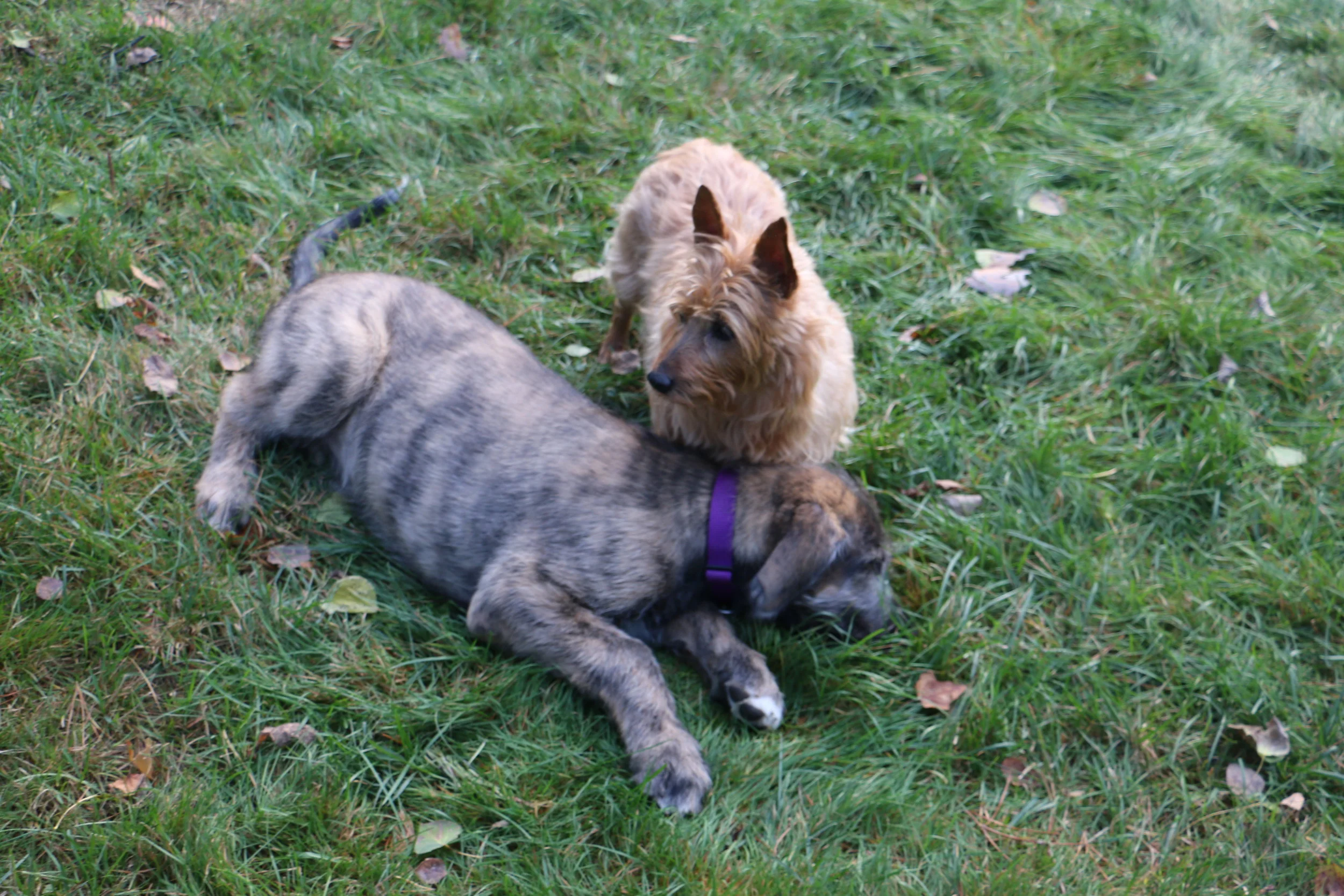
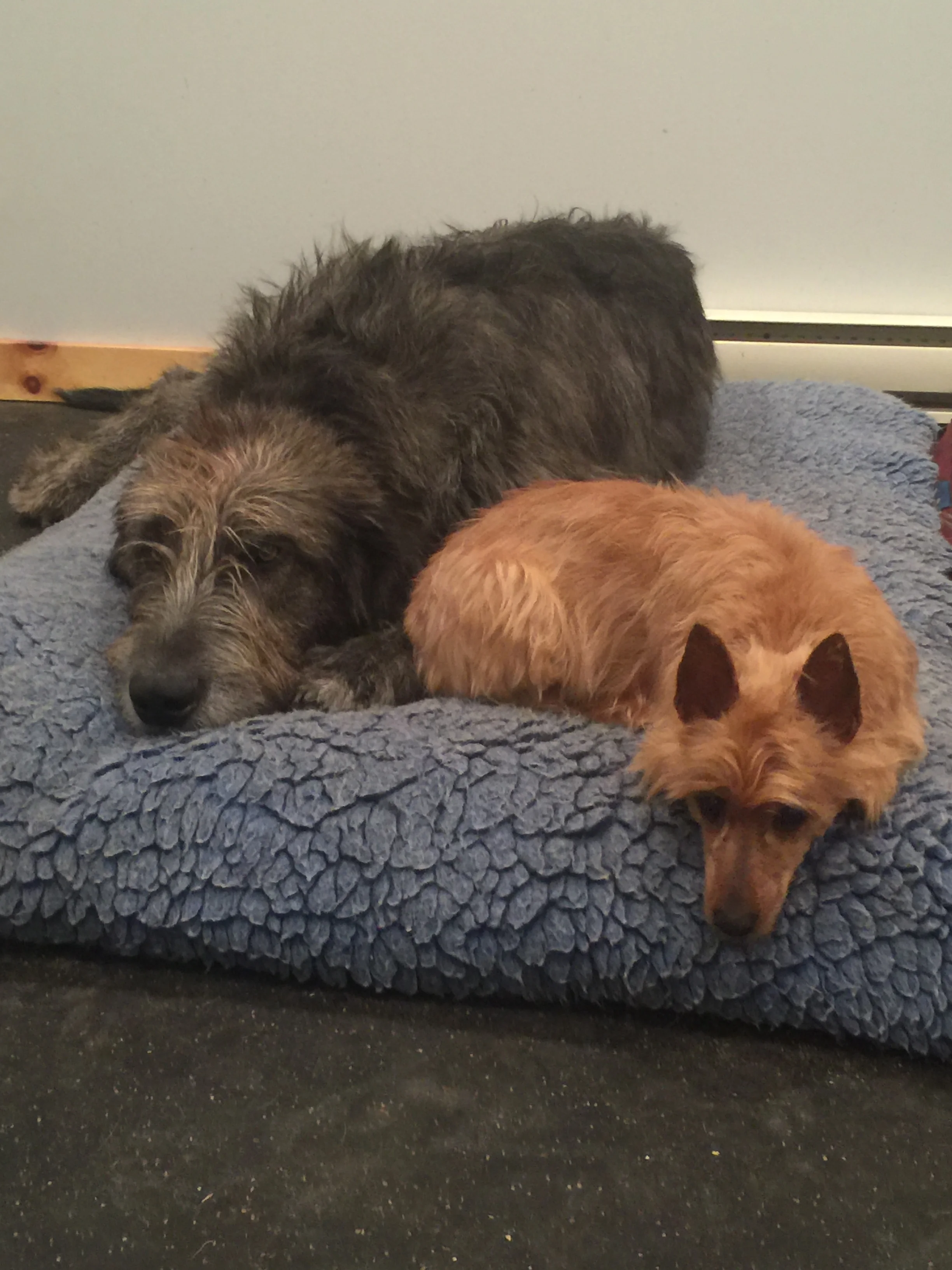
We were privileged to have had the additional 13-months with her after her initial diagnosis. During this time she again aided one of our Dams in raising a litter of Irish Wolfhounds, her role as Queen critical. Over more than a decade, Lucy imprinted on our wolfhound puppies from birth, and she watched over them, teaching them about respectful behavior towards smaller dogs. She drilled them on "Pack Respect," and having arrived at 13-weeks of age; I am firm in the belief that she deemed herself an Irish Wolfhound, merely in a small 18-pound package. Indeed, her schooling of puppies was invaluable, and frankly, I do not know what we would have done without her over these 12.5 years. Lucy could stop even the most intrepid wolfhound in their tracks. Pity the poor, unknowing or foolish hound that would pause to give her a sideways glance or approach her food as it was met with a snarl full of amazingly white, huge dentition and a brief feint at the hound's nose. She never bit nor bullied, but always behaved in a dignified manner. Simply, she earned her respect. Lucy was very intuitive and intelligent; she was proactive -- not waiting for a wolfhound to make a silly mistake, and she disciplined accordingly. A number of our young Wolfhounds were devoted to her. While out and about on the property -- where she went, they followed. In fact, she always accompanied a Wolfhound whenever they had to go to a veterinarian appointment because she had a calming affect on them, especially for Danny who had to go for weekly Laser Therapy and Chiropractor visits.
Lucy was a very popular ambassador to the breed. Everyone who met her was taken with her, even hard-bitten, gruff contractors who professed to not like little dogs, but that they would make an exception for her. Several of them added they would take her if I would allow! Her winning over even the toughest critics of small dogs became so frequent that I used to joke that I would not be surprised if she were kidnapped, without any ransom demand.
Lucy also had fans at the Scottish Deerhound National Specialties. Her striking good looks with red coat including the breed characteristics mane and topknot caught everyone's eye but even more were her mannerisms. She believed herself to be entitled and would join me, and her biggest devotee, Judy Mazurkiewicz, at the Deerhound’s catered outdoor luncheons residing on her very own chair at the table. Deerhound spectators and exhibitors alike recognized me as Lucy's owner and always queried me as to her whereabouts.
We still laugh to this day about the time when Judy and I were seated ringside with Lucy on my lap as we watched the judging. An exhibitor came and sat behind us accompanied by their yearling Deerhound who then had the unfortunate occasion of looking Lucy in the eye. Lucy regarded this as an infraction and instantly felt the need to impress upon this "whippersnapper" that you never make eye contact with the Queen. His unknowing glance inspired Lucy to reprimand the Deerhound with a quiet scolding of full dentition at which point the exhibitor immediately told Lucy, "You be nice!" Most memorable though was the change in the Deerhound's expression as he quickly saw the error of his ways and promptly looked away in compliance with her instructions. As for the duration of his stay, he did not repeat his mistake.
Her reprimand, however, was commonplace for Lucy as she lived with a pack of Irish Wolfhounds and she reigned with impunity. Not that our Wolfhounds were or are timid, not by the farthest stretch of the imagination. If you are familiar with my bloodlines, they are well-bred and true-to-nature Wolfhounds with a fully developed instinctual prey drive. Simply, she earned her stature and respect without ever inflicting pain on another or receiving it herself.
On the day she passed at our home, there occurred a remarkable and inexplicable event. After we sedated Lucy and confirmed that she virtually was comatose, the Veterinarian administered the pentobarbital in her vein as we stroked and spoke softly to her, expecting her to pass very quickly as she was very ill.
What happened next was extraordinary, that which I can only ascribe to her tenacity and stoicism. Though Lucy was fully sedated and feeling no pain, her little heart refused to stop. Instead of expiring, her heart still beat even though she had been given dosage for a 30-pound dog, and she was 17 pounds. After an appropriate time, the Veterinarian was forced to inject a second dose of pentobarbital. The Veterinarian, experienced in both large and small animals over many decades, stated that rarely did he ever have to administer a second dose of euthanasia drug with one notable exception, that being a feral, 20-year old barn cat that hated him. We spoke to and stroked Lucy all the while urging her to go, yet the beating of her little heart continued. Her chest softly raised and lowered continuously as we regularly monitored her heart. We waited. We consoled her telling her it was alright to leave and that it was time to let go. We reminded her of all the earlier Wolfhounds that she knew and was fond of and that they were waiting for her. But she still would not leave us. At this point, the Veterinarian stated, without precedent, that he had to administer a third dosage on a dog. He informed us about the one time he ever had to deliver a third injection, and that was on a horse who refused to succumb. A short time after the third and final extraordinary dose did Lucy finally pass on. She surrendered but only doing so on her terms. She was an exceptional Terrier.
I feel I will be lost without her as she was my constant companion in every part of my daily life. She was with me nearly every moment of the day and night; running errands, traveling for family excursions, attending numerous dog shows, and the like. Where I went -- she went. She was a marvelous creature, and even more, an amazing and beloved, devoted friend of which I will never see the like again.











The Ultra Fine Vitamin C Powder Out-of-Stock and Meanwhile What to Use
A quick note to share about one of two Vitamin C sources that I commonly recommend. Recently, the Ultra Fine Vitamin C Powder, Non GMO, Highest Grade of DSM's Quali-C. Pure Ascorbic Acid. 16 oz. Vegan “GMOFree Vitamins” company located in the United Kingdom were out of stock on this product. I have recommended this product in earlier Blog articles and have used it myself on a regular basis. It is one of the few Vitamin C Ascorbic Acid products NOT made in China. As I write on my Ballyhara Diet & Nutrition page 90% of all Vitamin C products are manufactured in China, and in my opinion, it is paramount that we source products NOT manufactured in China, especially edible foodstuffs.
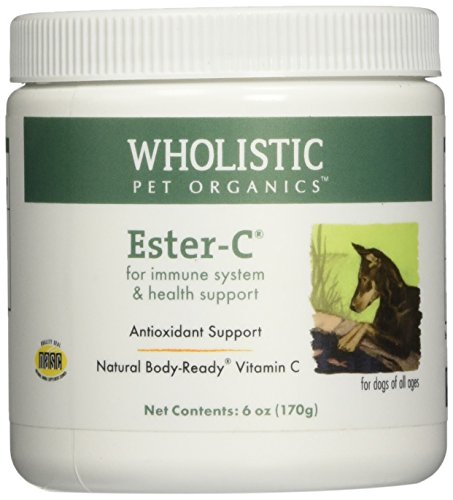
During this outage, I used the Wholistic Pet Ester-C, as an excellent substitute which is a different form of Vitamin C being Ester-C. I recommend that you read my previous post on the pros and cons for choosing and all the particulars regarding other vitamin supplements we use. I did all the legwork for you so you might as well take advantage of it.
Read Reposting & Revised Vitamin Supplement Warnings: Look at the Ingredients!
Cardiovascular (Heart) Disease in the Irish Wolfhound
Most novice and current owners do not realize that advanced annual cardiac screenings, to include Electrocardiograms (ECG) AND Echocardiograms (Echos) are paramount in the care and maintenance of your Irish Wolfhound. Typically, these screenings are performed during the adult stages of growth (beginning at two years) and onward throughout their senior years…..
Cardiovascular (Heart) Disease
Notably, Dilated Cardiomyopathy (DCM), Atrial Fibrillation, and Ventricular Premature Complexes or Contractions (VPC).
Most novice and current owners do not realize that advanced annual cardiac screenings, to include Electrocardiograms (ECG) AND Echocardiograms (Echo) are paramount in the care and maintenance of your Irish Wolfhound. Typically, these screenings are performed during the adult stages of growth (beginning at two years) and onward throughout their senior years. However, regular electrocardiograms (ECG) are recommended earlier on to monitor any conditions that may develop. I implore all Irish Wolfhound owners to please read my DogMusings Blog Post title, "Irish Wolfhound Heart Health" for a brief but important explanation on necessary, annual, full-scale heart evaluations. Afterwards, please read the "Holter ECG Ambulatory Monitor" article for more details.
OFA Required Annual Testing
The Orthopedic Foundation for Animals (OFA) breed testing information effective April 1, 2016, states that the OFA in consultation with the American College of Veterinary Internal Medicine (ACVIM), has instituted the Advanced Cardiac Database (ACA) which has become the new standard for cardiac exams and replaced the previous OFA Congenital Cardiac Database. Moreover, all exams for the new Advanced Cardiac Database are limited to boarded veterinary cardiologists with Diplomate status in either the ACVIM (American College of Veterinary Internal Medicine/Cardiology subspecialty) or the ECVIM (European College of Veterinary Internal Medicine/Cardiology). No general practitioners or other specialists can submit examination findings.
Adult congenital clearance only remains valid for one year from the time of the exam. This is because congenital heart disease can affect our breed from early, mid to late onset ages and is why I am explicit and direct when I urge that each and every Wolfhound over the age of two should have annual, advanced heart evaluations.
Advanced heart evaluations performed by BOARD CERTIFIED Veterinary Cardiologists include:
1—An EKG, ECG or Electrocardiogram which shows electrical currents of the heart and will reveal, but not always, arrhythmia’s or abnormal rhythms.
2—An Echocardiogram (Echo) shows the physical condition and structure of the heart. One of the devastating and leading causes of death in our breed is Dilated Cardiomyopathy which essentially is the diminishment of the heart’s ability to serve as a pump. DCM is diagnosed by Echocardiography, which demonstrates the chamber dilation of the ventricles and wall thinning, and indicates, if any, decreased pump function through the heart. During an Echo the heart is evaluated in real-time, live action. This cannot be done by any other procedure. During the procedure, the Diplomate takes measurements which, in turn, they cross-reference with standard measurements for the breed to determine if they perceive a thinning of the walls, enlargement of the ventricles. If so, then the Wolfhound may be in the early stages of DCM.
ANNUAL Echocardiograms are required for the Advanced Cardiac Database and “is viewed as a critical component by the ACVIM/Cardiology group in order to even consider diagnosing dogs as normal when many cardiac diseases of concern to breeders can develop at any time in the dog’s life.”
Clinical signs of DCM occur secondary to either decreased delivery of oxygenated blood to the body (lethargy, weakness, weight loss, collapse), or to congestion of blood in the lungs (coughing, increased respiratory rate and/or effort, abdominal distention) or both. Cardiac dilation, decreased oxygen supply, and increased oxygen demand secondary to elevated heart rate and ventricular wall stress may predispose to the development of cardiac arrhythmia’s arising in either the atria (atrial fibrillation, supraventricular tachycardia) or in the ventricles (ventricular premature complexes, ventricular tachycardia). Arrhythmia’s may predispose affected dogs to sudden death.
Unfortunately there are far too many IW owners who think they know-it-all and assert that their local veterinarian listened via auscultation (Stethoscope) to the hounds heart and no arrhythmia’s were detected. Even worse, there are general veterinarian practitioners who believe that EKG’s will suffice and that the odds of an Echo or further, a Holter monitor diagnosing any arrhythmia without an irregular EKG is essential lay impossible and therefore contraindicated. Straightforwardly, no Diplomate would agree with this notion. Simply because an EKG does not reveal aberrations does not clear the hound of arrhythemia’s, DCM, abnormalities of the pericardium, possible tumors, blood clots, etc.. ONLY an Echocardiogram can do so.
Negligent treatment by unknowledgeable general Veterinarians are risking the well-being of many companion wolfhounds and I implore the owners to be their Wolfhound’s health advocates. Ask questions, disagree, schedule the annual Advanced Cardiac Assessments yourself with a Board Certified Cardiologist. If you have to drive several hours each way — so be it! Trust me when I tell you that doing so may SAVE your IW’s life in the future as well as a world of heartbreak.
If the Board Certified Specialty Practice requires referrals then advise them that you do not have one as you disagree with your general veterinarian about the advanced cardiac screenings your HIGH RISK BREED requires. Repeat what I have stated above and inform them that the Advanced Cardiac Database (ACA) has become the new standard for cardiac exams and that all exams for the new Advanced Cardiac Database are limited to boarded veterinary cardiologists with Diplomate status in either the ACVIM (American College of Veterinary Internal Medicine/Cardiology subspecialty) or the ECVIM (European College of Veterinary Internal Medicine/Cardiology). Keep in mind that you are not required to submit any findings to OFA.
Lastly, consider that as part of the Advanced Cardiac Database both the Boxer and Doberman breeds are required to submit Holter Event Monitor results (24-hour ambulatory EKG) in addition to Echo & EKG. If the annual gold standard for Boxers and Dobermans includes Holter Monitor results then it should be the gold standard for Irish Wolfhounds as well.
It is my considered opinion that annual heart testing on all adult Wolfhounds, from two years onward, should include an annual Holter ECG Monitoring which is a 24-hour recording to monitor for irregular heart rhythms. Undiagnosed or unknown malignant VPC's can result in feinting, collapse (syncope) or worse, sudden cardiac arrest.
I will be straightforward, if you desire this breed then you must be prepared for the expenses that come with them, and at the risk of sounding crass, you need a fat wallet. Yearly cardiac evaluations can cost, depending on your region, $400-$750 per a Wolfhound. If your Irish Wolfhound is diagnosed with cardiac disease, pharmaceutical expenses for their heart health management can be costly as drugs regularly increase in cost. The annual costs for cardiac drugs will outweigh any annual cardiac screenings with a Board Certified Cardiologist. Parenthetically, the drugs used for treating heart conditions are the same ones used for humans. See my Expenses page.
As a disclosure, I must state though that I do not concur with the statement set forth on the Irish Wolfhound Foundation website suggesting that we have experienced a decrease in overall heart conditions in our breed. I especially disagree with the suggestion that VPC arrhythmia's are mostly benign in Irish Wolfhounds. In my considered opinion, numerous hounds have or develop malignant ventricular arrhythmia's and these can be diagnosed by comprehensive annual heart health exams and controlled early on with life-saving, and life-prolonging drugs. I have received too many inquiries and calls from people looking for a puppy or advice who had lost an IW to heart disease or who have an IW diagnosed with such and the hound is faring poorly. I always inquire as to when the heart condition was diagnosed and 100 percent of the time the owners informed me that it was recently diagnosed and all said they had NOT had ANY advanced annual heart screenings performed on the wolfhound prior. Not one. The reality is that people do not take responsibility and educate themselves about the breed of dog that they have and are then heartbroken when a chronic, manageable disease is diagnosed at too late a stage.
The Wolfhound cannot be his own Health Advocate!
Irish Wolfhound or Any Sighthound Breed Emergency Kits
I suggest that all Irish Wolfhound owners organize and have an emergency kit available at all times, especially if you plan on traveling with your Wolfhound. In it should be several indispensable items that I have linked to Amazon for ease of purchase….
I have posted on my website Irish Wolfhound Health Concerns the items that are absolutely necessary for an Emergency Kit. This kit is terrific for any of our Sighthounds but could be a lifesaver. If anyone has additional suggestions please send me a comment or an email.
Irish Wolfhound Emergency Kits
I suggest that all Irish Wolfhound owners organize and have an emergency kit available at all times, especially if you plan on traveling with your Wolfhound. In it should be several indispensable items that I have linked to Amazon for ease of purchase. Just click on each item’s photo following the list.
Hyland's Carbo Veg. 30X Tablets, Natural Homeopathic Relief of Nausea, Heartburn or Gas. IMO, these Carbo Veg pellets are crucial to have if you own any giant or breed prone to Bloat. If your wolfhound is pacing, looking very uncomfortable, has difficulty lying down or lies down and immediately gets up or is retching and or vomits yellow bile, or has a firm, distended stomach then dose immediately with the adult human dosage of 4 pellets. However, if you have a very large IW weighing approximately 160 pounds or more then I would begin with 6 pellets. Tip 6 pellets into the bottle cap and then raising his muzzle upwards, open your IW’s mouth and drop the pellets into the back of their throat, quickly closing his mouth and massaging his throat. If they are not swallowing or trying to gag grasp the muzzle closed and then blow in his nose to make them swallow. The pellets dissolve within a 20-30 seconds. Repeat again every 30 minutes while you seek emergency medical care.
Alumina from Boiron 30c. This is another important homeopathic remedy that is in my Emergency Kit at all times. Boiron® indicates that Alumina may be effective in alleviating various digestive issues. Aloe in this form could provide relief from stomach problems‚ like flatulence and indigestion. I use this the same exact way I use the above Carbo Veg. and dose immediately after I dose with Carbo Veg. I recommend using the adult human dosage of 5 pellets, but again if you have a very large wolfhound over 160lbs. then I would increase to 6 pellets. Repeat again every 30 minutes while you seek emergency medical care. Both of these homeopathic remedies may alleviate the gas buildup causing distress and could very well save a life while you are seeking emergency care, and may relieve or reduce the gas buildup while you are en route to a Veterinarian.
Remedies for simple upset stomach. If your dog has an upset stomach, the above recommended Carbo Veg and Alumina should be used to quell the nausea. For non-emergencies, use the Carbo Veg and Alumina 4 times per day if your dog is nauseated, car sick or is refusing food and they do not have a temperature.
Metronidazole aka Flagyl. We do not travel with our wolfhounds without bringing along prescription Flagyl. It is an antibiotic that treats diarrhea resulting from inflammation of the colon due to bacteria, as well as intestinal infections due to the Giardia parasite, Gastritis and Colitis to name a few. This you will have to obtain from your Veterinarian as it is only available via prescriptions. Get a bottle before you leave.
Proviable DC Digestive Health Supplement. This is a portable Probiotic with Prebiotics that should be given when a dog has diarrhea. Each Capsule has 5 billion CFU’s. However, I give this on the day of our trip and every subsequent day afterwards while traveling until we return home as it regulates the Ph balance in the gut and is very helpful during times of stress. Dosage is one capsule daily during times of travel and is easily hidden in a soft treat. Give immediately at the first signs of loose stools.
Rectal Digital Thermometer.
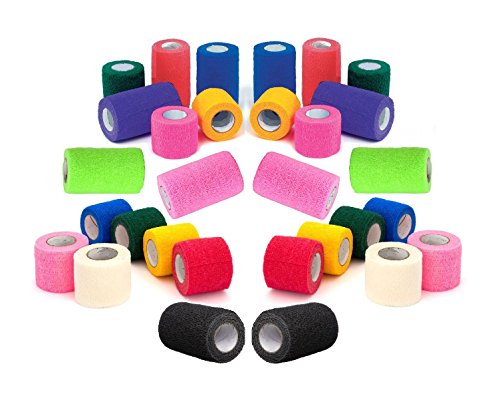
Gauze, non-stick bandages, and adhesive tape. This is for covering a wound, stopping bleeding or even a sprained ligament. I use 3M Vetrap 4” wide, soft gauze and nonstick gauze pads. Also stock waterproof adhesive tape, especially if it is wet outside as Vetrap is not waterproof.
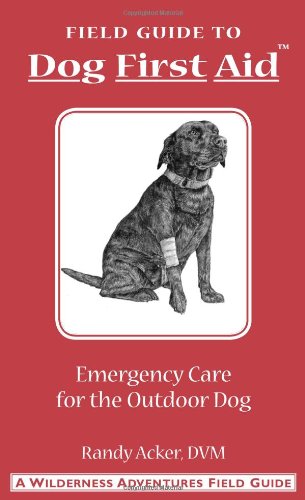
A Canine First Aid Manual and/or download The American Red Cross App “PET FIRST AID”. Have either or both available at all times —I recommend “Dog First Aid: A Field Guide to Emergency Care for the Outdoor Dog” which is pocket sized and can fit in any emergency kit. The American Red Cross App PET FIRST AID is very good as well and is on my Smartphone and iPad. Another choice for a small portable emergency book is the Pet Emergency Pocket Guide 2nd Edition which has tabs at the bottom making it very easy to find information in a hurry.
Cephalexin Antibiotic. I do not travel without this antibiotic in case of the onset of high fever which may be present if the Wolfhound has diarrhea or lethargy. You will need to obtain Cephalexin from your veterinarian as it is a prescribed antibiotic. Explain that you will be traveling with your hound and in case of emergency, away from home, it may be extremely helpful to control an unexplained fever as a result of a bacterial infection such as a respiratory tract infection or a soft tissue infection.
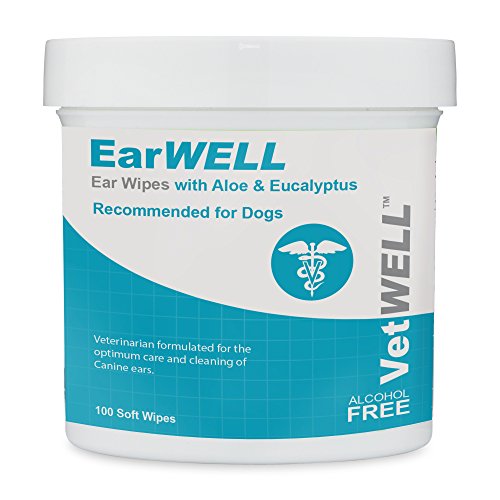
Dog Ear Wipes. Such as VetWELL Dog Ear Wipes - Otic Cleaning Wipes for Infections and Controlling Yeast, Mites and Odor with Aloe and Eucalyptus.
Cotton Balls and Swabs. I carry the long ear swabs such as BambooStick Cotton Buds for Dogs for hard to reach spots deep in the ear canal.
Scissors.
Bottled Water. Always, always, always use bottled water or bring enough water from home to last the duration of your trip. Do not give your dog water that he or she is unaccustomed to as it could result in diarrhea.






Multiple Organ Failure and Acute DIC
Sadly, we lost our much loved Danny several weeks ago at 9 years 11 months of age. Though we did not perform a post-mortem, the suspected cause of death was multiple organ failure and possibly acute DIC (disseminated intravascular coagulation)…..
Lisa and Ballyhara Danny 2018
Sadly, we lost our much loved Danny several weeks ago at 9 years 11 months of age. Though we did not perform a post-mortem, the suspected cause of death was multiple organ failure and possibly acute DIC (disseminated intravascular coagulation). My primary vet believed it to be Hemorrhagic Gastritis as it had a very sudden onset with black tarry sludge pouring out of him. This color is caused by iron in the blood becoming oxygenated when it passes through the ileum and colon. One minute he was healthy, running around the paddock and he came into the house to rest, slept soundly, and when I entered the room again, he had just gotten up and had black sludge flowing out of him. I had never seen anything like it and can best describe it as turning on a faucet. There was no vomiting, and his gums were very pale. The quantity was so vast that I had to hose the lawn down where the black coal revealed itself as blood with a foul odor. Danny was rushed to the veterinarian, and we ran bloodwork diagnostics on him. His red blood cell count was low, and his white blood cell count was very high. Generally, with Hemorrhagic Gastritis, the red blood cell PCV (Packed Cell Volume) is elevated and often they have normal or low blood protein levels. As a result, this diagnosis was set aside. My gut feeling was that an organ(s) was shutting down as a result of the heart medications and nerve pain medication he had been taking over several years, on a daily basis. He had been taking 1500mgs of Mexelitine 3x daily; 80mgs Sotalol 2x daily; Pimobendan 40mgs daily; Enalapril Maleate 40mgs daily; Gabapentin (for his Cervical neck injury see other posts) 400mgs 2x daily.
Ballyhara Danny
I must deviate here to point out a relevant topic. All novices and students of Sighthound breeds should be acutely aware that CBC (complete blood counts) and blood chemistry as related to Sighthounds, in general, are different than other breeds. Typically, Sighthounds have WBC (white blood cell counts) values usually at the very low end of the normal range. So, for example, IDEXX Laboratories values state that average WBC counts (Reference Interval) are 5.05 to 16.76. Danny's was 17.23 which indicated either extensive inflammation, infection or other stresses. Typical Sighthound WBC should range from 5-6, and everyone should be aware of this idiosyncrasy. If their sighthound's WBC is elevated above this 5-6 range then, indeed, a WBC of 8 is considered raised for this genre of dogs and should be of concern.
Even if my gut feeling were correct, there would be no hope for Danny, but my vet wanted to proceed if he had a massive infection, though he had no temperature. We started with an injectable Baytril along with an intervenous dosage of Metronidazole (Flagyl), and IV fluids over the course of several hours after which I brought him home. That early evening as he relaxed in the shade on the patio he again had a small amount of black stool leach out of him. I take great care in making sure that my hounds are well-hydrated; therefore, I gave Danny an organic low-sodium warm chicken broth (8 ounces to start) via an oral syringe to provide him with energy and nutrients. The next morning, I began organic baby food purees such as simple chicken and rice along with small amounts of applesauce and yogurt but he would not freely eat it, and I had to hand feed it to him. This was entirely out of the ordinary as in the past when he had a bout of diarrhea after picking some virus up at a dog show he would still freely eat food if it were offered to him.
Note: On the topic of diarrhea and fasting, I DO NOT subscribe to the notion of fasting a dog who has diarrhea. I especially do not Fast an Irish Wolfhound, even more, a 10-year-old male weighing 173 pounds (without an ounce of fat on him!). Many of today's mainstream vets still recommend fasting the animals for 24 hours. Nonsense I say, as this only enhances the misery, it weakens them further and makes them feel even crummier. More shamefully, some Internet columnists recommend no water which is dangerous as diarrhea causes dehydration and the loss of electrolytes. Also be aware that there are one or more studies that show that Microbiota modulation changes occur due to a negative impact on gut physiology from fasting. The loss of microbiota is very concerning, and in my considered opinion, it is JUST ONE of several determinants in Gastric Torsion or Bloat (I have no data to prove this, but it has been a theory of mine for decades). Additionally, I also give raw honey -- NOT honey purchased in a supermarket but unheated, unprocessed raw, pure honey.
Despite my efforts, it was evident to me that a much more serious underlying issue was occurring. Though Danny's gums regained some color, they remained paler than usual and his Capillary Refill Time was prolonged. Though he was not lethargic and lying on his side, he still remained in the prostrate position up on his elbows which is another sign that seasoned breeders look for depending on the issue we are attempting to detect or determine. He had fight in him, but he was not interested in the food I was giving him which again was remarkable for him. The end of the third day brought no improvement, despite his antibiotic regimes as he, again, had small amounts of the black coal leaching out of him where he lay. By the morning of the fourth day Danny still had black feces coming out of him, albeit in much smaller amounts, and still had no interest in food. It was then that we knew that we had to help him pass on as fluid began accumulating in his abdomen.
Here I must tell the Reader as to how Danny chose to pass on because it was quite extraordinary. At 10 years of age, Danny had always been very astute and had learned that unfortunately on a few occasions, our longtime primary veterinarian's appearance at our home coincided with the loss of one of our wolfhounds. I have always insisted that my hounds leave while at our home where they are comfortable and not frightened. Over the 10 years of his life, he had noted the loss of litter sisters, as well as his Dam and Uncle, and his partner Jane. He also learned very early on to identify our veterinarian's car so that in the past, whenever Darcy arrived for annual exams, blood draws, Rabies vaccinations or Titers, even before she exited the vehicle, he would bark at her with an unusually high pitch. A bark that was nothing like how he barked when a stranger arrived, or at the neighbor's dogs when they walked by the house, or while trying to play with the other hounds. On the 4th day, as Darcy arrived for the euthanasia, we were outside in the garden that he loved, resting on a blanket as he was up on his elbows, and as she drove in the lower driveway, he watched her carefully and silently. He did not attempt to bark, he did not try to raise himself up to greet her, just silence. It was not because he was weak or sickly as he lay there proudly arching his neck with the most magnificent gaze while watching her enter through the gates to examine him. He simply knew it was his time to leave us. He was not frightened, but instead, he was ready. And as he looked me in the eyes for the last time, he licked me and said farewell and was gone within a few brief seconds. He was a remarkable animal, and my exceptional friend, one I will never forget.
Danny died 4 weeks short of 10 years of age and 10 days before his grandchildren being born. We would have loved for him to have been able to be here for his grandchildren as we have Danny's mate and the pups Grandmother, Kennedy, still with us who is 10 and a half years of age. I firmly believe that the organ failure was due to the extensive medications he was taking for his late onset, adult Ventricular Tachycardia heart disease, without Dilated Cardiomyopathy. He had undergone a final echocardiogram four months earlier as well as a 24-hour ambulatory Holter monitor in which the Cardiologist had increased his Sotalol to 80mgs 3x daily. Some forms of heart disease are considered a chronic disease in which some dogs can live for years on medications, but there are consequences to this. I believe there are long-term effects from the drugs that develop over time and can result in organ failure.
Ballyhara Cinneide (Kennedy) 10 yrs 4 months with grandpup
Amicar and Post-Operative Bleeding in Irish Wolfhounds
Irish Wolfhounds bleeding-out after surgery and untimely deaths. Amicar is a drug that is strongly recommended for ALL Gazehounds for use immediately following surgery!
Within the Ballyharaiws.com website, I have an entire section dedicated to Irish Wolfhound Health Concerns along with Spay Neuter Concerns, in which both contain essential recommendations and precautions all Wolfhound owners should take BEFORE any elective surgery on their Sighthounds. You will find reports about the Greyhound and Scottish Deerhound authored by John Dillberger, DVM on the dangers of Post-Operative bleeding in Sighthounds and the drug that should be administered immediately following any surgery.
In the late 2000s, disproportionate cases of postoperative bleeding were taking place in Greyhounds one or two days after surgery in which affected dogs formed normal blood clots but then dissolved too quickly resulting in early deaths. Foremost, in the Greyhound studies, Blood Clotting Function was tested before surgery, and results were normal as were their Serum Chemistry Profiles and Complete Blood Cell Counts.
Aminocaproic Acid (Amicar) is a drug vital to Sighthounds most often when you least expect it such as after routine spay neuter surgery or more complicated operations in areas prone to more profuse bleeding. The drug prevents or treats delayed postoperative bleeding usually given every 8 hours for five days. Without having taken Amicar, I know of at least two Wolfhounds who, after surgery, one or two-days later "bled out" and died and their blood clotting tests, CBC, etc. were also normal.
According to the report, Gazehounds with high-performance circulatory systems have thick blood moving at high speed and under high pressure. Consequently, they have more frequent blood vessel damage and micro-clot formation. As a consequence these Gazehounds almost certainly have fibrinolysis systems that are hyperactive, putting them at risk for delayed
postoperative bleeding. The clots form but begin to dissolve far too early leaving the hound in jeopardy. Typically, the hound goes home with the owner, but complications begin approximately 24-36 hours later, and hounds have been found dead having bled-out.
The Board Certified veterinarian I spoke with explained that they believe it is a recessive genetic mutation which you CANNOT possibly know exists, regardless if "You have never had it before." Remember, each of your hounds do not inherit the same genes as the other another from each Parent. It is possible that one littermate may inherit such mutation associated with high-performance circulatory systems and another does not but one thing is certain, you can never be sure. Do not risk not using Amicar, otherwise, you could wake up one day to find your beloved companion has died.
Keep foremost in mind that Amicar is a SPECIALTY drug that most veterinary practices do not usually have in stock unless they are a specialty clinic. As such, Amicar MUST be ordered in advance and kept on hand at your local facility in case of an emergency such as Bloat surgery, and it is 3:00 in the morning.
ShowSight Presents The Irish Wolfhound
If you missed the ShowSight March 2018 "The Irish Wolfhound" Breed Issue then, fret not as I am including both the ShowSight Breed feature link, https://www.showsightmagazine.com/breed-magazines but also my specific article I wrote for the feature.

Recommended Heartworm Preventative for Irish Wolfhounds & Sighthounds
Heartworm preventative recommendations for Sighthounds by Dr. W. Jean Dodds, DVM, is and has been available via her popular Pet Health Resource Blog. If you missed it -- here is the abbreviated info from her "Quick Guide to Heartworm Preventives."
Heartworm preventative recommendations for Sighthounds by Dr. W. Jean Dodds, DVM, is and has been available via her popular Pet Health Resource Blog. If you missed it -- here is the abbreviated info from her her article "Heartworm: A real and present danger"
I took parts from the section "Quick Guide to Heartworm Preventives" to share with Sighthound fanciers.
- Foremost, I recommend administering heartworm preventive every 45 days instead of every 30 days, but only if this interval is strictly adhered to and if it’s difficult to keep track with a reminder calendar, then your dog may need to stay on the medication every month.
- Animals that have been taking monthly preventives for a relatively long time may develop subsequent product intolerance. Other preventatives should be sought out or rotated (Please see her blog and other articles for more details on alternatives).
- Dogs affected with autoimmune diseases and their immediate relatives should receive only plain daily heartworm preventive (Dimmitrol = diethylcarbamazine). This drug can be found in Canada. For more information about dogs who have autoimmune diseases, chronic thyroid or liver conditions, please visit my blog post, “General Recommendations for Heartworm Preventives.”
- Trifexis is an oral preventative for fleas and heartworm. Trifexis contains spinosads which are contraindicated in epileptic or seizure prone dogs and should not be given to these dogs. Unfortunately, this is generally unknown and should be shared with your veterinarian, friends and family.
- Plain milbemycin oxime (Interceptor) is preferable as a heartworm preventive for certain groups of dogs, like sighthounds, smaller white breed dogs and those prone to seizures. (My bold font)

For my Wolfhounds, I now use Interceptor as my preferred brand of heartworm preventative and I administer it every 45 days throughout May to December.
Autoimmune Diseases and Heartworm Preventatives
As of late, we have been learning of Irish Wolfhounds afflicted with autoimmune diseases. For those who are unfamiliar, do not feel left out as up until the past two decades autoimmune maladies were somewhat exotic. Not any longer. We now hear of alarming incidences of dogs with an autoimmune disease, particularly in Irish Wolfhounds throughout the country. What does this have to do with heartworm preventative?
As of late, we have been learning of Irish Wolfhounds afflicted with autoimmune diseases. For those who are unfamiliar, do not feel left out as up until the past two decades autoimmune maladies were somewhat exotic. Not any longer. We now hear of alarming incidences of dogs with an autoimmune disease, particularly in Irish Wolfhounds throughout the country.
Autoimmune diseases are caused by the immune system attacking itself triggered either accidentally or by infection or another illness. Quoting Ernest Ward, DVM at VCAhospitals.com, "Autoimmune disease can affect a single system or multiple body systems. Autoimmune diseases can affect skin, connective tissues, nerves, muscles, the endocrine system (the system that controls hormones and other chemicals), red blood cells, and the digestive system."
Usually, the most recognized symptom of an autoimmune disease is skin problems, and they can be very complicated. A few examples that Dr. Ward discusses are:
Bullous Pemphigoid
Systemic lupus erythematosus
Discoid Lupus Erythematosus (DLE)
Pemphigus complex of which Pemphigus itself is a group of five autoimmune skin separate diseases. The Reader can do further research at VCAhospitals.com.
However, there seems to be no limit to the damage autoimmune diseases can inflict. According to Dr. Jean Dodds, DVM, who has written extensively on these subjects throughout the decades, autoimmune diseases affect the thyroid, blood, eyes, skin, muscles, joints and specific organs.
Most prominently, besides skin diseases, is the digestive system. It is one of the most commonly affected organs in which Irritable Bowel Disease, and Leaky Gut Syndrome or Intestinal Permeability occurs. See my Nutrition and Health Concerns pages about Leaky Gut Syndrome.
What does all this have to do with heartworm preventative? If your hound is suspected or diagnosed with an autoimmune disorder, then they should not be vaccinated! However, just as important is the type of heartworm preventative that can or cannot be used. Even more, the kind of Heartworm Preventative will vary depending on what breed of dog you have as well!
As Dr. Jean Dodds explains in her article, "Dr. Dodds’ Take on and General Recommendations for Heartworm Preventives"
"Some individual animals affected with autoimmune diseases and their immediate relatives have been shown to react adversely to commercial, monthly heartworm preventives. When an individual’s immune system is compromised, any regular exposure to particular kinds of drugs, chemicals or toxins can produce significant adverse effects, whereas these exposures are well-tolerated by animals by animals with healthy immune systems that do not carry the genetic susceptibility to these disorders. It is important to emphasize that the licensed drug or chemical is safe unless used in a genetically or physiologically susceptible companion animal. These adverse reactions usually occur within the first 10-14 days after the monthly product has been administered and typically begin after an animal has had 2-5 doses. Occasionally, animals that have been taking monthly preventives for a relatively long time will develop subsequent product intolerance. This usually indicates that some underlying disease process has emerged to explain the problem. Based on cumulative data, it is my recommendation that dogs affected with autoimmune diseases and their immediate relatives receive only plain daily heartworm preventive (Dimmitrol = diethylcarbamazine). If heartworm disease is not prevalent where the animals live, routine use of heartworm preventives is not recommended. This is especially important for dogs suffering from chronic diseases of the skin, hair and coat, or those with bone marrow, thyroid or liver disease."
It is vital that an autoimmune disease be diagnosed as quickly as possible as the severity of the symptoms can be severe and complex, meaning they can consist of multiple parts which will always complicate matters. Keep your spirits up; although autoimmune diseases cannot be cured unless they are caused by environmental factors that can be diminished or eliminated, most times, with a concerted effort, these diseases can be controlled.
Canine Nasosinal Tumors: In Memorium To Declan
Declan's Nasosinal Cancer.
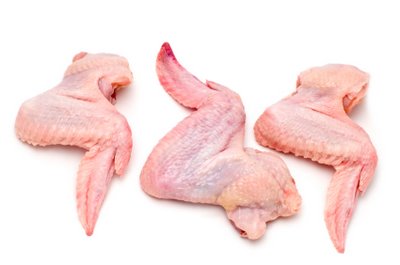
Well, with Declan I first noticed that she was favoring eating her chicken wings on the left side of her mouth. I thought it somewhat odd but decided just to watch her for a day or so as I checked her lower jaw but did not notice anything. Then this favoring advanced to her eating her wings much more slowly which was definitely out of the ordinary as she was a voracious eater. Within two days, Declan began to go down fast developing a fever of 103.9. I made an emergency appointment with our soft tissue veterinarian surgeon and was fully prepared to have her anesthetized for a thorough mouth exploration.....
It was great sadness that we had to bid farewell to our glorious Declan at nine years eight months of age. I was so looking forward to having four ten-year-old wolfhounds in my home, but alas, it was not meant to be. It came as even more of a surprise as Declan had always been extremely healthy and she would have been the last wolfhound I would have expected to leave us.

Ballyhara Declan
Declan was euthanized due to advanced nasosinal cancer. This disease was a first for me in my nearly 35 years of immersion in this majestic breed. In the end, she was glad to go, but she fought like hell to survive in the weeks leading up to her passing.
I have always stressed to anyone who would and will listen that the Irish Wolfhound breed is too damn stoic. Far too stoic and, in my opinion, this stoicism jeopardizes their lives. In this particular case, though, there was not much else we could have done, and I did all that I could do. In other situations not involving terminal illnesses, the only way to combat this stoicism is increasing our vigilance for even the smallest change in behavior. In doing so, we may head off a quickly downward spiraling illness that could take the life of our beloved companion.
Declan's Nasosinal Cancer.
Well, with Declan I first noticed that she was favoring eating her chicken wings on the left side of her mouth. I thought it somewhat odd but decided just to watch her for a day or so as I checked her lower jaw but did not notice anything. Then this favoring advanced to her eating her wings much more slowly which was definitely out of the ordinary as she was a voracious eater. Within two days, Declan began to go down fast developing a fever of 103.9. I made an emergency appointment with our soft tissue veterinarian surgeon and was fully prepared to have her anesthetized for a thorough mouth exploration. However, when we arrived our veterinarian examined her lower mandible and molars (Declan was very stubborn about having her mouth opened wide, and now we understand why) and noted her gums were bleeding. His immediate thought was that she had inflammation of the gums due to an infection which most likely was the cause of her fever. As such, he prescribed Cephalexin which has always been an excellent antibiotic, and I have had excellent results using it.
While on the Cephalexin, she did not improve and was eating very poorly plus she now had blood seeping from her mouth. We returned to our veterinarian immediately in which this time she was anesthetized so we could ascertain the cause of the problem. Once on the table, my vet rushed back to inform me that Declan had a large hole in the hard palate of her mouth near the upper right molars, and moreover, the four rear molars were so loose that one could move them with a finger. I hurried to witness the damage myself and was utterly aghast. How could this wolfhound even attempt to eat with such an open wound in her mouth? How was it she was walking around for that matter? I was stunned at the sheer stoicism of this noble animal in front of me lying on a surgical table. Of course, the only thing to do at this point is to repair the hole, but we could not close it entirely due to the massive infection, and therefore, a small section was left open for it to drain. Also, the four upper molars were removed, and a biopsy was performed including margins around the dead tissue. While we waited for her to become conscious, my veterinarian and I discussed the possible causes of this hole.
We discussed cancer as a definite possibility, but because of the proximity of the hole right next to the upper molars, it appeared that it most likely was caused by a bone. More specifically, a beef neck bone as the shape of a beef neck bone could allow for impairment in this unusual location. It was odd that the hole was not in the center of the hard palate or nearer the front of the upper jaw. My veterinarian has seen both bone injuries in other patients as well as nasal carcinoma, and it was his opinion that this case appeared to align itself more towards damage from a bone.
At this time we should have performed Nasal Radiography, but we did not as my vet believed that the results would be obscure due to the complexity of the anatomy of the skull and nasofacial areas. These include the sinuses, mandible, cavities, dental arcades, and subsequent shadows, lines, and ossifications. Looking back, I should have insisted so that I could have saved Declan from further suffering. However, at this time, the information presented to me supported the notion that this was a recoverable illness and I have regularly gone to heroic efforts to give my Irish Wolfhounds every opportunity and a chance at life, even when diagnosed with a mostly terminal diagnosis, excluding amputation and radiation therapy.
We then initiated a more aggressive antibiotic protocol of Baytril and Clavamox for 14 days. Amazingly, Declan's appetite improved the same day of surgery and later that evening while home she had a very healthy dinner. But, that did not last. What followed were strange breathing and coughing noises that sounded to me as if she had aspiration pneumonia. Accompanying this were sneezing and mucus discharge from her right nasal cavity. Despite that Declan was scheduled to undergo anesthesia to close the small gap previously left open for drainage seven days after the initial surgery, we were concerned and brought her back four days later for a re-check. Our veterinarian saw healthy, pink tissue surrounding the small opening left open for drainage. This evaluation was both positive and uplifting, and we thought that if I could eliminate the harsh breathing or what I believed to be a respiratory infection, then she would recover fully. The biopsy came back indicating extreme inflammation but could not rule out carcinoma. Seven days after the first surgery, Declan was again anesthetized, and the remaining opening closed.
As we finished her second drug protocol, this harsh, noisy breathing did not dissipate. The green mucus was appearing out of both nasal cavities now, and her right eye was weeping. Parenthetically, during my research, I discovered that this harsh breathing is a common symptom of nasosinal cancer technically called stertorous breathing. Still believing that we were dealing with a massive nasal infection and aspiration pneumonia as both illnesses have very similar symptoms, I investigated other drug protocols. I immediately thought of utilizing Rocephin. However, it presented too many challenges for obtaining it. I came upon a new 2017 Journal of Veterinary Internal Medicine titled "Antimicrobial use Guidelines for Treatment of Respiratory Tract Disease in Dogs and Cats," in which the scientists recommended treating Pneumonia with or without sepsis with Ciprofloxacin and Clindamycin. We began a new antibiotic protocol, but despite the new drugs, the green mucus now contained blood.
Declan did not improve, and we once again returned to the veterinarian's office and performed digital radiography on her lungs and throat and discovered an area tucked up in the left lobe of her lung that was implicative of infection. There were no tumors present in her lungs, and her throat radiography did not reveal any abnormalities. I decided that no more oral antibiotics were going to be administered and we used, as a last-ditch effort, an injectable medicine "Convenia" that lasts for 14 days. It is an antimicrobial drug indicated for the treatment of infections caused by susceptible strains of Staphylococcus intermedius and Streptococcus canis. Our consulting veterinarian specialists concurred, however, my hope had faded at this point as we were able to pry open her mouth to find a small hole that had reappeared.
It was now clear that it was a neoplasm and Declan was suffering. Shortly after she was euthanized at home and immediately after my veterinarian and I opened her mouth wide to observe that the one small hole had developed into at least two to three large holes in the hard palate of her mandible. After her death, I made some promises to myself. Although conservative actions are appropriate in many cases while dealing with diagnoses in Irish Wolfhounds, I regret not being persistent on obtaining a nasal radiography that may have revealed the tumor whether it was in her frontal sinuses or nasal cavity. If I had done so, I would not have allowed this magnificent creature to endure on the antibiotics regiments.
In closing, I firmly believe Declan's cancer could or would have presented itself with even more severe symptoms such as facial abnormalities or significant distant spread (metastasizing) if it were not for the Systemic Enzyme protocol she and all my wolfhounds receive, on a daily basis. I have been a proponent of regular systemic enzyme consumption for combating inflammation, regardless if it were from arthritis, cancer, injury, panosteitis, skin & coat conditions, autoimmune diseases, and age. Systemic enzymes such as Vitacost.com Flavenzyme or Garden of Life Wobenzyme are two of the best brands available (See Below). Most importantly, these are given on an empty stomach at least 1 hour before food.
Consider even more benefits of systemic enzymes, as I quote Mary Straus of The Whole Dog Journal July 2012 Issue,
"Studies in the U.S. are limited, but systemic enzyme therapy has been studied and used in Germany for decades. For example, a 2008 German review (http://www.ncbi.nlm.nih.gov/pubmed/19116226) of “rigorous clinical studies” published in the journal Integrative Cancer Therapies found that “systemic enzyme therapy significantly decreased tumor-induced and therapy-induced side effects and complaints such as nausea, gastrointestinal complaints, fatigue, weight loss, and restlessness and obviously stabilized the quality of life. For plasmacytoma patients, complementary systemic enzyme therapy was shown to increase the response rates, the duration of remissions, and the overall survival times.”


Split Tails
A common search phrase on my website is happy or wagging tail injury. A frequently seen injury in Irish Wolfhounds, we refer to it as split tails and the injury can be very problematic to care for until it heals completely. I have this information on my Health page website, however, here it is as a convenience for those who are reading my Blog.........
A common search phrase on my website is happy or wagging tail injury. A frequently seen injury in Irish Wolfhounds, we refer to it as split tails and the injury can be very problematic to care for until it heals completely. I have this information on my Health page website, however, here it is as a convenience for those who are reading my Blog.
Trauma:
A common problem in the wolfhound breed is tail damage. Typically, tail damage occurs when the hound swings the appendage too hard severely bruising and even splitting the tail open. For those experienced with wolfhound "split tails," it often can be a nightmare. It looks like a murderous crime scene as the blood is flung near and far over furniture, ceiling, walls, drapery and the like. The excited hound gets even more excited as one or more owners are trying to grab the tail and the hound at the same time to place bandaging on it to stop the bloodletting!
New owners are shocked but stay calm as there are some solutions, but they are going to require effort and diligence. First, a bleeding tail is a challenging area to keep bandaged and especially hard to heal thoroughly so that the affected portion does not open up again in another future incident, which by the way, I guarantee will happen again if not completely healed the first time. Unfortunately, as often is the case, split tail injuries on a happy, excited wolfhound do not always heal without another incident taking place. If you have bred Irish Wolfhounds long enough, then you have or had, at least once, a wolfhound with a split tail.
Again, you must understand and be prepared for the fact that a lower tail injury is a hard place to heal, and, therefore, the area will remain susceptible to further insult and injury. Scar tissue must develop over the injured area before you can ever claim victory. It can take as long as two to three weeks for the damaged tail to heal ONLY if properly cared for, and only if it does NOT receive further and ongoing damage. If the location is repeatedly damaged, then the last resort is to amputate the portion of the affected tail.
What To Do:
To begin; DO NOT wait to treat the wound as this will be your biggest mistake. Skin infections and self-mutilation will usually always occur because more often than not the dog will begin to lick and chew on it as it can be painful or itchy. This will lead to infection.
There are some "homemade" solutions out there on the Internet, and it can be a trial and error process depending on the personality and behavior of your Wolfhound. Foremost, bandaging the tail can be very tricky, and you need the correct items plus an owner must be cautious not to wrap too tightly thereby cutting off the blood supply. Bandages need to be frequently changed to prevent infection. Other variables include:
1-Will your hound leave the bandage and splint on without chewing it off?
2-The hound allows the bandage to remain, but he still wags his tail so hard that despite being cushioned and wrapped; it bleeds inside the wrapping. Subsequently, if the dressing is not changed daily, the wound will remain wet and become infected!
3-Thus, the other dilemma is how do you keep the tail wrapped? But in many cases it must also be secured somehow to the body so that it is not freely hitting objects and furniture when the dog wags their tail again yet allows the dog to raise it to defecate.
First things first:
Medical Care & Bandaging. There are so many different products on the market to promote healing of a chronic hemorrhaging tail wound but there seems to be a consensus for the basics. To start, most agree that a wound cleanser such as SAF-Clens® AF Dermal Wound Cleanser be used first and/or a Hydrogel dressing, such as Hollister Restore Hydrogel, be applied before using sterile primary bandages. SEE BELOW for the links are included to the products within this article.
Remedies:
One novel approach to resolving split tails is called Dog Ends created by a company called Bonovate. Sold by Jorgensen Labs here in the U.S., it is a new approach to solving the age-old dilemma of how to get the tail to heal with fresh air circulation but protecting the delicate area so that it is not opened up again. Check out the photo of the product below. Dog Ends dressing are open-mesh construction that allows for protection of the area while permitting fresh air to heal the wound but redirecting impact from the injury. In the beginning, the tail may be very painful and inflamed and the dog may cry out if you try to wrap it so you should speak with your veterinarian to possibly have a course of antibiotics and a pain reliever subscribed for the dog. Then the area needs to be wrapped.
Review the sites that I provide here such as Vetruus.com and the two videos provided by Jorgensen Labs. If you choose this therapy READ THOROUGHLY and follow directions! Remember, bandages need to be changed regularly. This interesting solution is recommended in conjunction with a collar that does not allow the dog to turn and chew at the tail and rip off the netting. Collars such as the one included below, KONG Cloud E-Collar, are good alternatives for preventive use.
An old idea that I used several times in the past were Duct Tape and Tube Pipe Insulation, a dense but soft foam used for insulating pipes (see below for a link.) First, the wound should not be wet before wrapping. After applying a Hydrogel dressing, I cover with a primary dressing being 4-inch Gauze bandage product called Elastikon wrap which is ideal for hard to bandage areas. Once the wound is protected, then I place the appropriately sized diameter Tube Pipe Insulation (it already is split to wrap around a pipe) around the wounded section on the tail and bind it to the tail (which is fully covered with hair) with Duct Tape which is taped over an area covered with Vet Wrap. See below for link to Vet Wrap. This is to prevent the Duct tape from tearing out all the dogs hair on the tail each time you remove the pipe insulation to change the bandages (daily.) The Duct Tape is wrapped onto Vet Wrap which covers the hair and bony tail both above and below the wound. The downside is that the foam pipe fitting, though soft and protective, does not permit air circulation which I worry about and so one must be diligent and vigilant about changing the bandages and, yes, constantly smelling the wound to make certain it is not becoming infected.
But, how do you prevent the dog from wagging the tail so that the pipe fitting does not sail across the room? Well, I came across an interesting medical device that may present itself as a possible solution for tail injuries. The product is not designed for a tail but looking at it more closely I believe it might work. It is called a Rear Leg Hobble System manufactured by DogLegges. I use this company for medical boots on foot wounds (see my Blog Post "Dog Foot Pad Injuries" and, if necessary, elbow hygromas (see my Health Page Other Common Disorders or Ailments.) The rear leg hobble system appears as if the one end of the hobbler could be connected to the tail above the wounded region and the other end hobbled above the hock as the hobble strap length is adjustable. The product illustrates the use for hobbling a Poodle with a short tail, however, this product is custom made to the specific size of the dog. Wolfhounds have long tails, so, it may work but you would need to speak directly with the company. Notably though, if you use the hobble system as a tool to connect the tail to the upper leg then most likely you do not have to use the tube pipe insulation over the bandaged wound. If you have questions feel free to reach out to me.
One other idea set forth by a member of the Irish Wolfhound Club of America is included on the IWCA website with a link called Tail Sling. It is a simplistic approach so check it out but I do worry about a lack of air circulation around the wound as it depicts the wound completely covered in the sweatpants.
If you haven't done so, please read the Vetruus website on the split tail as it provides interesting insight on a dog who recovered beautifully after using the Dog Ends devices.


Dogs Dead or Injured at Big Box Store PetSmart Groomers
Tragically, there has been a spate of dog deaths at the "Big Box" store PetSmart in their grooming departments. As was reported in New Jersey as well as another incident in Pennsylvania three dogs are now dead along with another who suffered back injuries......
Tragically, there has been several dog deaths, and injury at the "Big Box" store grooming departments at PetSmart. As was reported, in New Jersey as well as another incident in Pennsylvania three dogs are now dead along with another who suffered back injuries. At the Flemington, New Jersey store alone the NY Post reported An investigation by the outlet found that over an eight-day period between Dec. 22 and 29, at least two dogs died and a third suffered a back injury at the store. Moreover, one of these casualties was there just ONE-HOUR before he ended up dead. At the Dickson City, Pennsylvania PetSmart, a Bichon Frise was killed by a so-labeled Pit Bull. These are incidents that we know of which have been reported to the media. Were there other previous incidents that were not reported to the media by inconsolable pet owners perhaps because they felt guilty and blamed themselves for putting their dog in that position or others who could not bring themselves to talk about it?
It is tragic that these incidents have occurred and that the families are heartbroken, as I would be devastated likewise.
Everyone listen, the reality is that nearly all of these PetSmart employees are NOT highly experienced, qualified animal handlers and groomers. Many are merely part-time employees paid an average of $9.97 per hour with an average annual salary of nearly $24,000!! The company website brags that they will have groomed 13 million pets in 2017 and boasts that 2500 pet stylists graduate from their Grooming Academy annually. An Academy, from what I have been able to discover according to online forums and students who have been through the program, where "stylists" are trained at a store location by a Salon Supervisor instructing not just supposedly ten or more students primarily learning "shave downs" mostly but simultaneously managing their current staff. This is not what I would consider comprehensive tutelage. Any Reader can go online and browse the real-time experiences of students who signed up for the company's so-called training. Yes, I am sure some talented, caring individuals pursuing a career in grooming had attended the PetSmart "get-em in and get-em out" program" and who went on to have a dedicated career with a loyal clientele outside the big box store. That, however, might be a significantly small minority. Qualified, caring, talented groomers more often have been trained at the preeminent grooming institutes such as The Nash Academy.
If a pet owner is going to consider bringing their beloved companion to a groomer at ANY facility, then do your homework FIRST. I do not care if it is a groomer working out of their basement, a salon or at box stores like PetSmart or PetCo. Investigate! Check online or social media to see if there have been any horror stories or complaints lodged against the groomer(s). Just asking your friends for a reference is NOT good enough simply because they may not YET have had a problem or a bad experience, or if they were even able to recognize abuse. Look around in the shop -- are there numerous dogs waiting to be groomed with only a minimum staff. If so, that is a red flag as the limited staff will not have proper time to give to each dog. Talk to the groomer and/or salon manager first before booking your best friend for an appointment and ask to see their educational qualifications as to where they were trained, make a note of it, leave and then perform your diligence. Look up the training facility and check out what information and feedback there is about it as well as the groomer online BEFORE you schedule any appointment for your dog! You may be very surprised or stunned at the information you find. Note that many states have license requirements which vary for groomers but understand that several states such as New York DOES NOT require a groomer to be licensed. So, any Tom, Dick, or Sally can claim they are a groomer, with barely any experience whatsoever and set up shop with the great potential for injuries, animal abuse and even death to occur.
Incidentally, several years ago I had an out-of-town Irish Wolfhound owner visit us at our home with her Wolfhound. As soon as I laid my eyes on this wolfhound, I became alarmed. Despite having regular appointments at a groomer (the wolfhound was just "groomed" or shall we just say bathed before arriving); the hound's ears had obviously not been cleaned out as they were filled with black wax and debris, as well as his toenails were long and nearly curling over. Let us set aside the fact that the owner bears the brunt of responsibility for these conditions; what so-called groomer would allow a client to leave their shop without tending to the basics grooming tenets? Suffice to say that the owner agreed NEVER to patronize that so-called groomer again.
I know the grooming industry very well as I trained at the Nash Academy's New Jersey location on or around 1989, in courses that took many, many months before we were qualified to graduate. We were trained in every aspect of the industry with a rigorous curriculum and the principles of dog grooming aesthetics. We were required to learn the basics of every AKC breed's background and honor that breed with its' conformation show trim -- NOT "shave downs." We specialized in all aspects of the aesthetics of grooming. Scissoring is an art that only a small number of groomer artists master and it was one of my specialties. It was an excellent school and educational experience with practically every type of breed to work on in our repeat clientele list. I took that training and opened a successful grooming salon which I eventually sold.
My training thoroughly and thoughtfully educated me on how to handle difficult dogs, besides other fundamentals. Rules such as NEVER leave a dog on the grooming table, not even to quickly turn around to grab something unless you always have one hand on the dog for control otherwise a dog can and will jump causing serious injuries. Alternatively, if they are in a grooming noose, they may choke or injure their trachea. Another essential safety policy was never to leave dogs unattended in a cage with a dryer blowing extreme heat on them which can and will induce heat stroke and likely death, especially for brachiocephalic breeds. These are just two primary rules that are broken DAILY in every dog grooming facility in America today.
I do not know as to the exact cause of death of those two unfortunate dogs nor the one that suffered a back injury at the PetSmart in Flemington, New Jersey, but I certainly have my highly considered opinion as to what may have happened to all three of them.
What is most intolerable is the company's statement in which it is clear that PetSmart's ultimate outcome is not to admit fault or liability. Never mind that one of the deceased dogs was dropped off and left at a veterinary office by an employee of PetSmart.
The summary of this matter is people MUST investigate a groomer's credentials as I discussed above or consider taking the time to bathe your beloved companion yourself. Learn how to do it properly, especially making absolutely certain all shampoo is completely washed out, and try it out. It is not difficult to do; you can purchase the canine shampoo, and dry your pet with your very own hairdryer. Make it a standing policy to brush those dogs with high coat maintenance on a daily or weekly schedule so as not to allow mats and tangles to occur. As for the details such as nails and ears, if you cannot do these yourself then make an appointment with your veterinarian to clip nails and clean ears on a routine basis. Take great care and try to choose a groomer who will allow you to wait in a lounge area that will enable you to see (at a distance of course) your dog being bathed and dried. Frankly, that is the only acceptable way that I feel most people should ever consider using a facility. Lastly, giant breed Irish Wolfhounds and Scottish Deerhounds as well as your other unique sighthound temperament breeds are NOT candidates for grooming salons!
Facts About Caloric Density and Carbohydrates vs Protein Levels in Giant Breed Puppy Food
The topic of protein levels in giant breed puppy food is one that I have meant to discuss. First off, it is a myth that high protein levels cause damage to the long bones of a growing, giant breed puppy. Most people who feed commercially prepared dry dog food are misguided by this urban tale.....
Recently, I received a call from a new Wolfhound puppy owner who was seeking advice. During the conversation, the gentleman expressed his concern about protein levels in dog food. He informed me that he purchased a premium bag of dog food with a low protein level of 22%, as he was told that high levels of protein are not recommended for giant breed puppies as it can cause damage to their growing bones.
The topic of protein levels in giant breed puppy food is one that I have meant to discuss. First off, it is a myth that high protein levels cause damage to the long bones of a growing, giant breed puppy. Most people who feed commercially prepared dry dog food are misguided by this urban tale.
Instead, what should be one of the most pressing and harmful issues occupying people's minds about commercially prepared dog food designed for giant breed puppies is not protein BUT caloric density and the sources from which these calories are derived. As well as the high-density percentages of carbohydrates. In contrast, those who are entirely unperturbed about protein levels are those people who "Naturally Rear," as I do, where the protein sources are fresh, raw meat or poultry, fish, along with oats, yogurt, vegetables and so on.
Due to space limitations, I can only provide a review on this mainstream misconception as it could fill pages and pages. So, here goes.

Rapid growth stresses developing bones and joints. What can cause rapid growth is feeding a calorically dense and high carbohydrate diet which will make a pup grow too quickly; faster than their developing long bones and articulating joints can accommodate and will result in skeletal abnormalities.
Typically, as a pup evolves the bones and muscles should mature together in harmony, but bones that grow much too fast will be less dense and weaker than ones growing at a more appropriate rate. Weaker bones, in turn, creates issues for giant breeds who carry more weight in which such pup(s) will experience the causal factors of artificial nutrition.
What about protein? Protein is a source of energy. A point of fact is that growing puppies require more protein than an adult dog which contradicts the urban tale. Proteins are essential for building blocks of all tissues and organs, to include tendons, ligaments, cartilage, and muscle contraction. Yes, too much protein can be detrimental to healthy growth due to an imbalance of calcium and phosphorus which affects the long bones and joints. However, this is not always the culprit in commercially prepared puppy food. Why? Read on as down below I reveal some compelling relatively unknown information about the actual amounts of protein in such foods and their sources. What are the primary culprits in puppy as well adult dog food?
Most commercial dry dog foods contain at least 50% carbohydrates and sometimes more than 15% crude fiber. Let me quickly address crude fiber as this amount is at least three times the recommended amount according to the Mark Morris Institute who publishes the Small Animal Clinical Nutrition, 5th Edition on commercial pet foods. This book further reports that in excess, crude fiber reduces the energy and nutrients in the food whereas the dog has difficulty eating enough food to satisfy his nutritional needs. In other words, dogs consuming much of today's inferior, low digestibility commercial foods will devour large quantities of food, but the high amount of fiber within the diet can decrease mineral absorption. Thus, it does not matter how much the dog eats; he cannot absorb the necessary minerals because there is too much fiber.
Carbohydrates. Many commercial brand dog foods have high caloric density derived not just from fat but carbs. The principal function of carbohydrates is to provide structural integrity as they work as a binder holding the ground meal in shape. I already stated that most all dog foods are at least 50% carbohydrates, and it would be unusual for a dry pet food to be formulated with fewer than 40% carbohydrates because of the minimum requirement for extrusion or shaping through a die, as told by the Small Animal Clinical Nutrition, 5th Edition.
Incidentally, canines do not have the same enzymes as humans so they can only process carbohydrates very, very slowly. Importantly, the abundance of carbohydrates (sugars and starches) contained in commercial dog foods is a significant factor in canine dental disease and tartar build-up. Moreover, dental disease and heart disease can go hand in hand.
Here are some examples of carbohydrate concentrations commonly found in commercial dog food:
Rice Flour 90%
Rice 90%
Corn Flour 85%
Corn Starch 88%
Corn 81%
Grain Sorghum 80%
Wheat Flour 82%
Wheat 78%

Calories and fat. Both of these can present a bit of a dilemma for some companies. Typically, to dilute the number of calories in commercially prepared dog food, the manufacturer adds increased fiber, insoluble fiber such as cellulose and peanut hulls, to the processing. However, because crude fiber behaves as an anticaking agent, it simultaneously causes high friction during the extrusion or shaping process. So, the manufacturer has to add fat back into the ingredients so the mixture, commonly known as slurry, can be processed more efficiently. While adding fat back in sometimes can neutralize or minimize the fiber's primary purpose of reducing calories. According to Small Animal Clinical Nutrition, 5th Edition; "Fats contribute calories at 2.25 times the rate of carbohydrates or proteins, and the use of fat ingredients is the most efficient method of increasing the energy density of food to limit a pet’s consumption of other nutrients."
Back to the question of protein. There is an even lesser known truth about the actual amount of meat as listed on the dog food's label.
Again citing the Small Animal Nutrition 5th Edition, the United States has labeling regulations that stipulate ingredients must be listed in order of weight predominance. Of course, wet meat weighs more than dry meat, so, manufacturers use the wet weight of the meat or poultry that elevates or places the protein within the label's top three ingredients. They do so by incorporating fresh or frozen meat/poultry into the dry extruded dog food using a slurry composed of animal tissues, fat, and water, which is grounded and mixed in a separate tank. The water in the meat (60 to 70%), however, must first be dried off to make a dry product. Consequently, the actual amount of meat or poultry ingredients would be listed much farther down on the label if it were added as a dry meat meal.
Be aware that manufacturer claims that the "meat based" dog food has a high-meat content is not always accurate. Also, dog food ingredient labels list other sources that protein may also be derived from such as dried egg, rice gluten, corn gluten, and soybean meal.
The long and short of it is that densely packed carbohydrates in complete dog food along with high fats increase the caloric density, and this should be the worrisome factor that can cause health problems in growing giant breed puppies. All of this is not to say that an owner who feeds only meat and bone without other essential ingredients that provide nitrogen, minerals, calcium, phosphorus, and so on is doing the right thing. I utilize oats in my hound's diets along with all the other key components of "Natural Rearing" for a balance of nutrition. Nonetheless, I can assure you that my giant breed pups consume much higher amounts of protein than any bag of manufactured puppy food, but they do so in the fresh, raw variety. Never a slurry of animal tissues, fat, and water.







Reposting & Revised Vitamin Supplement Warnings: Look at the Ingredients!
UPDATED & REVISED EDITION: Many Readers visit my Nutrition page of my Ballyhara website and review my Natural Rearing methods. The diet information I share is provided as a summary of my practices and this includes Vitamin supplements. Three particular vitamins that I discuss on my Nutrition page are Vitamins C, A & E and Readers should note that all Vitamins are NOT the same....

Many Readers visit my Nutrition page of my Ballyhara website and review my Natural Rearing methods. The diet information I share is provided as a summary of my practices and this includes Vitamin supplements. Several vitamins that I discuss on my Nutrition page are Vitamins C, A & E and Readers should note that all Vitamins are NOT the same.
VITAMIN E
To begin, Vitamin E, can cause much consternation. I caution Readers to use only Natural Vitamin E written as d-alpha tocopherol and NOT the synthetic chemical version deceptively written as dl--alpha tocopherol. These two similar acetates are very confusing and even I sometimes have to catch myself and remember which is the natural and what is synthetic. It does matter because there are studies which show that, in the case of Vitamin E, the natural state is much more effective than the synthetic acetate for absorption. As an alternative, you can use unrefined Wheat Germ oil for your dog purchased at a natural foods purveyor. Buy it as capsules so that it does not go rancid in the liquid form. Note: Wheat Germ oil is excellent for Stud dogs.
When checking vitamin labels, The Life Extension Magazine states "that natural vitamin E is usually stated as the “d” form or RRR- [for example d-alpha tocopheryl acetate or RRR-alpha-tocopheryl acetate, d-alpha tocopherol, and d-alpha tocopheryl succinate]. Synthetic vitamin E will have an “l” after the “d” or all-rac- [for example, dl-alpha tocopheryl acetate or all-rac-alpha-tocopheryl acetate, dl-alpha tocopheryl succinate, and dl-alpha tocopherol]. Remember – “dl” or “all rac-” signifies synthetic vitamin E, whereas “d” or “RRR-” signifies natural vitamin E. If you are getting 400 IU of natural d-alpha tocopherol (d-alpha tocopheryl succinate or acetate), it is equal to about 800 IU of synthetic dl-tocopherol (dl-alpha tocopheryl succinate or acetate)."
VITAMIN A

As for another important variation in Vitamins we look to Vitamin A. Here is a significant and very concerning contrast between sources. The refined or synthetic version of Vitamin A is written as Vitamin A (as retinyl palmitate). It is particularly valuable to know of the Environmental Working Group, a very well-known watchdog group, who provides a searchable chemical and ingredient database. In fact, they state that RETINYL PALMITATE (VITAMIN A PALMITATE) scored a 9 on the High Hazard Level with an Overall Hazard of nearly 10 for health concerns of this synthetic ingredient. One or more animal studies show tumor formation at very low doses and one or more In vitro tests on mammalian cells showed positive mutation results.
Instead, look on the labels for Vitamin A (from Fish Liver Oil) to give to your dog and yourself.
Read more about the Retinyl Palmitate (synthetic version) ingredient's other HIGH concerns: EWG.org states that "Biochemical or cellular level changes; Other LOW concerns: Data gaps, Ecotoxicology, Organ system toxicity (non reproductive). About RETINYL PALMITATE (VITAMIN A PALMITATE): Retinyl palmitate is an ingredient composed of palmitic acid and retinol (Vitamin A). Data from an FDA study indicate that retinyl palmitate, when applied to the skin in the presence of sunlight, may speed the development of skin tumors and lesions."
VITAMIN C
One last but important consideration is Vitamin C. There are several varieties of Vitamin C that you need to know about, such as Calcium Ascorbate, Ascorbic Acid, Ester-C, and Sodium Ascorbate.
But,most importantly,you should be aware that according to numerous investigative resources, 90% of the world's Vitamin C supply is made in China.

I prefer Vitamin C that is not processed or manufactured in China. For this reason, I highly recommend The Wholistic Pet Organics, who offers not just Ester-C but also MSM, Kelp, Green Lipped Mussels and many other supplemental additives for your hounds, horses, felines and dogs.
Why Ester-C? Many veteran breeders use Ester C as the most favored form of vitamin C as it is non-acidic and is gentle on the stomach. Many health practitioners believe that Calcium Ascorbate (Ester-C) provides the best results relieving arthritic symptoms and for stress reduction.
ESTER C's absorption rate and effectiveness information is provided by The Wholistic Pet Organics Company that states, "Ester-C® patented form of Vitamin C is “body-ready” and found to be four times more readily available to body tissue than basic Vitamin C." Another source, Scientific Bio-Logics, reveals also that Ester-C has four times the bioavailability of regular vitamin C.
Ester-C is costly though and great for singleton or just a few dog households but for those supplementing numerous hounds you can consider an additional dual "best" option being Sodium Ascorbate. When given in low doses it is easily absorbed, pH-neutral and stays in the system twice as long as Ascorbic Acid. Sodium Ascorbate is a non-bitter, non-acidic, buffered form of Vitamin C in a highly soluble form and is sold as a powdered form or as a tablet.
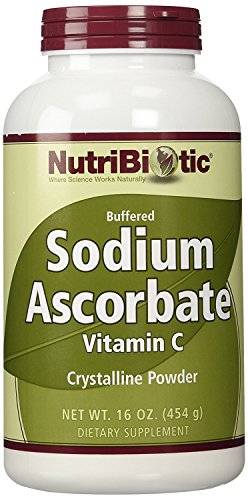
Last but not least, the most common source of Vitamin C is Ascorbic Acid, the only naturally occurring vitamin C. Note, however, that in high doses it can cause diarrhea, and, some experts believe it is not efficiently absorbed. However, when given in smaller doses over the course of a day, I have not experienced the typical effects of overdosing which is diarrhea. I supplement 140 through 178 pound wolfhounds, especially the veteran wolfhounds, all each with 3000 mgs daily. Of course, I feed multiple times daily and therefore, I break up the dosage, e.g. 1000 mg in AM and 2000 mg at dinner. Do not give 3000 mgs all at once.
All in all, as I stated health practitioners favor the Calcium Ascorbate (Ester-C) as the most preferable, however, I have a concern with the addition of calcium into a dog's diet who is already being supplemented with bone meal. Calcium Ascorbate in the 1000mg version (one that I favor for convenience) would add 330 mg of calcium to the dog's daily diet if you are supplementing 3,000 mg of Vitamin C daily but without phosphorus. Additional calcium supplementation is not recommended for Irish Wolfhounds and giant breeds consuming commercial foods or Natural Rearing diets supplemented with Bone Meal. Notably, my hounds already derive their calcium needs from raw chicken on the bone as well as calcium carbonate from eggs shells.

I have done further research into alternative options for Chinese-free vitamin c, especially lower cost alternatives. I am using an Ascorbic Acid product that is manufactured in the United Kingdom. It is a GMO-free ultra-fine powder with no other ingredients nor Sorbitol. I'll keep you posted as to the trial results.
Originally, I concluded that in my opinion the Sodium Ascorbate was most likely the best option for our sighthounds if we are concerned about the additional calcium being introduced into the diet. However, I have been unable to find any Chinese-free Sodium Ascorbate. As a result, The Wholistic Pet Organics Ester-C currently is the best option for those individuals who neither have the time or inclination to verify sources of origins of the supplements they purchase. As well as those who are currently feeding a commercial dry dog food as the quality and origins of the supposed calcium found in the manufactured and processed dog food is questionable. Frankly, I would prefer feeding a non-GMO vitamin supplement NOT MADE in CHINA than worry about a small amount of calcium being introduced into my hounds's diet.
Coconut Oil for Veteran Dogs
Coconut oil for our veteran dogs. Yes, many hobbyists are already aware of the enormous advantages of coconut oil for themselves, but it is beneficial for our dogs as well.....

Coconut oil for our veteran dogs. Yes, many hobbyists are already aware of the enormous advantages of coconut oil for themselves, but it is beneficial for our dogs as well.
Recently, as I was making my way through a book authored by Dr. Jean Dodds, DVM, and Diana Laverdure,
I happened upon their suggestion for supplementing dogs with coconut oil, particularly elderly dogs. Espousing its therapeutic qualities, they share its proven ability to improve brain function in older dogs and people. According to their research, coconut's medium chain triglycerides (MCT) readily cross the blood-brain barrier supplying up to 20% of a normal brain's energy requirements. MCT's are also essential for ketone production as an additional source of brain food. One cited study concluded that MCT's improve age-related cognitive decline by providing an alternative source of energy.
Even more, according to Dogs Naturally Magazine, the benefits of coconut are numerous and include those related to aging dogs:
- Eases inflammation and can help with arthritis discomfort
- Promotes good nerve and brain function and prevents dementia
- Contains powerful antibacterial, antiviral, and anti-fungal agents that prevent infection and disease
- May reduce risk of cancer

So, I am now using unrefined or virgin, organic cold-pressed coconut oil as a supplement for my Irish Wolfhound veterans. I have introduced this supplement to my veteran hound's diet by providing about one heaping tablespoon into their dinner and mixing well. Over three weeks I will increase this amount to the suggested daily dosage of 1 teaspoon per 10 pounds of body weight.
For example, my 9.5-year-old Irish Wolfhound male will receive five tablespoons daily!
170 pounds/10 = 17 teaspoons. 17 teaspoons converted into Tablespoons is 17 / 3 tsp per tablespoon = 5.66 Tablespoons.
We are privileged to have four 9.5-year-old veterans here at our home so I will be purchasing quite a bit of Coconut Oil!
New Canine Nutritional Book To Read!
In addition to the books that I already recommend on my website, I had purchased Dr. Jean Dodds co-authored book with Diana Laverdure titled, "Canine Nutrigenomics, The New Science of Feeding Your Dog for Optimum Health." I am making my way through this book and would recommend this as another reference tool that "Natural Rearing" enthusiasts should have on their shelf.....
We all are familiar with Dr. W. Jean Dodds, DVM and her outstanding work in the fields of Canine Vaccines, Thyroid and Rabies diseases. In fact, she is considered one of the world's authorities on these subjects but did you know that her specialties also include Nutrition? Dr. Dodds developed NutriScan, a food sensitivity and intolerance test that has been offered for many years now and is a product that I have highly recommended to several people who have sought my nutritional advice on dogs with diarrhea and Intestinal Bowel Disorders. This valuable tool tests for intolerance's or sensitivities to:

Dodd's Listed Foods NutriScan test for Sensitivities or Intolerances
In addition to the books that I already recommend on my website, I had purchased Dr. Jean Dodds co-authored book with Diana Laverdure titled, "Canine Nutrigenomics, The New Science of Feeding Your Dog for Optimum Health." I am making my way through this book and would recommend this as another reference tool that "Natural Rearing" enthusiasts should have on their shelf.
According to Dodds, "Nutrigenomics" is the scientific field of study being the combination of the words nutrition and genomics and refers to how diets affect epigenome and consequently gene expression, which in turn alters genetic predisposition toward health and disease. Epigenome is primarily a record of DNA and protein chemical changes passed down to offspring, but it is a fascinating field of study as Dodds and Laverdure explain that
"Just as we inherited our genes from our parents, our epigenome also has a cellular memory that can be passed from one generation to the next (University of Utah 2014.) This means that a Mother and Father's lifestyle decisions --including the quality of their diet--will influence the epigenome of their offspring. Unlike the genome, however, we can alter our epigenome over time with new environmental signals, such as optimum nutrition."
Though I am not a research scientist, I think it safe and reasonable to venture that this reasoning could apply to the issue of over-vaccinating our companion animals, prevalent throughout the United States. Notably, the cellular memory or damage thereof within the offspring of over-vaccinated parents and the immediate ancestors in the pedigrees, especially in linebred or other close ancestral breedings. For some years now, I have been working on an individual theory regarding the results of over-vaccination and its relationship to cancer and have always wondered about the possibility of cellular memory. My data gathered is only a small amount, but once I begin to acquire stats from other breeders, it may prove very interesting indeed. In any event, I find the subject of cellular memory exciting and believe it most likely will offer significant revelations in the future.
Another interesting point that Dodds and Laverdure make and one that I have quoted in my earlier Neospora articles is that diagnostic laboratory assays, such as Antech Laboratories, have developed their normal ranges for blood chemistries and complete blood counts based on dogs fed cereal grain foods, especially heavily laden with carbohydrates. But the average ranges for many of these tests do not apply to healthy dogs fed raw diets, and any interpretation of laboratory results for these dogs should take these nutritional differences into account. For example, dogs fed fresh foodstuffs and meat exhibit naturally higher levels, e.g., BUN levels.
Many pet owners who feed raw are unaware of this information, and further, commonly conventional veterinary scientists do not consider this as established science. At the same time, these are the same veterinarians who do not believe there are fluctuations in various breeds' blood chemistries -- their mentality is that a dog is a dog and medical care is the same for all. Read this book to open your mind to nutritional effects on the body!
My Musings on the Irish Wolfhound's Country of Origin Breed Standard Changes
The new Autumn 2017 Harp & Hound magazine published several North American fancier opinions concerning the changes made to the Standard of Excellence set forth by the Irish Wolfhound Club of Ireland and the removal of the List of Points in Order of Merit. There were those in favor and others who were critical of the changes, especially the elimination of the List of Points in Order of Merit. A few advocated their positions by explaining that by giving the full particulars to various aspects of anatomy, these revisions would make it easier for novices and aspiring judges to interpret and understand the breed standard.
I disagree.....
The new Autumn 2017 Harp & Hound magazine published several North American fancier opinions concerning the changes made to the Standard of Excellence set forth by the Irish Wolfhound Club of Ireland and the removal of the List of Points in Order of Merit.
There were those in favor and others who were critical of the changes, especially the elimination of the List of Points in Order of Merit. A few advocated their positions by explaining that by giving the full particulars to various aspects of anatomy, these revisions would make it easier for novices and aspiring judges to interpret and understand the breed standard.
I disagree. Accepting the premise of this argument is akin to dumbing down science and mathematics in our educational systems to make it easier for students and our youth to comprehend and to apply such.
Why is it that in today's society we feel the need to deliberately oversimplify intellectual content within education, literature, and culture for it to relate to those unable to assimilate more sophisticated information?
If such people are incapable of assimilating the information outlined in the original breed standard, then logically these people should be asking themselves if they should be adjudicating dogs in the first place because they lack the inherent knowledge, confidence, and qualifications to do so. Breeding dogs is an art form. It is the process of creativity. Judging the results is an art form. It involves the natural ability to be informed of, absorb and integrate words and expressions that which make up these living, breathing creatures.

Gartha of Ambleside
Moreover, why shouldn’t aspiring judges and fanciers learn the history of our breed, its unique characteristics, and study the blueprint for the architecture of the Irish Wolfhound as it was founded? Our breed ancestors expended blood, sweat, and tears, sacrificing much in desperate times to preserve this exalted hound and to ensure its continuity. Our breed founders did not strive to set forth a list of excellent qualities and merits for this breed with the expectations and anticipation that future fanciers would needlessly decide to revise it in favor of generalizations and expediency for the uninitiated.

Kingsland Song

Our brotherhood requires preserving this noble hound by adhering to our forebearers original Standard of Excellence, and in doing so, we advocate the architectural principle, “Form ever follows function.”
It is my considered opinion that this broadscale "dumbing down" mentality is one of the reasons why we are facing the degeneration of the sport and passion of purebred dogs. It is not a secret that purebred dog registrations have plummeted in the past several decades nor is it a surprise that confirmation dog show entries have markedly decreased. Enthusiasm and passion for purebred dogs have waned, and one only has to look around a show ring, whether it be an all-breed dog show or a specialty event, to observe that the average age of exhibitors is 55 years of age and older, with the preponderance over 65 years. For many, expenses and contributory lifestyle changes have made it either prohibitive or no longer conducive to raising multiple dogs.
Nonetheless, I believe the decay is also due to many long-standing purebred fanciers being profoundly dispirited and dejected over the perceptible diminished intellectual level of most modern fanciers today. They are gravely concerned about the future of the breeds; consequently, many veterans are no longer breeding or have drastically reduced their participation as they no longer are optimistic about the breed's destiny. I have heard this from acclaimed breeders of various breeds of dogs, not just Irish Wolfhounds.
Thus, oversimplifying the Standard of Excellence will in time produce distorted impressions and misunderstandings of a once majestic breed that today already one or more doyenne or doyen hardly recognize. The result of FCI uniformity of breed standards will inevitably lead to dogs of universal traits. Already, generic dogs are seen with regularity today in the show ring, and they are predictable and unoriginal; they lack refinement, distinctions, and subtlety. To have lost an elemental part of the Country of Origin's Standard of Excellence, "The List of Points in Order of Merit" is a cop-out. This list is the one aspect of the breed standard that set the ancient Irish Wolfhound breed apart from many others! It was a valuable feature that furnished the Reader the ability to assess virtues and shortcomings of this greyhound-like sighthound. Now it is gone for the sake of banality.
Here follows the unblemished Standard of Excellence of the Irish Wolfhound Club of Ireland including the List of Points in Order of Merit


The Natural Diet: A Happy Ending for a Very Sick Wolfhound Puppy

I thought I would share this heartwarming story about a wonderful young Wolfhound named Aoife who was very, very ill. Instead of my telling her story, I asked her owner to do so as she imparts the seriousness of the young Lassie's condition. Her owner contacted me for assistance as Aoife's state was grave, and I was happy to help. I am thrilled that Aoife's story has, to date, a good ending and though many times dogs respond in nearly miraculous ways to the Natural Diet, it is necessary to stress that sometimes genetics and autoimmune-mediated diseases can require many more solutions. One such issue that I hear more about is Leaky Gut Syndrome or Intestinal Permeability. Once little-known, it has become more frequent with severe complications and sadly, unhappy endings.

Update and Correction on Breeding & Ethicality
Correction:
First, I am reporting a correction to my recent Breeding & Ethicality Blog Post. Mainly, that one of two wolfhound maiden veteran bitches were bred.
An error happened when the gender of one of these two cases was realized to be that of a dog and not a bitch. The mistake occurred in the case of the reportedly eight-year 11-month-old hound. The inaccuracy transpired when I misinterpreted the hound’s gender due to its ambiguous registered name beginning with what appeared to be a pronoun having a typographical error. Of note, the Secretary of the IWCA whom I initially shared my discovery also had not detected my mistake until eleven days later when she notified me. I am sorry for the error.
Update:
Unsurprisingly, no action will be taken by the BOD regarding the other published Listed Breeder who did breed a maiden, veteran, nearly eight-year-old bitch. The Secretary believes it is plausible that this particular bitch may not quite have been eight-years-of-age at the time of whelping due to their estimation that it may take three to possibly six months for stud (male or female) records to be published. Initially describing such conduct as serious and a risk to the health of the bitch, the Secretary now has stated that the maiden bitch may have been 7.5 years to almost eight years of age (!) and although this still is past the range mentioned in the Standard of Behavior for Breeders, "Breed only those bitches that are in excellent health, generally between the ages of 24 months and 6 years", the IWCA BOD is tolerating such conduct on the pretense that the "Standard of Breeder Behavior provides a general age range and is not an absolute."
The latter in italics and quotes are their words -- not mine. Is anyone reminded of the phrase copping out?

The BOD undermining their very own requisite document to avoid enforcement is not a new twist for many of us. I cannot help but be reminded of the old floor game "Twister -- The Game That Ties You Up in Knots" which required players to twist themselves into tight and uncomfortable positions while whirling the spinner. Seemingly, people are bending themselves into extreme postures to avoid fulfilling administerial duties with the result that now breeding a veteran, maiden Wolfhound bitch not quite eight years of age is considered passable! Despite the fact that according to the IWCA age qualifications, they reached Veteran status at six years of age and in Canada they did so at seven.
After some quick checking, it seems that once a litter is registered with the AKC, it takes approximately two months for the dog to appear in the AKC Stud records. However, again, the timeliness of the published information is wholly dependent on when the breeder submits the paperwork which, depending on the breed, could be between 4 to 12 weeks after a litter was whelped or many months later. In this case, a prospective puppy owner who previously owned an AKC registered wolfhound from this breeder informed me that a puppy or puppies were available from this specific breeding so it is logical to assume the breeders registered the litter as soon as possible in order to receive the individual certificates to sell the puppies as quickly as possible. Most likely there was only a brief amount of lag time between whelping and published records. Nonetheless, whether my estimation is correct, one person innocently asked why the BOD does not monitor the AKC Stud Book for incidents such as this? Ha! Ha!
By the way, it is interesting to note that The Kennel Club of England has breeding restrictions in place regarding the age limit for mating bitches. Their ceiling is eight years at the date of whelping. They, however, may grant opportunities for exceptions provided an application be made before the mating, if the proposed dam has previously whelped at least one other registered litter, and veterinary evidence of the dam's fitness accompanies the application.
More to come I am sure......
Breeding & Ethicality
Ethics in establishing breeding age limits for Irish Wolfhounds. In today's day and age, when does integrity, morality figure into determining if and when a Parent Breed Club, in this case, the Irish Wolfhound Club of America (IWCA) will enforce their own Code of Ethics and Standards of Behavior?....
Ethics in establishing and enforcing breeding age limits for Irish Wolfhounds.
In today's day and age, when does integrity, morality figure into determining if and when a Parent Breed Club, in this case, the Irish Wolfhound Club of America (IWCA) will enforce their own Code of Ethics and Standards of Behavior?
When are a breeder's behavior and conduct considered a violation or egregious enough that a Parent Club Board of Directors will take action to require compliance with the organization's codes? A set of rules, principles, and regulations that are in place to establish a standard that which breeders have an obligation to abide by in order to maintain their participation and connection with the association.
Recently, I have been deeply concerned with conduct that was brought to my attention, accidentally at first and then through investigation. I received an inquiry for a puppy from an individual whose nine-year-old wolfhound had died. This person already had contacted the original breeder of such hound about obtaining another wolfhound, but they became, in their words, very concerned after the conversation and decided to talk with other breeders. Why? The breeder informed them that they bred an eight-year-old veteran wolfhound bitch and a puppy or puppies were available.
After I concluded the interview, I was very disconcerted. I then discovered that these inappropriately named "Breeders" were members of the Irish Wolfhound Club of America and additionally, their kennel and contact information appeared in the IWCA Breeder Referral Directory. A directory that is posted and made available to prospective puppy buyers on the official IWCA Parent Club website despite the fact that inclusion in this Directory is subject to Listed Breeders having signed the IWCA Standard of Behavior for Breeders which details, importantly:
"Breed only those bitches that are in excellent health, generally between the ages of 24 months and 6 years."
I began researching to ascertain if these alleged breeders had been guilty of such transgressions as this before when I discovered even more disturbing information. First, the eight-year-old veteran in question was a MAIDEN bitch (she had not been bred previously, or if she had, her offspring were never registered with the American Kennel Club.)
Unwittingly during my investigation, I uncovered similarly shocking and offensive conduct by two other Irish Wolfhound breeders who also appear on the IWCA Breeder Referral Directory. One of these persons was a former board member of the IWCA Board of Directors, and who currently is a Board officer of two-Parent Club approved regional organizations. Their co-breeder is currently serving on an IWCA Committee, and who also is an officer of an IWCA sanctioned regional club. These individuals co-bred an 8.9-year-old veteran bitch who whelped her litter at 8.11 years of age. Unbelievably, she too was a MAIDEN bitch.
I contacted the IWCA Secretary to report both transgressions. In the end, they responded that a formal complaint must be filed against these individuals. These are actionable offenses, yet, the IWCA Board of Directors, at the time of this writing, is NOT going to uphold the Code of Ethics or Standard of Behavior for Breeders.
I am exceedingly disturbed when considering that the populace is touring our Parent Club website along with the IWCA Breeder Referral Directory in the belief that the IWCA approves those breeders whose names appear on such list. To hell with any legal disclaimer displayed because the IWCA website contradicts itself explicitly by stating that such Listed Breeders have signed the IWCA Standard of Behavior. Ergo and conceivably, there is a derivative approval by the IWCA for those breeders whose names appear as they signed such document mandated by the Parent Club.
But none of this matters to John and Jane Doe who innocently believe that these breeders comply with the policies and beliefs upheld by the Parent organization. We have an absurd paradox here when a prospective puppy buyer who recently lost a nine-year-old male wolfhound knows enough that an eight-year-old veteran Irish Wolfhound bitch should NOT be bred! However, astonishingly, the Parent Breed club who has been bequeathed with the guardianship and preservation of this magnificent breed seemingly endorses such shameful conduct by virtue of nonintervention and inertia?
All conscientious, reputable, experienced breeders of Sighthounds should be quite alarmed, and personally, I know many who would be. The Irish Wolfhound Club of America designates that Veteran Wolfhounds are of the age six years and older. Foreign Irish Wolfhound associations established the Veteran age at seven years and older. As a matter of interest, the Scottish Deerhound Club of America declares that Breeders are expected to breed dogs and bitches that are in good health and of such maturity, though not yet past their prime. An excellent definition of "prime" is a state or time of greatest strength and vigor, yet we all know eight and nearly nine-year-old VETERAN Wolfhound bitches cannot and should never be considered in their prime.
It is an abomination upon this breed that once upon a time this formerly respected parent club once had a process of making limits clear only for these limits to be discarded by an apathetic directorate.